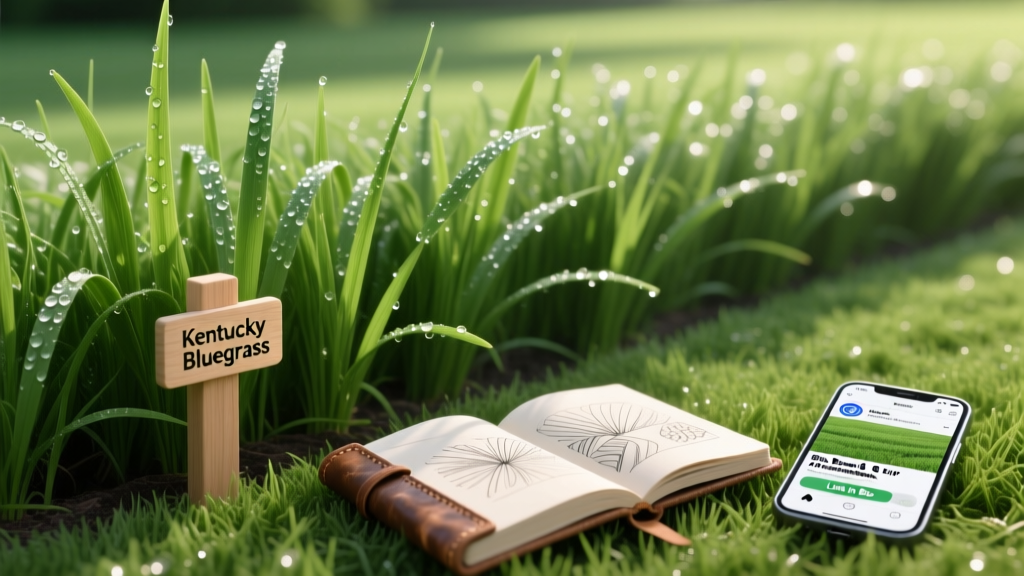
When it comes to undisputed stars in the landscaping and turf world, Kentucky Bluegrass holds the ultimate celebrity status. Known scientifically as Poa pratensis, this cool-season turfgrass has built a massive personal brand centered on lush, dark-green aesthetics, premium lawn care, and high-traffic resilience. But how does this botanical icon present itself to the world? In this comparison and alternatives analysis, we break down the Kentucky Bluegrass bio, its social media dominance among lawnfluencers, and how it stacks up against rival turfgrasses. Whether you are crafting your own yard's identity, managing a commercial landscape, or just love turf branding, this profile reveals what makes this grass a true legend of the lawn.
Quick Facts: The Kentucky Bluegrass Profile
| Attribute | Details |
|---|---|
| Full Name | Poa pratensis (Kentucky Bluegrass) |
| Origin ('Born') | Eurasia / Naturalized in North America |
| Hardiness Zones | USDA Zones 3-9 (Cool-Season Celebrity) |
| Known For | Rhizomatous growth, dark green color, premium lawn aesthetics |
| Social Handles | #KentuckyBluegrass, #LawnCare, #Turfgrass, #LawnStriping |
| Critic Reviews | NTEP (National Turfgrass Evaluation Program) Top Ratings |
Social Media Presence & Brand Identity
If Kentucky Bluegrass were a human influencer, its Instagram grid would be a masterclass in visual consistency. On platforms like TikTok and Instagram, the hashtag #KentuckyBluegrass garners millions of views, primarily driven by 'lawnfluencers' who showcase its ability to hold perfect striping patterns. The visual brand of this turf is the 'emerald carpet'—a dense, fine-textured, deeply colored lawn that signals status, dedication, and premium care.
But what about its actual bio? In the turf industry, a celebrity's bio is printed right on the seed tag. This tag is the ultimate personal branding document, regulated by law to ensure transparency. When analyzing the Kentucky Bluegrass seed tag bio, we look at four critical branding metrics:
- Purity Percentage: This represents authenticity. Top-tier KBG brands boast 99% purity, meaning the brand is exactly who it claims to be without hidden rebranding.
- Germination Rate: This is the engagement metric. A 90% or higher germination rate proves that when this brand shows up, it actively connects and grows its audience.
- Weed Seed %: The drama metric. Premium KBG bios proudly display 0.00% weed seed, ensuring no toxic traits or invasive drama infiltrate the community.
- Inert Matter: The filler content. Low inert matter means the brand is all substance, avoiding the fluff that plagues lesser turf varieties.
Furthermore, Kentucky Bluegrass is famous for its rhizomes—underground stems that spread laterally. In branding terms, this is the ultimate networking strategy. KBG doesn't just stand in one place; it aggressively expands its network, filling in bare spots and healing itself after damage, much like a savvy influencer who pivots and recovers from a PR crisis.
Career Highlights: Top Cultivars & Varieties
Just as an actor has a diverse filmography, Kentucky Bluegrass has a roster of specialized cultivars, each bred for specific 'roles' in the landscape industry. The National Turfgrass Evaluation Program (NTEP) acts as the critic review board, rating these varieties on disease resistance, color, and traffic tolerance.
'Midnight' KBG
The moody, dramatic lead. 'Midnight' is famous for its exceptionally dark, almost blue-green color. It is the go-to variety for high-end commercial properties and golf courses that want a luxurious, velvety aesthetic. It demands high maintenance but delivers Oscar-worthy visual performance.
'Award' KBG
The reliable action star. Bred for aggressive rhizomatous growth and high traffic tolerance, 'Award' is the workhorse of the KBG world. It recovers from wear and tear faster than almost any other variety, making it the top choice for sports fields and active family lawns.
'Kenblue' KBG
The classic veteran. 'Kenblue' is an older, widely adapted variety that may not have the ultra-dark color of modern boutique cultivars, but it possesses unmatched genetic diversity and reliability. It is the character actor of the turf world—always working, always dependable.
Comparison & Alternatives Analysis
While Kentucky Bluegrass is a marquee name, it is not the right fit for every environment. It requires full sun, consistent moisture, and high nitrogen inputs. For those looking to cast a different star in their landscape, here is a comparison of the top turfgrass alternatives.
Alternative 1: Tall Fescue (The Rugged Indie Darling)
The Vibe: Tough, drought-tolerant, and low-maintenance.
Comparison: Unlike the fine-textured, spreading KBG, Tall Fescue is a bunchgrass. It doesn't have rhizomes to self-repair, meaning if it gets damaged, it stays damaged until reseeded. However, its deep root system (reaching up to 3 feet) makes it vastly superior in drought conditions and heat.
Best For: Homeowners in transition zones who want a green lawn but lack the time or water budget for KBG's demanding lifestyle.
Alternative 2: Perennial Ryegrass (The Viral Trendsetter)
The Vibe: Fast-growing, bright green, and highly visible.
Comparison: Perennial Ryegrass is the opening act to KBG's main event. It germinates in as little as 5 days, providing instant gratification. However, it lacks the long-term staying power and underground networking (rhizomes) of Kentucky Bluegrass. It is highly susceptible to summer diseases and heat stress.
Best For: Quick erosion control, overseeding winter lawns, or mixing with KBG to provide a 'nurse crop' while the slower-germinating bluegrass establishes its brand.
Alternative 3: Fine Fescue (The Shade-Loving Niche Creator)
The Vibe: Delicate, shade-tolerant, and eco-friendly.
Comparison: Kentucky Bluegrass famously hates the shade; it will thin out and die without 6-8 hours of direct sunlight. Fine Fescues (like Chewings, Creeping Red, and Hard Fescue) thrive in the shadows where KBG fails. They require very little fertilizer and water. However, they cannot handle foot traffic.
Best For: Wooded lots, low-traffic ornamental areas, and eco-conscious landscapers looking to reduce their carbon and water footprint.
Personal Branding Takeaways for Your Lawn & Profile
What can human personal brands and social media managers learn from the botanical dominance of Kentucky Bluegrass? The parallels between turf management and digital branding are striking.
1. The Power of the 'Seed Tag' Bio: Your Instagram or LinkedIn bio is your seed tag. Just as KBG relies on Purity and Germination rates to prove its worth, your bio must clearly state your authenticity (who you really are) and your value proposition (how you help others grow). Cut the 'inert matter'—remove vague buzzwords and emojis that don't drive engagement.
2. Network Like a Rhizome: Kentucky Bluegrass survives damage by spreading underground to support the whole colony. In personal branding, this means building a deep, resilient network. Don't just rely on surface-level followers; cultivate deep, reciprocal relationships with peers who can help you fill in the gaps when you face burnout or algorithm changes.
3. Know Your Hardiness Zone: KBG fails in the deep south because it is biologically wired for cool seasons. Similarly, trying to force your personal brand into a niche or platform that doesn't align with your natural strengths will lead to dormancy and burnout. Identify your 'zone' and dominate it, rather than competing in an environment where you are biologically disadvantaged.
Sources & Further Reading
To dive deeper into the science and branding of turfgrass, consult these industry-leading resources:
- Purdue University Turfgrass Science Program - Comprehensive guides on cool-season grass management and cultivar selection.
- Penn State Extension - Detailed profiles on Poa pratensis establishment, maintenance, and disease management.
- National Turfgrass Evaluation Program (NTEP) - The official 'critic reviews' and data trials for Kentucky Bluegrass cultivars across North America.