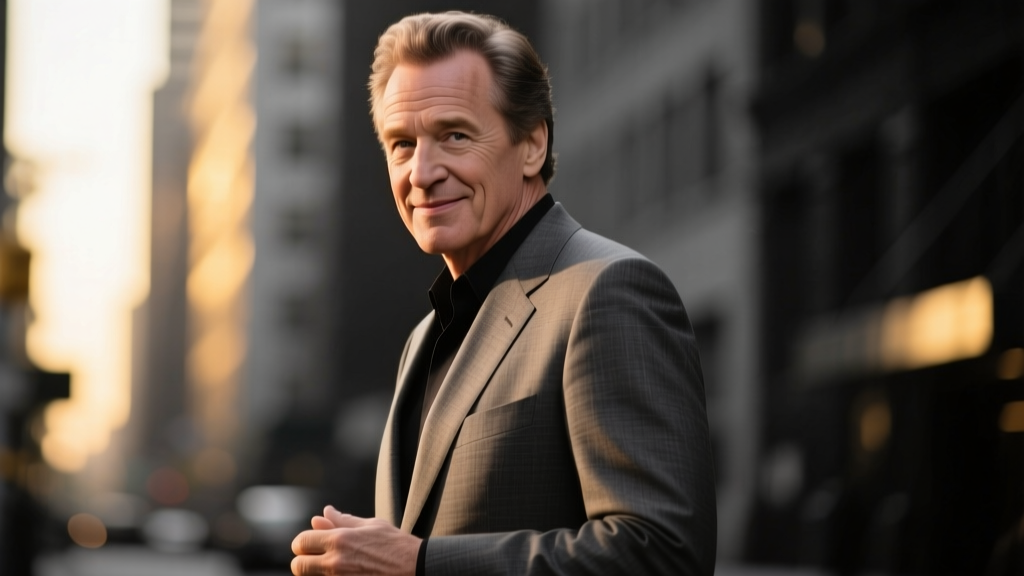
Most modern celebrities treat social media platforms like a mandatory second job, chasing algorithms, viral trends, and parasocial engagement. Kevin Kline, however, treats the digital landscape as if it barely exists. In an era of relentless oversharing, the Oscar and Tony-winning actor offers a masterclass in a counterintuitive personal branding strategy: digital absence. This case study explores how Kevin Kline maintains elite industry status, audience reverence, and a premium brand identity without a single verified social media post. For professionals, actors, and creators looking to elevate their own profiles, the 'Kline Method' proves that sometimes, what you omit from your digital footprint is just as powerful as what you include.
Quick Facts: The Man Behind the Mystique
| Attribute | Details |
|---|---|
| Full Name | Kevin Delaney Kline |
| Born | October 24, 1947 (St. Louis, Missouri) |
| Nationality | American |
| Education | Indiana University, The Juilliard School |
| Known For | A Fish Called Wanda, Dave, Beauty and the Beast, Broadway Theater |
| Major Awards | Academy Award (Best Supporting Actor), 3 Tony Awards, Screen Actors Guild Award |
| Social Media Handles | None (No official, verified public accounts) |
| Brand Representation | Managed via traditional PR, theatrical agents, and studio press junkets |
A Masterclass in Theatrical and Cinematic Range
To understand Kevin Kline's personal brand, one must first understand the foundation of his work. Unlike modern influencers who build a brand on personality first and talent second, Kline built his brand entirely on undeniable, elite-level competence. A graduate of the prestigious Juilliard School, Kline spent his early career mastering the stage. He won Tony Awards for his performances in On the Twentieth Century (1978) and The Pirates of Penzance (1981), establishing himself as a triple-threat in the theater world long before Hollywood came calling.
His transition to film was marked by the breakout ensemble hit The Big Chill (1983), but it was his scene-stealing, Oscar-winning performance as the hilariously dim-witted Otto in A Fish Called Wanda (1988) that cemented his cinematic legacy. Kline's filmography reads like a curated exhibition of versatility: the noble King Arthur in The Pirates of Penzance, the dual-role political comedy of Dave (1993), the voice of the dashing Captain Phoebus in Disney's animated The Hunchback of Notre Dame (1996), and the deeply moving, nuanced father Maurice in Disney's live-action Beauty and the Beast (2017).
Yet, despite his massive mainstream success, Kline continually returned to his roots. His triumphant returns to Broadway and Shakespeare in the Park (including a legendary, critically acclaimed run as Falstaff in Henry IV) reinforced a specific brand identity: he is an actor's actor. He does not chase the spotlight; he chases the craft. This foundational truth is what allows his brand to thrive without digital maintenance.
Kevin Kline Social Media Presence: The Anti-Influencer Strategy
If you search for Kevin Kline on Instagram, X (formerly Twitter), or TikTok, you will not find a blue checkmark. You will not find selfies from his trailer, behind-the-scenes dance challenges, or sponsored posts for wellness teas. Instead, you will find a sprawling ecosystem of fan pages, theater archives, and tribute accounts run by admirers of his work.
This digital absence is not an accident, nor is it a sign of technological illiteracy. It is a highly effective, deliberate branding choice. In marketing, this is known as the Scarcity Principle. When a product—or in this case, a person's access and attention—is limited, its perceived value skyrockets. By refusing to participate in the daily churn of social media, Kline has cultivated an aura of mystique and prestige that is nearly impossible to replicate today.
Consider the modern celebrity press cycle: an actor releases a movie, does a viral TikTok trend, posts a carousel of Instagram photos from the premiere, and then fades into the timeline until the next project. Kline's strategy is starkly different. When Kevin Kline steps onto a stage or appears in a film, the audience's attention is entirely focused on the work, not the celebrity's personal life. His PR team relies on high-caliber interviews with respected publications like The New York Times or Playbill, ensuring that when he does speak, it carries weight and authority. He has successfully separated his private self from his public persona, a boundary that many modern stars desperately struggle to maintain.
Case Study: Why Digital Absence Works for Legacy Brands
From a personal branding perspective, the 'Kline Method' challenges the pervasive myth that you must be 'everywhere, all the time' to remain relevant. Kline's brand is built on Legacy and Trust rather than Virality and Volume.
When an audience buys a ticket to a play starring Kevin Kline, they are operating on a brand promise. They know they are going to receive a masterful, classically trained, deeply committed performance. He doesn't need to remind you of his existence on a Tuesday morning via an Instagram Story because his body of work acts as a permanent, high-value resume. Furthermore, his 2017 Tony-winning run in Present Laughter and his highly praised 2023 off-Broadway performance in The Cottage prove that legacy audiences will seek out quality regardless of algorithmic visibility. He lets his art do the marketing.
Personal Branding Takeaways: Applying the Kline Method to Your Bio
While you may not be an Oscar-winning actor, the principles behind Kevin Kline's digital mystique can be directly applied to your own social media bios, LinkedIn profiles, and personal websites. Here is how you can use selective digital minimalism to elevate your personal brand:
1. The 'Digital Business Card' Approach
If you do not want to post daily content, treat your Instagram or X profile strictly as a digital business card. Use your bio to state exactly who you are, what your core expertise is, and where people can find your best work. A clean, static bio with a high-quality headshot and a single link to your portfolio or Linktree projects immense professionalism. It tells visitors: 'I am here for business, not for chatter.'
2. Cultivate Curated Mystery
Your bio does not need to contain your entire life story, your political affiliations, and your daily mood. Leaving some things unsaid creates intrigue. Use a compelling hook in your bio that invites people to reach out or click your links to learn more. For example, instead of listing every hobby you have, use a title like 'Architect building sustainable spaces | Inquiries via link below.' Let your work speak louder than your personal anecdotes.
3. Quality Over Frequency (The Prestige Pivot)
If you are a consultant, writer, or creative professional, posting low-effort content just to 'beat the algorithm' can actually dilute your brand's perceived value. Take a page from Kline's book: only publish or post when you have something of immense value to share. A single, deeply researched article or a stunning portfolio update once a quarter builds more authority than daily, forgettable status updates.
4. Let Third-Party Validation Do the Heavy Lifting
Kevin Kline doesn't need to tell you he's a great actor; the Academy and the Tony committee have already done it for him. In your own bio, leverage third-party validation. Instead of writing 'I am an amazing graphic designer,' write 'Brand identity designer featured in [Publication] and trusted by [Fortune 500 Company].' Let your credentials and client roster act as your digital megaphone.
Sources & Further Reading
- Internet Broadway Database (IBDB) - Kevin Kline Stage Credits
- IMDb - Kevin Kline Filmography & Awards
- Playbill - Kevin Kline Returns to Broadway in Present Laughter
Looking to craft a bio that commands respect without oversharing? Explore our guides on minimalist bio design and professional branding at lovemebio.com to build a profile that works as hard as you do.