When analyzing personal brands that transcend generations, the Kevin McCallister archetype stands in a league of its own. Originally introduced in 1990, this character isn't just a holiday staple; it represents a masterclass in resourcefulness, memorable catchphrases, and undeniable screen presence. But how does this iconic 90s persona compare to the hyper-curated, algorithm-chasing influencers of today? In this comparison and alternatives analysis, we break down the Kevin McCallister brand, examine how Macaulay Culkin manages this legacy on modern social platforms, and reveal the exact bio strategies you can use to build an unforgettable digital presence.
Quick Facts: The Brand Behind the Character
| Attribute | Details |
|---|---|
| Full Name | Kevin McCallister (Portrayed by Macaulay Culkin) |
| Debut / Born | 1990 (Home Alone Release) |
| Nationality | American (Character) / USA (Actor) |
| Known For | Resourcefulness, Nostalgia, Solo Survival, Holiday Pop Culture |
| Social Handles | @macaulayculkin (Instagram), @BunnyEars (Brand) |
The Kevin McCallister Archetype vs. Modern Influencer Alternatives
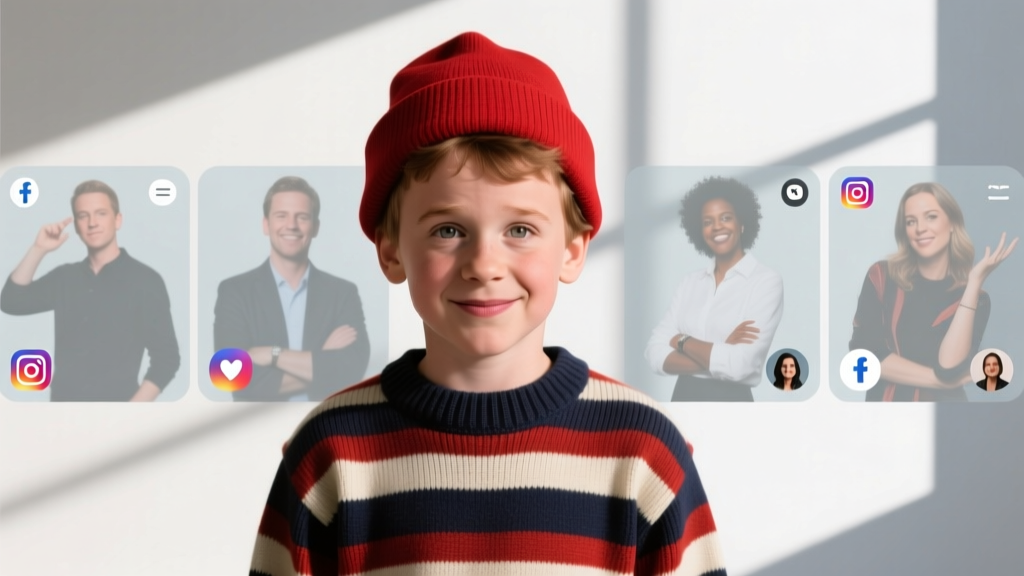
To understand the brilliance of this brand, we must compare it to the modern alternatives dominating social media feeds. Today’s teen and young adult influencers generally fall into two categories: the 'Polished Disney Star' (highly curated, brand-safe, agency-managed) and the 'TikTok Trend-Chaser' (reliant on viral audio, fast-fashion hauls, and algorithmic compliance). The Kevin McCallister persona offers a stark, highly effective alternative: the 'Resourceful Lone Wolf.'
Kevin doesn’t ask for permission, and he doesn’t follow trends. He builds his own traps, defends his own territory, and delivers iconic, highly quotable one-liners. In personal branding terms, this translates to a creator who owns their niche completely, relying on original, high-effort content rather than jumping on trending bandwagens. While modern influencers exhaust themselves chasing the TikTok algorithm, the McCallister brand relies on evergreen utility and undeniable authenticity. The lesson here is clear: building a defensive moat around your unique skills (your 'traps') is a far more sustainable long-term strategy than relying on the fleeting attention of a viral trend.
Social Media Presence: How Macaulay Culkin Manages the Legacy
Because Kevin McCallister is a fictional entity, the execution of this brand falls to Macaulay Culkin. With over 2.5 million followers on Instagram, Culkin’s approach to social media is a masterclass in anti-marketing. If you look at the standard celebrity bio alternative, it usually looks like this: 'Actor | Producer | Dog Dad 🐕 | Management: [Email] | Linktree 👇'. It is cluttered, desperate for clicks, and entirely predictable.
Culkin takes the exact opposite approach. His Instagram bio is notoriously sparse, often featuring nothing more than a dry, meta-joke or a simple link to his absurdist comedy brand, Bunny Ears. This 'Sparse Bio Alternative' is a massive flex. It signals to the audience that he doesn't need to sell you anything, which paradoxically makes his audience trust him more. When he does post, he leans heavily into self-deprecating meme culture. He frequently reposts AI-generated images of himself or memes featuring the iconic 'Kevin McCallister screaming' face. By leaning into the meme rather than running from his child-star past, Culkin maintains massive engagement rates. He controls the narrative by being in on the joke, proving that self-awareness is one of the most powerful tools in modern social media branding.
Nostalgia Marketing vs. Trend-Chasing: Which Strategy Wins?
According to research published by the Harvard Business Review on the psychology of nostalgia marketing, nostalgic brands create a sense of emotional safety and deep-seated loyalty in consumers. The Kevin McCallister brand is the ultimate case study in this. Every December, the character experiences a massive cultural resurgence, generating millions of organic impressions without Culkin having to lift a finger.
Compare this to the alternative strategy of 'relevance-chasing,' where aging influencers try to adopt Gen Z slang or participate in TikTok dances to stay relevant. The latter often results in cringe-worthy brand dilution. Culkin, however, embraces the nostalgia. He partnered with Google to recreate the Home Alone traps for a smart-home commercial, and he frequently wears vintage-inspired merchandise. The takeaway for your personal brand is to identify your 'origin story.' What is the foundational skill or early passion that made you who you are? Referencing your roots in your bio or content strategy creates a nostalgic anchor that keeps your audience loyal, even as industry trends shift.
The Bunny Ears Alternative: Building a Brand Beyond the Character
One of the greatest risks of a defining character role is being permanently boxed in. The standard alternative for actors in this position is to launch a serious, dramatic production company or a generic lifestyle brand (think Gwyneth Paltrow’s Goop or Ryan Reynolds’ Maximum Effort). Culkin chose a wildly different path by launching BunnyEars.com.
Bunny Ears is an absurdist, satirical comedy website and podcast network. It has nothing to do with Home Alone, yet it is entirely fueled by the eccentric, off-beat personality that Culkin has cultivated in his post-child-star life. By creating an alternative brand that reflects his actual adult sense of humor, he successfully bridged the gap between his past and his present. For personal branding, this teaches us the value of the 'Pivot Brand.' If your audience knows you for one specific thing (e.g., you are known as the 'Excel Spreadsheet Guy' on LinkedIn), launch a secondary project or newsletter that showcases a completely different, more personal facet of your personality. It deepens your audience's connection to you as a multi-dimensional human.
Personal Branding Takeaways for Your Own Bio
How can you apply the Kevin McCallister and Macaulay Culkin branding playbook to your own Instagram, LinkedIn, or TikTok profiles? Here are three actionable takeaways:
1. Adopt the 'Sparse Bio' Alternative
Stop treating your bio like a resume. If you have a strong portfolio or a clear niche, strip away the emojis and buzzwords. A bio that simply reads, 'Building [Product]. Writing about [Niche].' exudes quiet confidence. Let your content do the heavy lifting, just as Culkin lets his meme-worthy posts speak for themselves.
2. Defend Your Niche (Set Your Traps)
Kevin McCallister didn't try to be a chef, a cop, and a pilot; he focused entirely on defending the front door. In your bio, clearly state the one specific problem you solve. Instead of 'Digital Marketer | SEO | Content | Web Design | Coffee Lover,' try 'I help SaaS companies scale via SEO. Everything else is a distraction.' Specificity acts as a trap that catches your exact target audience while filtering out the noise.
3. Lean Into Meta-Humor
If your industry is notoriously dry (like finance, law, or B2B tech), use your bio to poke fun at it. A financial advisor whose bio reads, 'Spreadsheets by day. Explaining compound interest to my cat by night' uses the same self-aware humor that makes Culkin’s social media so engaging. It makes you instantly more approachable than your competitors.
Final Thoughts
The Kevin McCallister brand proves that you don't need to constantly reinvent yourself to stay relevant. By comparing this iconic archetype to modern influencer alternatives, it becomes clear that authenticity, self-awareness, and a mastery of nostalgia will always outperform algorithmic trend-chasing. Audit your current social media bios today: are you chasing trends, or are you defending your own house?
Sources: Macaulay Culkin Official Instagram, Bunny Ears Official Site, IMDb - Home Alone (1990).