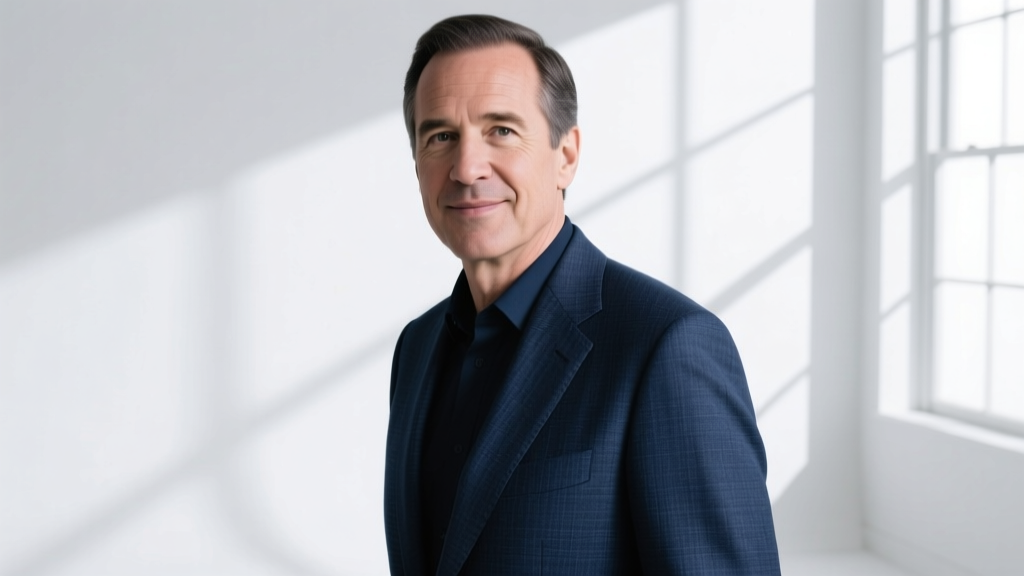
When analyzing the digital footprints of elite macroeconomic policymakers, few present a masterclass in restrained authority quite like Kevin Warsh. As a former Federal Reserve Governor, Stanford University professor, and frequent voice on global markets, Warsh has cultivated a personal brand that bridges the gap between Wall Street pragmatism and Washington institutionalism. For professionals looking to position themselves as serious thought leaders, studying his approach offers a blueprint in credibility, media strategy, and high-level networking. Unlike influencers who chase viral engagement, Warsh leverages his digital presence to signal stability, deep expertise, and bipartisan appeal. Let us break down his online persona, compare his strategy to alternative economic voices, and extract actionable bio and branding lessons for your own professional profiles.
| Full Name | Kevin Moore Warsh |
|---|---|
| Born | April 20, 1970 |
| Nationality | American |
| Known For | Former Fed Governor, Hoover Institution Scholar, Macro Strategist |
| Primary Platforms | X (Twitter), LinkedIn, CNBC Television |
Kevin Warsh and the Art of the Policymaker Bio
Crafting a bio that appeals to both academic peers and billionaire investors is a delicate balancing act, yet Kevin Warsh achieves this through what personal branding experts might call the "Rule of Three." Across his digital profiles, Warsh consistently anchors his identity to three distinct pillars: his tenure at the Federal Reserve, his academic home at Stanford University’s Hoover Institution, and his deep ties to private capital markets (notably his association with the Duquesne Family Office).
On platforms like X and LinkedIn, his bio eschews the laundry list of minor board memberships that clutter the profiles of lesser-known economists. Instead, he leads with institutional gravity. By keeping his bio concise and heavily weighted toward globally recognized institutions, Warsh ensures that any journalist, investor, or student who lands on his profile immediately understands his sphere of influence. His branding is not about proving he knows economics; it is about signaling that he operates at the highest echelons of monetary policy and global finance. This deliberate restraint makes his digital footprint feel exclusive and highly authoritative.
Social Media Presence: X, LinkedIn, and the CNBC Factor
Warsh’s social media strategy is defined by high signal and low noise. On X, he does not engage in the petty squabbles or daily political baiting that trap many public intellectuals. Instead, his feed functions as a curated repository of macroeconomic analysis. He frequently shares charts detailing inflation trends, monetary base shifts, and labor market dynamics, often accompanied by links to his op-eds in the Wall Street Journal or his policy papers at the Hoover Institution. This approach positions him not as a pundit, but as a serious researcher who happens to have a public platform.
LinkedIn serves a slightly different purpose in his branding ecosystem. Here, the focus shifts toward career milestones, high-level networking, and institutional announcements. His LinkedIn presence reinforces his image as a bridge-builder between the public and private sectors, highlighting speaking engagements at global financial summits and academic conferences.
Perhaps the most crucial element of Warsh’s digital brand is the "CNBC Factor." As a frequent contributor to CNBC, his television appearances act as dynamic, high-production-value extensions of his social media bios. Clips of his interviews—where he calmly dissects Federal Reserve policy or global liquidity regimes—are widely shared across financial Twitter and LinkedIn. These video snippets serve as powerful social proof, validating the authority claimed in his written bio and demonstrating his ability to communicate complex monetary theory to a mainstream business audience.
Comparison Analysis: Warsh vs. Alternative Economic Voices
To truly understand the uniqueness of Warsh’s personal brand, it is highly instructive to compare his digital strategy against alternative heavyweights in the economic commentary space. When professionals and investors look for macro insights, they typically choose between a few distinct archetypes of thought leadership.
The Combative Academic: Larry Summers
Former Treasury Secretary Larry Summers utilizes X as a battleground for intellectual debate. Summers’ brand is built on brilliance and combativeness; he frequently quote-tweets critics, engages in lengthy threads defending his models, and challenges the prevailing consensus with aggressive rhetoric. While this generates massive engagement, it polarizes his audience. Warsh, by contrast, maintains diplomatic restraint. He broadcasts his theses rather than debating them in the trenches, preserving an aura of institutional dignity that appeals to conservative and centrist capital allocators.
The Progressive Columnist: Paul Krugman
Nobel laureate Paul Krugman has built a digital brand deeply intertwined with progressive political commentary and long-form journalism (via the New York Times and Substack). Krugman’s social media is designed to drive traffic to his written opinions and rally a specific political demographic. Warsh’s brand is entirely decoupled from partisan politics. By focusing strictly on market mechanics, institutional credibility, and monetary regimes, Warsh maintains a bipartisan appeal that makes him a viable candidate for high-level government appointments regardless of which party holds the White House.
The Ubiquitous Translator: Mohamed El-Erian
Perhaps the closest alternative to Warsh is Mohamed El-Erian, who acts as a ubiquitous translator of global markets. El-Erian’s strategy is high-volume and omnipresent; he appears on every major network, writes for multiple financial outlets, and tweets constantly. Warsh’s strategy is far more selective. By appearing less frequently but with highly polished, deeply researched arguments, Warsh cultivates a "scarcity premium." When Warsh speaks or posts, the market pays attention precisely because he does not over-saturate the media landscape.
Personal Branding Takeaways for Thought Leaders
Whether you are an economist, a fintech founder, or a corporate strategist, there are profound lessons to be drawn from the Kevin Warsh playbook. Here is how you can apply his branding strategies to your own social media bios and digital presence:
1. Curate Your Institutional Anchors
Do not list every job you have ever had in your bio. Identify the two or three most prestigious, relevant, or recognizable institutions you are associated with and place them front and center. Let the gravity of those institutions do the heavy lifting for your personal credibility.
2. Master the Macro-Chart Post
If you are in a data-driven industry, avoid posting purely text-based hot takes. Instead, share clean, well-sourced charts with a brief, insightful caption. This signals that your opinions are grounded in empirical evidence, elevating your brand from "commentator" to "analyst."
3. Maintain Diplomatic Restraint
In an era where outrage drives algorithmic reach, taking the high road is a powerful differentiator. Refusing to engage in petty online arguments preserves your professional dignity and makes your profile a safe, respected space for high-level networking and recruitment.
4. Leverage Video as Social Proof
You do not need a daily podcast to benefit from video branding. Occasional, high-quality appearances on established industry panels, webinars, or interviews can be clipped and pinned to your profiles, providing undeniable proof of your communication skills and subject matter expertise.
Sources and Further Reading
To further study the institutional branding and professional background of Kevin Warsh, refer to the following verified sources:
- Hoover Institution Profile: Kevin Warsh, Shirley and Martin E. Anderson Senior Fellow in Economics (hoover.org)
- Stanford Graduate School of Business: Lecturer in Economics and Policy Analysis (gsb.stanford.edu)
- CNBC Contributors Network: Macroeconomic and Federal Reserve Analysis (cnbc.com)