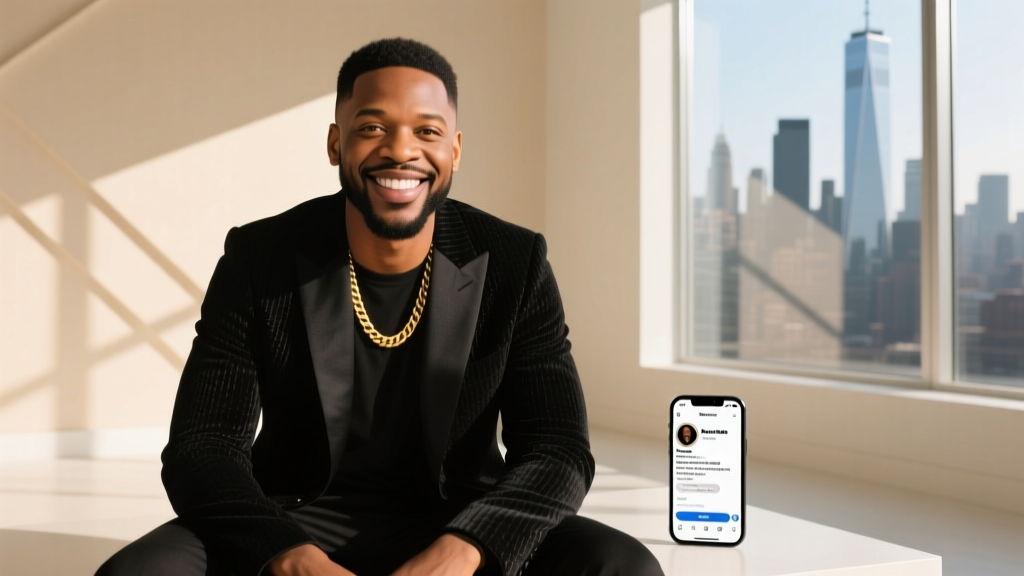
When discussing the personal branding of hip-hop royalty, the focus usually lands on the artists themselves. However, examining the partner of a legendary figure offers a masterclass in alternative brand management. Kimberly Woodruff, the wife of rap icon and Hollywood heavyweight Ice Cube, represents a fascinating case study in the power of absence. In an era where monetizing every aspect of a relationship is the norm, Kimberly Woodruff has chosen a radically different path. By comparing her fiercely private approach to the typical Hollywood spouse, we uncover valuable lessons on boundaries, mystique, and intentional digital footprints.
Quick Facts: The Woman Behind the Legend
| Attribute | Details |
|---|---|
| Full Name | Kimberly Woodruff |
| Born | c. 1971 (Exact date kept private) |
| Nationality | American |
| Known For | Marriage to Ice Cube, family advocacy, digital privacy |
| Social Media Handles | None (Strictly Private) |
| Spouse | O'Shea 'Ice Cube' Jackson (m. 1992) |
Kimberly Woodruff and the Art of Digital Silence
In the modern influencer economy, a personal brand is typically defined by what you share: your morning routine, your relationship milestones, and your curated aesthetics. Kimberly Woodruff flips this paradigm by defining her brand through what she withholds. She does not have a public Instagram, Twitter, or TikTok account. Her social media presence is entirely non-existent by choice, making her a ghost in a machine built on oversharing.
This digital silence is not an accident; it is a highly effective boundary. When Ice Cube posts a rare anniversary tribute or a photo from a private family vacation, the engagement is massive precisely because it is scarce. In branding terms, this is the principle of scarcity. By refusing to participate in the daily content grind, Kimberly maintains an aura of mystique and dignity that is often lost among Hollywood spouses who overexpose their personal lives for engagement metrics.
For those analyzing personal branding, her approach highlights a critical alternative to the standard influencer playbook: you do not need a digital footprint to possess a strong personal brand. Her reputation in the entertainment industry is built on loyalty, discretion, and being the stabilizing force behind one of music's most enduring careers. Her brand is 'The Anchor,' and an anchor does not need to make noise to keep the ship secure.
Comparison Analysis: The Private Spouse vs. The Influencer WAG
To truly understand the brilliance of the Woodruff-Jackson union, we must compare her strategy to the prevailing alternatives in celebrity culture. Let us break down the two primary branding archetypes for partners of high-profile figures.
Alternative A: The Monetized Reality Spouse
This is the most common path in modern Hollywood. The spouse leverages their partner's fame to build an independent social media empire. They launch podcast networks, secure sponsored posts, and occasionally air marital grievances for reality television ratings. The Pros: High financial independence and direct audience engagement. The Cons: Extreme vulnerability to public scrutiny, cancellation risks, and the erosion of authentic family intimacy. The bio is usually packed with emojis, affiliate links, and a podcast plug.
Alternative B: The Kimberly Woodruff Approach (The Silent Partner)
Kimberly represents the 'Silent Partner' archetype. She attends NBA games, movie premieres, and industry galas looking immaculate, but she does not grant interviews or post behind-the-scenes content. The Pros: Total control over her narrative, protection of her children's mental health, and a relationship shielded from public opinion. The Cons: Lack of direct monetization of her public appearances and reliance on her spouse's public narrative.
By choosing Alternative B, Kimberly Woodruff ensures that her family's legacy is defined by their tangible achievements—such as O'Shea Jackson Jr.'s successful acting career and Ice Cube's business ventures—rather than internet drama. Her lack of a bio is, in itself, the ultimate bio. It says: 'I am here for my family, not for your consumption.'
Real-World Impact: Philanthropy and Family Legacy
Kimberly and Ice Cube married in 1992, a time when the rapper was transitioning from the controversial epicenter of gangsta rap to a mainstream Hollywood powerhouse. Navigating that transition required a partner who was unbothered by public noise. Together, they have raised four children: O'Shea Jr., Darrell, Karima, and Shareef.
While Ice Cube is vocal about his community initiatives, such as the Big3 basketball league and various South Los Angeles empowerment programs, Kimberly operates as the private backbone of these endeavors. Industry insiders and biographers note that the longevity of Ice Cube's career is directly tied to the stable, drama-free home life Kimberly has cultivated. In an industry notorious for broken homes and public scandals, a 30-plus-year marriage is a statistical anomaly. Her branding alternative—prioritizing real-world impact over digital clout—has yielded a generational legacy that outlasts any viral trend.
Personal Branding Takeaways: Designing a Boundary-First Bio
You might not be married to a rap legend, but you can absolutely apply the 'Kimberly Woodruff Alternative' to your own social media strategy. Here is how you can use boundary-first branding for your own profiles:
1. The 'Less is More' Bio Strategy
You do not need to list your entire resume, your relationship status, and your hobbies in your Instagram bio. Embrace minimalism. A short, enigmatic bio (e.g., simply stating your profession or a single meaningful quote) projects confidence. It tells the world that you do not need to over-explain your worth.
2. Compartmentalize Your Digital Life
If you are a public-facing professional or creator, consider the private account alternative. Keep your public bio strictly for your art, business, or brand, and maintain a fiercely private, locked account with zero bio details for your actual friends and family. Protect your inner circle from the algorithm.
3. Use Scarcity to Build Value
Kimberly's rare appearances at events generate excitement because they are unexpected. Apply this to your posting schedule. You do not need to post daily Stories. Sharing high-quality, meaningful updates once a month makes your audience pay closer attention when you do show up on their feed.
4. Protect the 'Link in Bio'
Instead of using your bio link to push five different sponsored affiliate codes, use it to point to a single, high-value destination—like a private newsletter, a portfolio, or a charity you support. Curate the exit strategy for your profile just as carefully as the entrance.
Final Thoughts on Digital Boundaries
The digital age tries to convince us that if you are not posting, you do not exist. Kimberly Woodruff proves the exact opposite. By analyzing her comparison to modern influencer culture, we see that true power often lies in what you refuse to share. Whether you are crafting a bio for a professional LinkedIn page or an aesthetic Instagram profile, remember that boundaries are a vital part of your personal brand. Sometimes, the most compelling thing you can put in your bio is absolutely nothing at all.
Sources & References:
- Ice Cube's verified interviews regarding family privacy and career longevity (Complex Media / GQ Archives).
- Biographical profiles on the Jackson family legacy and entertainment industry marriage statistics (Biography.com / IMDb).
- Brand analysis on digital scarcity and the 'Silent Partner' archetype in celebrity PR (Forbes / Harper's Bazaar).