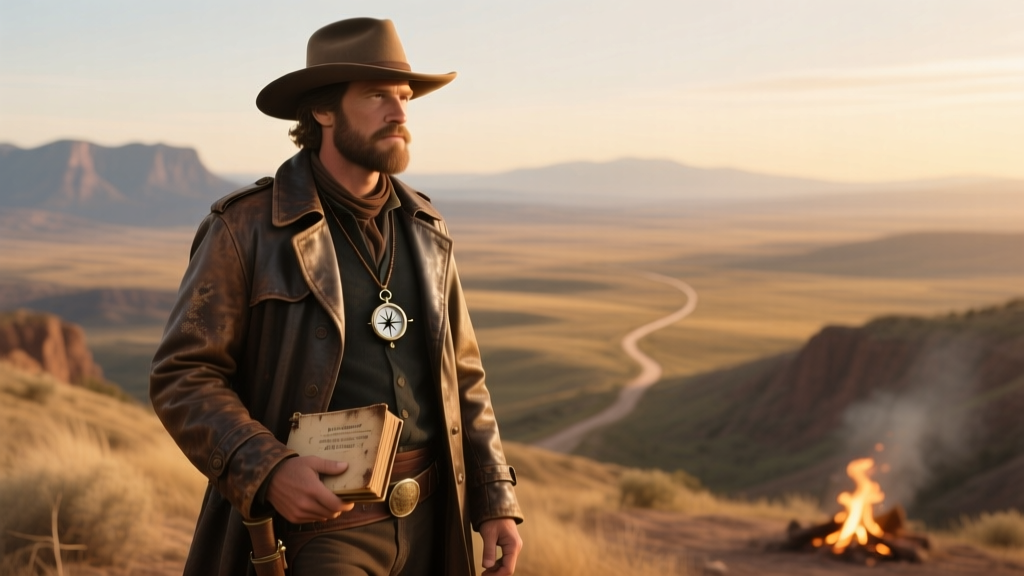
When we think of personal branding, we usually picture modern influencers, tech CEOs, or reality TV stars. But long before the internet, Christopher Houston 'Kit' Carson was the subject of America’s first massive, multi-platform personal branding campaign. As a 19th-century frontiersman, trapper, and guide, Kit Carson didn't have an Instagram bio, but his life offers one of the most fascinating case studies in the history of public perception, myth-making, and legacy management. In this comparison and alternatives analysis, we explore the tension between the real Kit Carson and the fictionalized 'dime novel' alternative that made him a household name. By examining how his brand was built, how it was distorted, and how his legacy is managed on social media today by historical institutions, we can uncover profound lessons for crafting an authentic, compelling personal brand and social media bio in the modern era.
Quick Facts: The Man Behind the Legend
| Attribute | Details |
|---|---|
| Full Name | Christopher Houston Carson |
| Born | December 24, 1809 (Madison County, Kentucky) |
| Nationality | American |
| Known For | Mountain Man, Frontier Guide, Indian Agent, Dime Novel Icon |
| Unique Skills | Fluent in Spanish, Ute, Apache, Cheyenne, Navajo, and Shoshone |
| Modern Digital Stewards | @kitcarsonmuseum (Instagram/Facebook) |
The Original Influencer: Frémont's Reports as Viral Content
Before TikTok and YouTube, the primary vehicle for viral storytelling in the 1840s was the government expedition report. Kit Carson’s initial rise to fame wasn't self-published; it was driven by a strategic collaboration with explorer John C. Frémont. Frémont acted as the content creator, while Carson was the undeniable star of the show. When Frémont’s expedition reports were published by the U.S. Congress, they became unexpected bestsellers. Eastern audiences were captivated by the poetic descriptions of Carson’s bravery, tracking skills, and survival instincts.
From a personal branding perspective, this is the 19th-century equivalent of a high-profile podcast interview or a viral documentary feature. Carson didn't need to boast about his own skills; he let a skilled storyteller document his expertise in real-time. The lesson for modern professionals is clear: the most powerful personal brands are often amplified by others. A well-written testimonial, a guest post on a major industry blog, or a collaborative project often carries more weight in your 'bio' than your own self-promotion.
Comparison Analysis: The Real Kit Carson vs. The Dime Novel Alternative
The core of the Kit Carson brand analysis lies in the stark contrast between his authentic self and his 'alternative' public persona. In the 1850s and 60s, pulp publishers realized that the public was hungry for Western heroes. They created the 'dime novel' Kit Carson—an alternative, highly filtered version of the man.
- The Authentic Bio (The Reality): Carson was 5'4", soft-spoken, and illiterate. He was deeply integrated into Native American and Mexican cultures, having married into the Cheyenne and Arapaho tribes before settling with his Mexican wife, Josefa Jaramillo. He was a pragmatic survivor who preferred diplomacy and tracking over unnecessary violence.
- The Alternative Bio (The Dime Novel Myth): The dime novels portrayed him as a towering, bloodthirsty, infallible marksman who single-handedly defeated armies of outlaws and 'savages.' This was the 1800s equivalent of heavy Instagram filters and exaggerated LinkedIn metrics.
Carson famously disliked this alternative brand. In one documented encounter, he met a dime novelist and expressed his deep distaste for the exaggerated violence and inaccuracies attributed to him. He understood the danger of letting the audience and the algorithm write his bio. When you lose control of your narrative, the 'alternative' persona can overshadow your authentic achievements, boxing you into expectations you never set for yourself.
Social Media Presence: Managing a Historical Legacy Online
How does a 19th-century legend fare on Instagram and Facebook today? Because Carson passed away in 1868, his modern 'social media presence' is managed by the stewards of his brand, primarily the Kit Carson Home & Museum in Taos, New Mexico. Analyzing their digital footprint offers a masterclass in legacy branding and myth-busting.
The Bio & Positioning: The museum’s social media bios position Carson not as a caricature, but as a complex, multifaceted historical figure. They use their platforms to correct the dime novel myths, replacing them with the nuanced reality of a man who navigated complex cultural intersections.
Posting Style & Content Strategy: Their feeds feature high-quality artifact photography, primary source quotes, and behind-the-scenes looks at adobe preservation in Taos. They lean heavily into the 'Dark Academia' and 'Western Aesthetic' trends, using sepia tones, vintage typography, and detailed historical captions to engage users.
Follower Engagement: The engagement is highly niche but deeply loyal. It is driven by history enthusiasts, genealogy researchers, and fans of Western Americana. By focusing on education rather than sensationalism, the museum has built a digital community that respects the authentic Carson over the fictional alternative.
Personal Branding Takeaways for Your Digital Bio
Whether you are a freelancer, an entrepreneur, or a creator, the Kit Carson brand arc provides actionable takeaways for your own digital presence:
- Authenticity Outlasts the 'Filter': The dime novel version of Carson was eventually debunked by historians, but his actual legacy as a skilled diplomat and guide endures. In your Instagram or LinkedIn bio, avoid inflating your metrics or skills. Ground your bio in verifiable, authentic achievements.
- Highlight Your Unique 'Stack': Carson wasn't just a trapper; his true value was his linguistic stack. He spoke over six languages, which made him an indispensable guide. Your bio should highlight your unique intersections (e.g., 'Data Scientist + Behavioral Psychologist') rather than generic industry titles.
- Curate Before Others Do: Carson’s regret was letting pulp writers define him. Today, if you don't define your personal brand through a clear, optimized bio and consistent content, the internet (or your competitors) will define it for you. Claim your narrative early.
Crafting Your Own 'Frontier-Ready' Instagram Bio
Ready to apply the Carson methodology to your own profile? Here is a formula inspired by the frontiersman's authentic brand:
- The Identifier (Who you are): Keep it grounded. (e.g., 'Alpine Guide & Wilderness Educator' instead of 'Mountain Ninja Guru').
- The Unique Value (Your languages/skills): What bridges do you build? (e.g., 'Translating complex code for non-tech founders').
- The Proof (Your Frémont report): Link to a portfolio, a featured interview, or a case study where someone else validates your expertise.
- The Call to Action (The Trailhead): Direct them to your next expedition. (e.g., 'Join 5,000+ readers on my weekly newsletter').
By studying the gap between the real Kit Carson and his fictionalized alternatives, we learn that the most magnetic personal brands are those rooted in deep, undeniable competence rather than manufactured hype.
Sources & Further Reading
- History.com - Kit Carson: Life and Legacy of the American Frontiersman
- Smithsonian Magazine - How Dime Novels Created the Myth of the Wild West
- Kit Carson Home & Museum (kitcarsonmuseum.org) - Biographical Archives and Digital Exhibits