When building a personal brand in the digital era, the prevailing advice is often to be as loud, frequent, and viral as possible. However, a true masterclass in personal branding often comes from those who let their craft dictate their volume. Enter Kyle Eastwood, the acclaimed jazz bassist, composer, and film scorer. While he carries one of the most recognizable surnames in Hollywood history, Kyle has meticulously carved out a distinct, respected identity in the global jazz community and the film scoring industry. For creators, musicians, and professionals looking to refine their digital footprint, analyzing the Kyle Eastwood approach to social media and bio design offers a refreshing masterclass in quiet authority, niche authenticity, and letting the art speak for itself.
The Musical Journey of Kyle Eastwood
Before dissecting his digital presence, it is vital to understand the foundation of his brand. Kyle Eastwood is not merely a legacy act; he is a prolific, working musician with a deep discography and an impressive resume in cinematic scoring. He has released numerous solo jazz albums, including From There to Here (1998), Paris Blue (2004), Metropolitan (2009), In Transit (2017), and the aptly named Cinematic (2019). His music often blends contemporary jazz with electronic elements and global influences, reflecting his extensive travels and time spent living in France.
Beyond his solo work, Kyle is a vital collaborator in the film industry. He has co-composed and contributed to the soundtracks of several Academy Award-winning and critically acclaimed films directed by his father, Clint Eastwood. His bass work and compositional contributions are featured in masterpieces like Mystic River (2003), Letters from Iwo Jima (2006), Gran Torino (2008), Invictus (2009), and Sully (2016). This dual legacy—as a globe-trotting jazz artist and a Hollywood film composer—gives him a unique brand positioning that balances high art with mainstream cinematic appeal.
Quick Facts: Kyle Eastwood
| Attribute | Details |
|---|---|
| Full Name | Kyle Eastwood |
| Born | May 19, 1968 (Los Angeles, California) |
| Nationality | American |
| Known For | Jazz Bassist, Film Score Composer, Bandleader |
| Key Albums | Cinematic, In Transit, Paris Blue |
| Primary Genres | Contemporary Jazz, Post-Bop, Film Score |
| Official Web | kyleeastwood.com |
Social Media Presence: The Art of Understated Elegance
Unlike mainstream celebrities who rely on controversy, daily vlogs, or trending audio to maintain algorithmic relevance, Kyle Eastwood utilizes a 'low-volume, high-value' social media strategy. His digital footprint is an extension of his musical philosophy: precise, atmospheric, and deeply rooted in craftsmanship. On platforms like Instagram, his posting cadence is deliberate. He does not flood the feed; instead, he shares moments that matter to his core audience of jazz aficionados, audiophiles, and film enthusiasts.
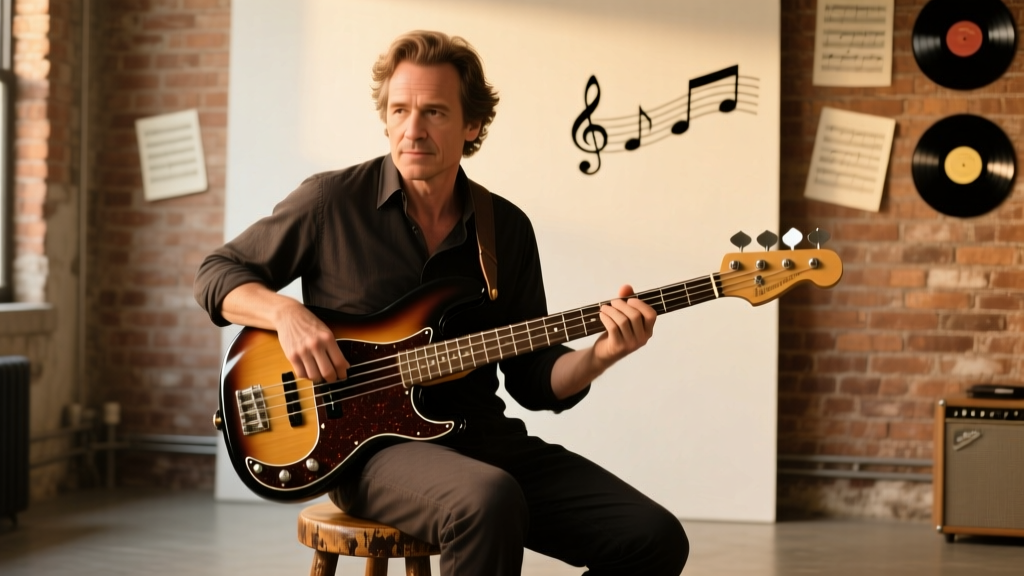
His content pillars are distinctly defined. First, Studio Sessions and Gear. Followers are treated to moody, high-contrast photography of his bass guitars, amplifiers, and recording consoles. This appeals to the 'gear-head' demographic and establishes his technical authority. Second, Touring and Live Performance. Rather than hyper-edited concert reels, he often posts raw, acoustic snippets of live performances, allowing the audio quality and musicianship to take center stage. Third, Cinematic Nostalgia. He occasionally shares behind-the-scenes glimpses from film scoring sessions or premiere events, acknowledging his Hollywood ties without making it the sole focus of his identity. This careful curation ensures that his brand remains anchored in music, not celebrity gossip.
Deconstructing the Digital Bio & Brand Identity
When you visit the profile of a legacy musician or niche artist, the bio must accomplish a lot with very few characters. The modern jazz musician's Instagram or Twitter bio is rarely about clever quips or emoji-laden lists. It is an exercise in utilitarian branding. A typical Kyle Eastwood-style bio relies on the 'Quiet Authority' framework. It states exactly who he is, what his latest project is, and where the user can consume his art.
The anatomy of this type of bio usually includes three lines:
1. The Identifier: 'Jazz Bassist | Composer' (Establishes immediate professional context).
2. The Hook/Current Focus: 'New Album Out Now' or 'Scoring [Film Name]' (Creates urgency and relevance).
3. The Call to Action (CTA): A downward-pointing arrow directing eyes to the link-in-bio.
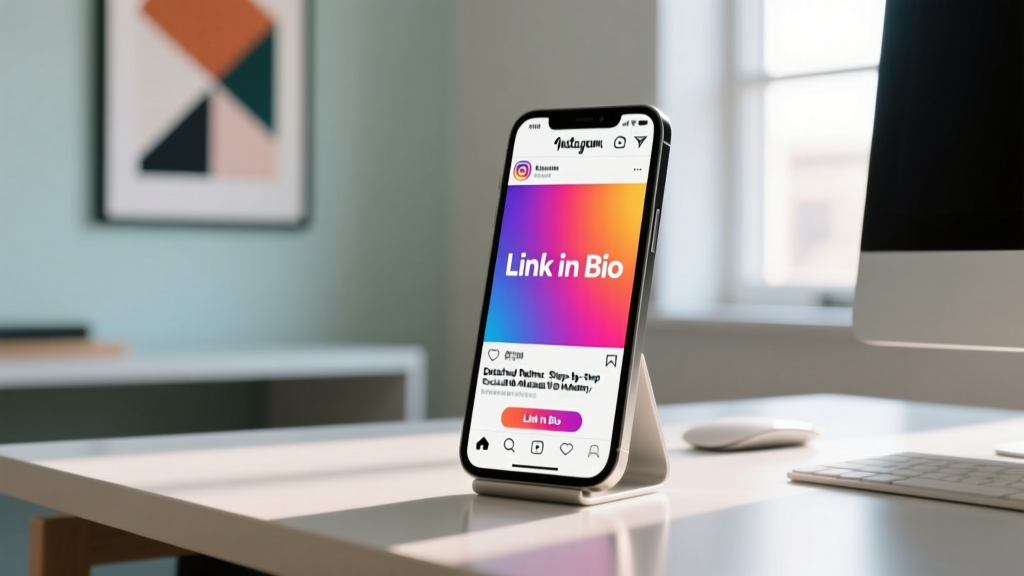
This link-in-bio strategy is where the real conversion happens. For a working musician, the link tree is not a dumping ground for random interviews. It is a streamlined portal to streaming platforms (Spotify, Apple Music), official tour dates, and high-quality merchandise. By keeping the bio text sparse, the artist forces the user to click the link, moving them from a rented social media platform to an owned ecosystem where they can stream music or buy tickets.
Visual Aesthetics and Grid Curation
A crucial element of Kyle Eastwood's personal brand is his visual aesthetic, which heavily mirrors the tone of his music and the cinematic worlds he inhabits. His social media grid avoids the overly saturated, hyper-filtered look of lifestyle influencers. Instead, it leans into a 'film noir' and 'analog studio' aesthetic. Expect deep shadows, warm amber lighting, black-and-white portraits, and the natural wood grain of vintage upright basses.
This visual consistency is a powerful branding tool. When a fan or a jazz promoter lands on his page, the visual tone immediately communicates sophistication, maturity, and artistic depth. It tells the viewer that they are in the presence of a serious artist. For anyone building a personal brand, this highlights the importance of aligning your visual assets with your professional output. If you are a corporate consultant, your grid should reflect clarity and professionalism; if you are a musician like Eastwood, it should reflect the mood of your sound.
Personal Branding Takeaways for Your Own Profile
What can creators, freelancers, and aspiring artists learn from the Kyle Eastwood approach to personal branding? Here are the expert takeaways you can apply to your own social media bios and profiles today:
- Embrace the 'Quiet Authority' Bio: You do not need to use buzzwords or exaggerated claims to prove your worth. If you are a graphic designer, a simple bio reading 'Brand Identity Designer | Helping startups scale visually | Portfolio below' is infinitely more effective than a paragraph full of emojis and self-proclaimed 'guru' titles. Let your credentials and your link-in-bio do the heavy lifting.
- Define Your Content Pillars: Eastwood sticks to his studio, his gear, and his performances. Identify the three core pillars of your profession and rotate your content through them. This trains your audience on what to expect from you and attracts followers who are genuinely interested in your specific niche, leading to higher engagement rates and better conversion.
- Leverage Collaborations Gracefully: Kyle Eastwood has worked with some of the biggest names in Hollywood and the jazz world, yet he never uses his profile to aggressively name-drop or ride coattars. When you collaborate with larger brands or creators, tag them respectfully and focus the caption on the work you created together, rather than the fame of the people involved. This projects confidence and professionalism.
- Optimize Your Link-in-Bio for Utility: Treat your bio link like a digital storefront. Remove dead links, outdated press releases, or secondary social accounts. Your link should only house the most critical actions you want a fan or client to take: book a consultation, stream the new album, or read your latest case study.
- Match Your Visuals to Your Vibe: Audit your last nine social media posts. Do they look like they belong to the brand you are trying to build? Adopt a consistent lighting style, color palette, or filter that reflects your industry. A moody, cinematic aesthetic works for a film composer; a bright, minimalist aesthetic works for a tech entrepreneur.
Final Thoughts on Authentic Branding
The digital landscape is crowded with noise, making the quiet confidence of artists like Kyle Eastwood stand out even more. By focusing on the integrity of his music, maintaining a sophisticated visual aesthetic, and utilizing a utilitarian, conversion-focused bio strategy, he has built a brand that commands respect across multiple industries. Whether you are scoring a feature film, designing a logo, or writing code, remember that true personal branding is not about being the loudest voice in the room—it is about being the most authentic.
Sources & Further Reading:
1. AllMusic: Kyle Eastwood Biography & Discography
2. IMDb: Kyle Eastwood Filmography & Composer Credits
3. Kyle Eastwood Official Website & Tour Archives