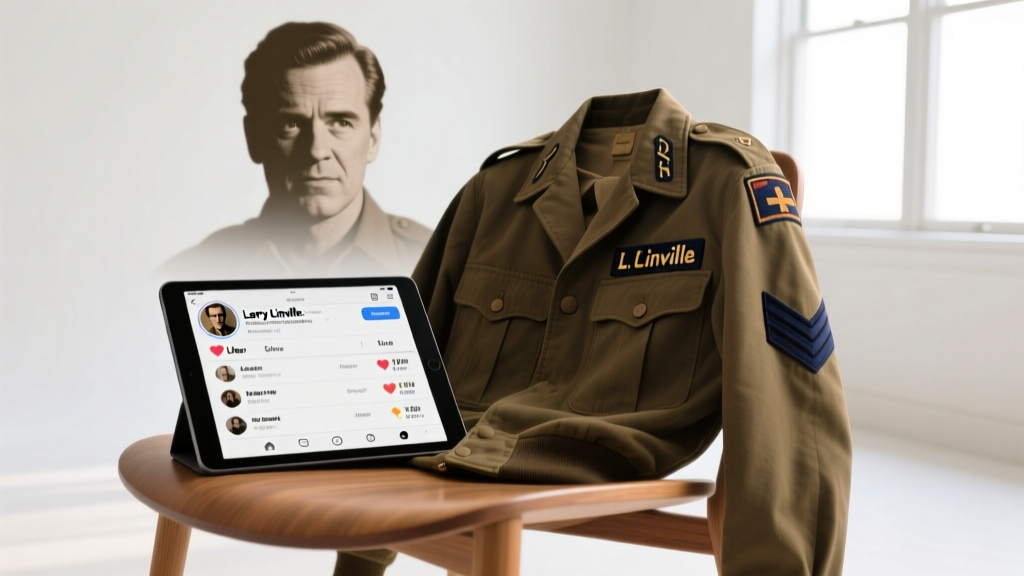
When discussing iconic television characters, few are as universally recognized—and delightfully despised—as Major Frank Burns. Yet, the man behind the sniveling, incompetent surgeon was Larry Linville, a classically trained, highly sophisticated actor. Because Linville passed away in 2000, long before the advent of modern social media, analyzing his digital presence requires a unique comparative approach. How does the posthumous digital footprint of a legacy star compare to the active personal branding of his surviving co-stars? Furthermore, what alternatives exist for character actors trying to separate their true identity from their most infamous roles? In this comparison and alternatives analysis, we explore Larry Linville’s posthumous digital branding, contrast it with modern actor strategies, and extract personal branding takeaways you can apply to your own digital presence.
The Quick Facts: Lawrence Lavon Linville
| Attribute | Details |
|---|---|
| Full Name | Lawrence Lavon Linville |
| Born | September 29, 1939 (Ojai, California) |
| Died | April 10, 2000 (New York City) |
| Nationality | American |
| Education | Royal Academy of Dramatic Art (RADA), London |
| Known For | Major Frank Burns on M*A*S*H (1972–1977) |
| Digital Presence | Fan-curated archives, YouTube tributes, Wikipedia, Meme culture |
Larry Linville’s Digital Footprint vs. Living Co-Stars
To understand the unique nature of Larry Linville's digital brand, we must compare it to the living, breathing personal brands of his M*A*S*H co-stars. Linville’s internet presence is entirely static and posthumous. It is maintained by grassroots fan pages, Wikipedia editors, and YouTube channels dedicated to classic television clips. His digital identity is inextricably locked into the caricature of Frank Burns—a hypocritical, bumbling, and deeply insecure military officer.
Contrast this with Mike Farrell (who played B.J. Hunnicutt). Farrell has actively utilized platforms like X (formerly Twitter) to rebrand himself from a beloved TV doctor to a prominent, outspoken human rights activist. Similarly, Alan Alda (Hawkeye Pierce) has successfully pivoted his personal brand toward science communication, hosting podcasts and engaging with academic institutions. These living actors have the agency to push back against typecasting and control their narrative in real-time.
The Alternative Strategy: If a modern character actor finds themselves trapped by a massive, unlikable role, the alternative to Linville’s passive legacy is active digital disruption. Actors today use Instagram Stories or TikTok to show the stark contrast between their real-life personalities and their on-screen villains. By posting behind-the-scenes content, charity work, or intellectual hobbies, they create a 'branding wedge' that separates the artist from the art. Linville, a highly educated man who studied at the prestigious Royal Academy of Dramatic Art (RADA) in London, was a victim of an era where the audience only saw the final broadcast product, not the process.
Filmography and the Typecasting Dilemma
Linville’s career presents a masterclass in the risks and rewards of niche branding. His filmography and television credits include:
- M*A*S*H (1972–1977): The role that made him a household name and earned him widespread recognition.
- Night Court (1980s): Various guest appearances showcasing his comedic timing outside the military setting.
- Earth Girls Are Easy (1988): A cult-classic film appearance that leaned into his comedic sensibilities.
- Stage Work: Numerous regional theater productions where he tackled serious, dramatic roles that TV audiences never saw.
In 1977, Linville made a massive career pivot: he chose to leave M*A*S*H at the height of its popularity. He famously stated that he felt he had taken the Frank Burns character as far as he could, and that the character's lack of growth was limiting him as an artist. From a personal branding perspective, this was a high-risk 'rebrand.' He walked away from a guaranteed paycheck and massive cultural relevance to reclaim his artistic integrity. While it proved his dedication to his craft, it also cemented Frank Burns as his definitive legacy in the public eye.
Social Media Presence: Fan Pages vs. Official Estates
Because Larry Linville does not have official, verified social media accounts managed by an estate, his 'social media presence' is entirely open-source. On platforms like Facebook and Reddit, M*A*S*H fan groups frequently use images of Linville as Frank Burns for memes, reaction GIFs, and comedic commentary.
When we compare this to modern celebrity estates—such as the highly managed digital brands of Marilyn Monroe or Elvis Presley, which strictly control licensing, imagery, and narrative—Linville’s digital footprint is delightfully chaotic. It belongs to the fans. The algorithm favors the loud, comedic, and exaggerated moments of Frank Burns, meaning the quiet, intellectual reality of Larry Linville is often buried. For modern creators, this highlights a crucial lesson: if you do not actively curate your digital footprint, the internet will curate it for you, usually favoring your most exaggerated moments.
Personal Branding Takeaways for Your Own Bio
What can everyday professionals, creators, and aspiring actors learn from the legacy of Larry Linville? Here are three actionable takeaways for crafting your own social media bios and personal brands:
1. The 'Contrast' Bio Strategy
Linville was a sophisticated, classically trained Shakespearean actor who played a pompous fool. You can use this same contrast to make your own bio memorable. If your day job is highly serious (e.g., corporate lawyer, data analyst), use your Instagram or X bio to highlight your unexpected hobbies or sense of humor. Example: 'Corporate Litigator by day. Amateur woodworker and terrible golfer by weekend.' Contrast creates curiosity and makes you multi-dimensional.
2. Know When to Walk Away (The Rebrand)
Linville left M*A*S*H because he recognized the danger of a stagnant brand. In your own career, if you are known for a specific skill or legacy project that no longer aligns with your goals, you must actively pivot. Update your LinkedIn headline, change your portfolio's focal point, and start posting content that reflects where you are going, not just where you have been.
3. Embrace the 'Villain' or 'Meme' Persona with Irony
Modern actors like Jack Gleeson (Joffrey in Game of Thrones) or Anthony Starr (Homelander in The Boys) often lean into the meme culture surrounding their unlikable characters. If the internet has assigned you a specific 'vibe' or inside joke within your industry, don't fight it—incorporate it into your bio with a wink. Self-awareness is one of the most attractive traits in modern personal branding.
Sources and Further Reading
- The New York Times: Larry Linville, 60, Actor Known as Frank Burns on M*A*S*H (April 12, 2000). This obituary provides vital context on his RADA training and his deliberate choice to leave the show to pursue stage acting.
- Television Academy Foundation: The Interviews - M*A*S*H Cast Archives. Offers deep insights into the ensemble dynamics and how the actors viewed their long-term career branding versus the immediate fame of the series.
Ultimately, Larry Linville's legacy reminds us that while we may not be able to control how the world remembers our most famous 'character,' we can control the depth, education, and integrity we bring to our craft behind the scenes.