When we think of timeless personal branding, modern influencers usually come to mind. However, the ultimate masterclass in authentic storytelling and niche authority belongs to an iconic author from the American frontier: Laura Ingalls Wilder. Long before the invention of social media bios, link-in-bio tools, and digital personal branding, Wilder cultivated a deeply personal, relatable voice that transcended generations. By analyzing how her literary estate, historic museums, and official channels manage her digital footprint today, we can uncover powerful case study lessons. Let us explore how the enduring legacy of Laura Ingalls Wilder offers a unique, real-world blueprint for crafting an unforgettable, story-driven personal brand that stands the test of time.
The Literary Blueprint of Laura Ingalls Wilder
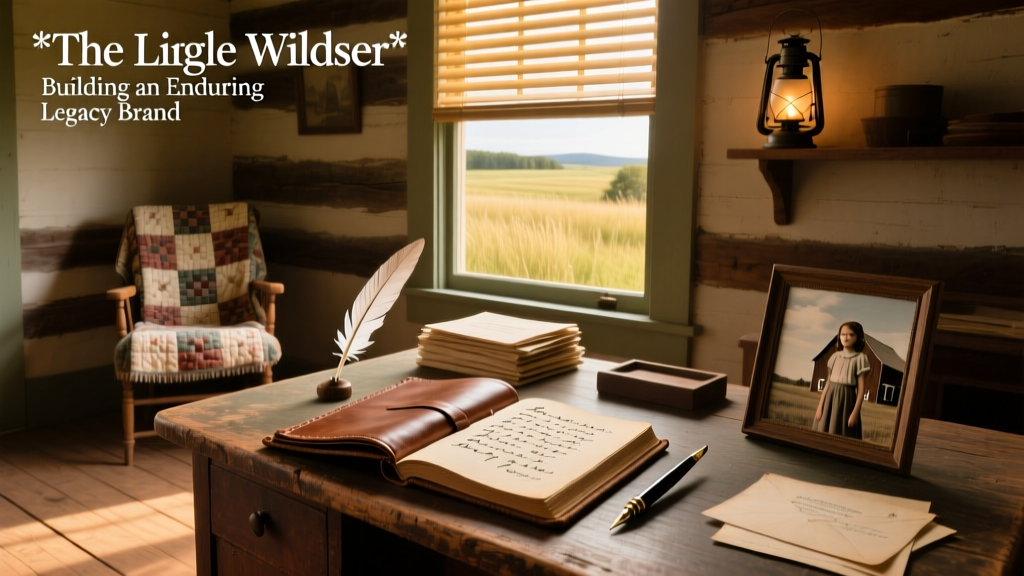
Before she was a beloved children's author, Laura Ingalls Wilder was a working journalist and a dedicated columnist. From 1911 to 1924, she wrote a column titled 'As a Farm Woman Thinks' for the Missouri Ruralist. This period was the foundational era of her personal brand. She did not just write about farming; she shared her opinions on women's suffrage, modern technology, family dynamics, and rural economics. She established herself as a thought leader and a trusted voice in her community.
For modern creators, this is a vital lesson in niche authority. Wilder did not suddenly publish Little House in the Big Woods in a vacuum. She spent over a decade building an audience, refining her voice, and proving her expertise. When you craft your Instagram or TikTok bio today, you are essentially writing your own 'column header.' You must distill your expertise into a concise, compelling statement that tells your audience exactly what value you provide. Wilder's early career proves that consistent, authentic content creation in a specific niche is the bedrock of a brand that lasts.
| Full Name | Laura Elizabeth Ingalls Wilder |
|---|---|
| Born | February 7, 1867 (Pepin County, Wisconsin) |
| Died | February 10, 1957 (Mansfield, Missouri) |
| Nationality | American |
| Known For | Little House on the Prairie book series, Pioneer memoirs |
| Notable Works | Little House in the Big Woods, Farmer Boy, On the Banks of Plum Creek |
| Digital Legacy Hubs | Laura Ingalls Wilder Historic Home & Museum, Pioneer Girl Project |
Digital Footprint: Managing a Historical Social Media Presence
How do you write a social media bio for someone who has been gone for decades? The management of Laura Ingalls Wilder's posthumous brand offers a fascinating case study in legacy curation. Today, her 'social media presence' is managed through a network of official estate accounts, historical societies, and museum pages, such as the official Little House on the Prairie social channels and the Laura Ingalls Wilder Historic Home & Museum pages.
If you look at the bios of these official legacy accounts, they share a distinct, highly optimized structure. They rely on clear identifiers and authority markers. Bios frequently use phrases like 'The Official Home of,' 'Celebrating the Legacy of,' and 'Preserving Pioneer History.' They do not use trendy slang or fleeting internet jargon; instead, they use evergreen keywords that resonate with their target audience: nostalgia, history, family, and literature. Furthermore, these accounts utilize their 'link in bio' masterfully, directing followers to a centralized hub where they can purchase books, buy museum tickets, read historical blog posts, and access educational resources. This is a perfect real-world example of how to use a bio link to drive meaningful, multi-channel engagement rather than just linking to a single, static webpage.
Visual Branding: The 'Profile Picture' of a Literary Icon
A personal brand is not just about the words in your bio; it is also about the visual aesthetic that surrounds it. For Laura Ingalls Wilder, the iconic illustrations by Garth Williams serve as the visual anchor of her brand. Much like a cohesive Instagram grid, a recognizable profile picture, or curated Story Highlights, Williams' illustrations provide an immediate, emotional connection to the 'Little House' universe.
The estate and publishers have fiercely protected this visual consistency over the decades. When a modern reader sees a specific style of pastoral, pencil-drawn illustration, they immediately associate it with Wilder's brand of wholesome, resilient frontier life. The lesson for modern personal branding is clear: your visual identity must match the tone of your bio. If your bio claims you are a minimalist, high-end designer, but your profile aesthetics are chaotic and colorful, you create cognitive dissonance. Wilder's brand teaches us that visual consistency builds instant trust and recognition.
Case Study: The Power of the 'Origin Story'
Every highly optimized modern bio hints at an origin story. It tells the audience where you started and where you are now. Wilder's entire brand is built upon her 'Little House' origin story. She took the raw, often difficult realities of pioneer life—crop failures, harsh winters, illness, and financial ruin—and framed them through a lens of resilience, family values, and optimism.
She did not hide her struggles; she made them the core of her narrative. In the context of personal branding, this is the power of vulnerability. When you write your bio, do not just list your accolades. Hint at the journey. Phrases like 'From corporate burnout to mindful entrepreneur' or 'Self-taught coder building accessible tech' immediately give your audience a narrative hook. Wilder's success proves that people do not just connect with success; they connect with the struggle and the triumph over adversity.
Personal Branding Takeaways for Modern Creators
Analyzing the historical footprint and modern digital management of Laura Ingalls Wilder provides several actionable takeaways for crafting your own social media profiles:
- Define Your 'Ruralist' Niche: Just as Wilder used her column to establish authority before writing her books, use your social media bio to clearly state your specific niche. Avoid being a generalist. Tell your audience exactly what unique perspective you bring to your field.
- Leverage Authority Markers: The official legacy accounts use words like 'Official' and 'Preserving.' In your own bio, use subtle authority markers. If you are a certified professional, an award winner, or a published author, include a brief, recognizable badge of trust in your bio text.
- Optimize Your Link-in-Bio Hub: Do not waste your single bio link on a generic homepage. Like the Little House estate accounts, create a centralized landing page that offers your audience multiple ways to engage with your brand, whether that is reading your newsletter, booking a consultation, or viewing your portfolio.
- Anchor Your Bio in Your Origin Story: Use a line in your bio to hint at your journey. A simple 'X turned Y' or 'Helping Z achieve [Goal] after surviving [Challenge]' adds a layer of humanity and relatability that pure professional titles lack.
- Maintain Visual and Tonal Consistency: Ensure that the tone of your bio matches your visual content. If your brand is rooted in historical nostalgia like Wilder's, your colors, fonts, and highlight covers should reflect that same aesthetic warmth and consistency.
Sources & Further Reading
- The Pioneer Girl Project - South Dakota State Historical Society's definitive blog and resource on Wilder's original manuscripts and historical context.
- Little House on the Prairie Official Site - The central digital hub for the Laura Ingalls Wilder estate, showcasing modern legacy branding and merchandise.
- Laura Ingalls Wilder Historic Home & Museum - Official digital presence of the Mansfield, Missouri museum, demonstrating local heritage branding.