In the late 1990s and early 2000s, Leelee Sobieski was one of Hollywood’s most recognizable young stars, captivating audiences in major films like Deep Impact and Eyes Wide Shut. Yet, at the absolute height of her cinematic fame, she made a radical decision: she walked away. By 2012, she had officially retired from acting to pursue visual arts and fashion design. For personal branding enthusiasts, her pivot offers a masterclass in digital mystique. Instead of chasing algorithmic relevance, she embraced privacy, proving that a powerful online presence doesn't require oversharing. Let us break down her unique approach to digital identity and what you can learn from it.
The Evolution of Leelee Sobieski: From Silver Screen to Studio
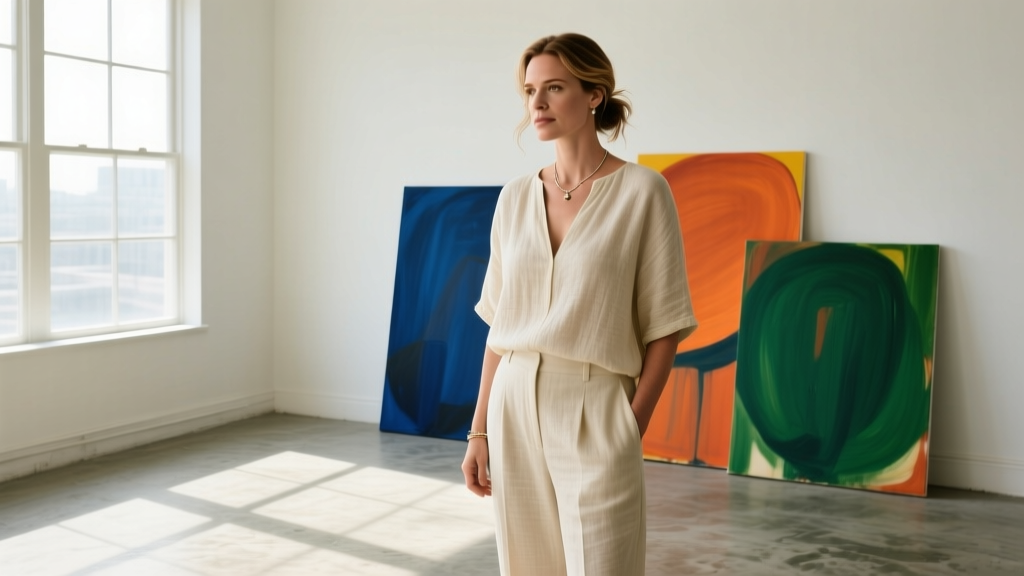
Before she was an abstract expressionist painter and fashion designer, she was a sought-after Hollywood actress. Born into a creative family—her father was a French painter and her mother a screenwriter—her transition back to the visual arts was less of a departure and more of a homecoming. When celebrities retire, they often pivot to reality television, podcasting, or endless brand sponsorships to maintain their public relevance. She chose the opposite. She stepped out of the spotlight to let her canvas and her clothing line, KiiKii, do the talking. This deliberate withdrawal from the public eye has created an aura of exclusivity and authenticity that is incredibly rare in modern celebrity culture.
| Attribute | Details |
|---|---|
| Full Name | Liliane Rudabet Gloria Elsveta Sobieski |
| Born | June 10, 1983 (New York City) |
| Nationality | American |
| Known For | Acting, Visual Arts, Fashion Design (KiiKii) |
| Social Media Handles | Largely Private / Portfolio-Focused |
The Digital Footprint: Privacy as a Personal Brand
In an era where influencers and celebrities treat their social media bios as SEO-optimized billboards, her approach is radically different. She does not maintain a hyper-active, verified public Instagram account filled with sponsored posts, behind-the-scenes selfies, or lengthy emotional captions. Instead, her digital footprint is defined by its scarcity. By refusing to participate in the daily content grind, she has positioned herself as a serious visual artist rather than a former child star trying to stay relevant.
From a branding perspective, this is known as the 'mystique strategy.' When you limit access to your daily life, the audience places higher value on the work you actually choose to share. Her 'bio' is not a list of past acting credits or a string of emojis; her bio is her gallery exhibitions and her fashion lookbooks. For creators, artists, and professionals who want to be taken seriously in a new field, this is a vital lesson: your past accolades do not have to define your current digital identity. You are allowed to curate a digital footprint that reflects who you are today, not who you were a decade ago.
Social Media Presence and the Minimalist Bio Strategy
While many actors use their Instagram bios to list their representation, their latest projects, and their charitable affiliations, the minimalist bio strategy relies on extreme brevity. If a prominent artist or designer were to adopt a similar social media presence, their bio would strip away the noise. Here is how the 'anti-influencer' bio structure works in practice:
- No Emoji Clutter: Avoiding flags, sparkles, and pointing fingers. The aesthetic is clean, editorial, and serious.
- Current Identity Only: Omitting 'Actor' or 'Star of [Movie]' to force the audience to engage with the current profession (e.g., 'Visual Artist' or 'Designer').
- The Portfolio Link: Instead of a Linktree packed with affiliate links, podcast interviews, and merch stores, the bio link directs to a single, beautifully designed portfolio site (like a Squarespace or Cargo gallery).
- Location as Grounding: Simply stating 'New York' or 'Paris' to establish a physical presence in an art hub without oversharing personal movements.
This strategy signals to the audience that the creator is focused on their craft, not on their engagement metrics. It filters out casual gossip-seekers and attracts gallery owners, collaborators, and genuine art collectors.
Personal Branding Takeaways for Your Own Profile
You do not need to be a former Hollywood star to apply these principles to your own Instagram, LinkedIn, or personal website. Here are the core takeaways you can implement today:
1. The Power of Omission
When writing your bio, resist the urge to list every job you have ever had. If you are transitioning from a corporate career to freelance graphic design, you do not need to keep your old corporate title in your bio 'just in case.' Omit the past to make room for your future. A clean, focused bio tells visitors exactly what you do now and what they can hire you for today.
2. Let Your Portfolio Act as Your Bio
If you are a visual creator, writer, or designer, your pinned posts and your link-in-bio should do the heavy lifting. Use your bio text strictly for your current title and location. Let the first three images on your grid serve as your visual resume. This is exactly how high-end artists and boutique fashion brands operate on social media.
3. Pivoting Without Apologizing
One of the most difficult aspects of personal branding is the 'pivot.' When you change careers, audiences can feel confused or alienated. The lesson from her transition is to pivot with absolute confidence. Do not write long posts apologizing for changing directions or over-explaining your new passion. Simply update your bio, change your profile aesthetic to match your new industry, and start posting your new work. Confidence in your new direction will eventually win over your audience.
Career Highlights and Artistic Reinvention
Understanding the foundation of her brand requires looking at the sheer scale of the career she walked away from, which makes her current artistic privacy even more impactful.
- 1998 - Deep Impact: Breakout role in the massive sci-fi disaster film, establishing her as a leading young talent in Hollywood.
- 1999 - Eyes Wide Shut & Never Been Kissed: Starred in Stanley Kubrick’s final film alongside Tom Cruise and Nicole Kidman, while also headlining a major teen comedy.
- 1999 - Joan of Arc: Earned an Emmy nomination for her powerful portrayal of the historical figure in the CBS miniseries.
- 2001 - The Glass House: Anchored this psychological thriller, further cementing her status as a versatile dramatic actress.
- 2012 - The Pivot: Officially retired from acting to focus on her family and her passion for painting and sculpture.
- 2015-Present - KiiKii & Fine Art: Launched her clothing line and began exhibiting her large-scale abstract expressionist paintings in New York galleries, successfully rebranding from actress to visual artist.
Sources and Further Reading
The analysis of her career transition and filmography is supported by her comprehensive industry profiles. For a detailed look at her acting credits and early career milestones, refer to her official IMDb profile. Additionally, her biographical data and timeline of retirement are well-documented in her Wikipedia biography, which tracks her successful shift from mainstream cinema to the New York fine art scene.