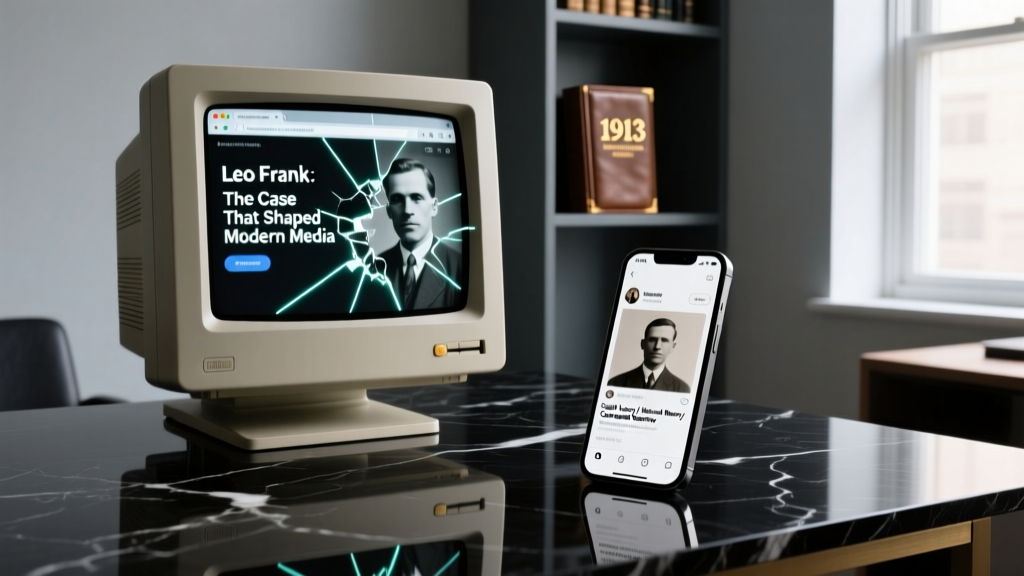
When we discuss personal branding and digital footprints on lovemebio.com, we typically focus on living influencers, entrepreneurs, and celebrities crafting their Instagram bios. However, examining the posthumous brand and historical narrative of Leo Frank offers a profound masterclass in crisis communication, media manipulation, and legacy management. Leo Frank, a Jewish-American factory superintendent in Atlanta, Georgia, became the center of one of the most infamous and tragic legal cases in American history. While he never had a social media profile, his modern digital footprint across historical archives, true crime communities, and civil rights platforms provides vital lessons on how narratives are shaped, destroyed, and reclaimed. In this pros, cons, and critical review, we analyze the digital legacy of Leo Frank and what modern personal branding can learn from historical media sensationalism.
Quick Facts: The Man Behind the Legacy
| Attribute | Details |
|---|---|
| Full Name | Leo Max Frank |
| Born | April 17, 1884 (Cuero, Texas) |
| Nationality | American |
| Known For | The 1913 Mary Phagan murder case, wrongful conviction, 1915 lynching, and serving as the catalyst for the Anti-Defamation League (ADL). |
| Social Media Handles | N/A (Historical Figure) - Legacy actively managed and discussed by @adl_national, @georgiaencyclopedia, and various historical true crime platforms. |
The Historical Brand of Leo Frank
To understand the digital footprint of Leo Frank today, we must first analyze his historical 'brand' in 1913. Frank was an educated, Northern, Jewish industrialist managing the National Pencil Company in Atlanta. In the deeply segregated and antisemitic South of the early 20th century, his demographic profile made him an easy target for populist resentment. When 13-year-old Mary Phagan was found murdered in the factory, the local media—most notably the sensationalist newspaper The Atlanta Georgian, owned by William Randolph Hearst—weaponized Frank's identity. They crafted a narrative of the 'corrupt Northern outsider' preying on Southern working-class youth.
From a modern public relations perspective, Frank's crisis management was severely hindered by the era's 'yellow journalism.' He lacked the direct-to-audience channels we have today, like an Instagram bio or a Twitter feed, to clarify his stance or humanize his character. His brand was entirely hijacked by populist politicians like Tom Watson, who used the media to incite public fury, ultimately leading to Frank's wrongful conviction and subsequent lynching by a mob in 1915. The historical branding of Leo Frank is a stark reminder of what happens when an individual loses control of their narrative to sensationalist media ecosystems.
Digital Footprint & Social Media Presence
How does a historical figure who died over a century ago maintain a 'social media presence'? Today, the digital legacy of Leo Frank is highly fragmented, living primarily in three distinct online spheres:
- True Crime Communities (TikTok & YouTube): The Leo Frank case is a staple in the true crime genre. Content creators frequently use his story to discuss wrongful convictions, forensic failures, and the dangers of mob mentality. However, the algorithmic nature of TikTok and YouTube Shorts often reduces complex historical nuances to 60-second clickbait, sometimes blurring the lines between established historical consensus and lingering conspiracy theories.
- Educational & Civil Rights Platforms (Instagram & X): Organizations like the Anti-Defamation League (ADL)—which was founded in direct response to the antisemitism surrounding the Frank trial—use their social media channels to educate followers about the case. Here, Frank's 'bio' is presented accurately as a martyr of injustice and a pivotal figure in the fight against hate groups.
- Historical Archives & Wikipedia: Digital encyclopedias like the New Georgia Encyclopedia serve as the 'verified badge' for Frank's history. These platforms combat the SEO-driven misinformation that occasionally surfaces on fringe forums.
Unlike modern celebrities who curate their own Instagram bios, Frank's digital bio is crowdsourced and constantly contested. His online presence is a battleground for media literacy, proving that once a narrative enters the public consciousness, it requires perpetual defense and contextualization.
Pros & Cons of the Leo Frank Historical Narrative
When reviewing how the Leo Frank case is branded and discussed in modern media, there are distinct advantages and drawbacks to how his legacy is handled online.
Pros
- Catalyst for Civil Rights Education: The digital preservation of Frank's story serves as a powerful educational tool. The ADL's online resources use his case to teach modern audiences about the origins of systemic antisemitism and the importance of due process.
- Media Literacy Case Study: Journalism schools and digital literacy advocates frequently cite the 1913 media circus as the ultimate example of why consumers must verify sources. Frank's story is a historical anchor for teaching people how to spot 'fake news' and emotional manipulation in modern social media feeds.
- Symbol of Justice Delayed: In 1986, the State of Georgia issued a posthumous pardon for Frank. Digital campaigns highlighting this pardon offer a narrative of eventual institutional accountability, providing a sense of historical closure.
Cons
- Algorithmic Misinformation: On platforms like Reddit and X, fringe groups still attempt to revive the debunked conspiracy theories of the 1910s. The lack of a centralized 'verified' voice for Frank means his digital footprint is occasionally polluted by hate speech.
- Overshadowing the Victim: True crime branding often focuses heavily on the accused. Critics note that the intense digital focus on Frank's wrongful conviction sometimes marginalizes the tragedy of Mary Phagan, the 13-year-old victim whose own story and legacy are frequently reduced to a mere plot point in Frank's narrative.
- Sensationalism Over Nuance: Social media algorithms reward outrage. Consequently, content creators discussing the case often lean into the macabre details of the lynching rather than the complex socio-political climate of 1913 Atlanta, stripping the event of its necessary historical nuance.
Critical Review: Media Sensationalism vs. Modern Justice
Critically reviewing the Leo Frank case through the lens of modern personal branding reveals a terrifying reality: the mechanics of 'cancel culture' and public shaming have not changed since 1913; only the technology has. In 1913, the printing press and the telegraph were the algorithms that amplified outrage. Today, it is the retweet, the viral TikTok, and the Instagram story.
Frank's inability to counter the false narrative in real-time resulted in fatal consequences. Modern public figures and everyday social media users alike must recognize that the court of public opinion is swift, unforgiving, and often indifferent to factual accuracy. The critical failure of the Atlanta press was their prioritization of engagement (newspaper sales) over truth. When we see modern social media mobs rushing to judgment based on out-of-context video clips or unverified allegations, we are witnessing the digital reincarnation of the Leo Frank media circus. His legacy demands that we approach viral outrage with extreme skepticism and demand rigorous evidence before participating in digital pile-ons.
Personal Branding Takeaways: Managing a Posthumous Legacy
What can lovemebio.com readers and modern professionals learn from a historical figure who never used social media? The posthumous branding of Leo Frank offers three vital takeaways for managing your own digital footprint:
- Control Your Narrative Early: Frank relied on lawyers and corporate spokespeople to speak for him, which alienated the local working-class public. In the digital age, your Instagram bio, LinkedIn summary, and personal website are your direct lines to your audience. Authentic, transparent, and consistent personal branding builds a reservoir of goodwill that can protect you during a crisis.
- The Permanence of the Digital Footprint: The newspaper clippings from 1913 are now digitized and searchable forever. Every tweet, post, and comment you make today becomes part of your permanent historical record. Curate your digital presence with the understanding that future generations will judge your character based on the data you leave behind.
- Beware of Echo Chambers and Outrage Algorithms: Just as the citizens of Atlanta were fed a one-sided, sensationalized narrative, modern social media feeds trap users in echo chambers. A strong personal brand requires media literacy—knowing when to step back, verify facts, and refuse to let algorithms dictate your moral outrage.
Ultimately, the story of Leo Frank is a tragic reminder of the power of the press and the fragility of reputation. By studying his historical 'brand,' we become better equipped to navigate the complexities of our own digital identities.