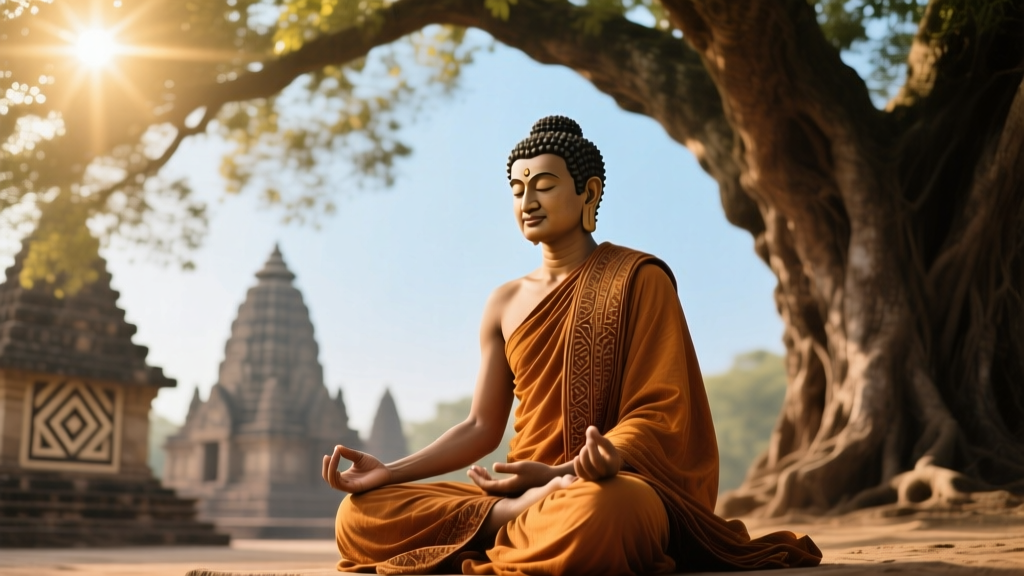
When we think of personal branding, we usually picture modern entrepreneurs, pop stars, or digital creators. Yet, the most enduring and globally recognized personal brand in human history belongs to a man who lived over 2,500 years ago: Lord Siddhartha. Before he was known as the Buddha, Siddhartha Gautama was a prince who abandoned a life of extreme luxury to seek ultimate truth. Today, his teachings on mindfulness, peace, and detachment form the bedrock of a multi-billion-dollar global wellness industry. But how does the original architect of enlightenment compare to the modern spiritual gurus and wellness brands that dominate Instagram and TikTok today? In this comparison and alternatives analysis, we will deconstruct the personal brand of Lord Siddhartha, examine his digital footprint through modern proxy accounts, and extract actionable bio and branding lessons you can apply to your own social media presence.
The Origin Story: Deconstructing the Lord Siddhartha Narrative
Every great personal brand needs a compelling origin story, and the narrative of Lord Siddhartha is arguably the most powerful in history. Born into the Shakya clan in Lumbini, his early life was defined by extreme material wealth and sheltered luxury. His father, King Suddhodana, attempted to shield him from the suffering of the world. However, the famous 'Four Sights' (an old man, a sick man, a corpse, and an ascetic) shattered this curated reality. This pivot from extreme materialism to extreme asceticism, and finally to the 'Middle Way,' provides a masterclass in narrative authenticity. Modern influencers often manufacture struggle to appear relatable. Lord Siddhartha’s brand was built on the genuine, radical rejection of his own privilege to solve a universal human problem: suffering. According to historical analyses from Britannica, this unwavering commitment to his core mission is what allowed his teachings to survive millennia without the need for paid advertising.
Quick Facts: The Historical & Digital Profile
| Attribute | Details |
|---|---|
| Full Name | Siddhartha Gautama (The Buddha) |
| Born | c. 563 BCE (Lumbini) |
| Nationality | Ancient Indian / Shakya Republic |
| Known For | Founding Buddhism, The Four Noble Truths, Mindfulness |
| Social Media Handles (Digital Proxies) | @dalailama, @mindful, @buddhism_now, @thichnhathanh |
Social Media Presence: The Digital Footprint of Enlightenment
While Lord Siddhartha does not possess a verified Instagram account, his digital proxy presence is staggering. The 'brand' of the Buddha is maintained by global monastic orders, mindfulness apps, and cultural institutions. If we analyze the social media handles that serve as his modern digital proxies—such as the Dalai Lama’s official pages, global mindfulness networks, and Buddhist publication accounts—we see a highly specific aesthetic and engagement strategy.
The visual branding is overwhelmingly minimalist. Unlike the hyper-stimulating, fast-paced video content of modern life coaches, pages dedicated to Lord Siddhartha’s teachings rely on negative space, calming earth tones, and static typography. The bio structures of these proxy accounts rarely focus on the individual running the page; instead, they focus entirely on the utility provided to the follower. A typical bio reads: 'Sharing the timeless wisdom of the Buddha for modern peace of mind.'
Engagement on these pages is driven by 'saveable' and 'shareable' content. Quotes from the Dhammapada formatted as simple text graphics generate massive reach because they offer immediate psychological relief to doom-scrolling users. The follower engagement here is not based on parasocial worship of a guru, but on the practical application of the philosophy.
Comparison Analysis: Lord Siddhartha vs. Modern Wellness Alternatives
To truly understand the genius of the Buddha’s personal brand, we must compare it to the modern alternatives that have attempted to package and sell his discoveries. Today’s wellness industry is filled with 'modern gurus,' manifestation coaches, and luxury mindfulness retreats. How do these alternatives stack up against the original teachings of Lord Siddhartha?
1. Ego vs. Ego-Dissolution: Modern spiritual influencers often build their brands around their own enlightened status. Their bios highlight their certifications, their best-selling books, and their exclusive retreats. The brand is inherently ego-driven. In stark contrast, the core tenet of Lord Siddhartha’s brand is Anatta (non-self). The Buddha explicitly instructed his followers not to worship him, but to test his teachings like gold in a fire. A personal brand built on dissolving the ego is paradoxically more magnetic and trustworthy than one built on inflating it.
2. Material Attachment vs. Letting Go: The modern wellness alternative often equates spiritual growth with material acquisition—buying the right crystals, subscribing to the premium meditation app, or attending a $5,000 silent retreat in Bali. Lord Siddhartha’s brand messaging is radically anti-consumerist. His 'product' was entirely free and required only internal discipline. As noted in sociological studies on modern Buddhism by Pew Research, the tension between ancient asceticism and modern consumerism remains a defining challenge for contemporary spiritual brands.
3. Complexity vs. The Middle Way: Many modern life coaches rely on complex, multi-step frameworks, proprietary jargon, and exclusive 'secrets' to gatekeep their knowledge. Lord Siddhartha’s messaging was radically accessible. The Four Noble Truths and the Eightfold Path are structured with the clarity of a perfect elevator pitch. He diagnosed the problem (suffering), identified the cause (attachment), offered a cure (cessation), and provided a step-by-step methodology (the path). This structural simplicity is a branding triumph that modern alternatives frequently overcomplicate.
Core Brand Pillars: Why the Message Outlasts Trends
Why has the brand of Lord Siddhartha survived for over two and a half millennia, while modern wellness brands burn out in a few years? The answer lies in three unshakeable brand pillars:
- Radical Authenticity: He did not claim to be a god; he claimed to be an awakened human. This positions the brand as attainable rather than mythical.
- Consistency of Message: Whether speaking to a king or a beggar, the core message remained the same. There was no pivoting to chase trends or appease different demographics.
- Community Decentralization: Before his passing, Lord Siddhartha refused to name a single successor, instead telling his followers to be 'a lamp unto themselves.' By decentralizing the brand and making the community (the Sangha) the custodians of the message, he ensured the brand could not be destroyed by the failure of a single leader. Modern publications like Lion's Roar frequently highlight how this decentralized approach is the exact model modern open-source communities and decentralized digital brands strive to emulate today.
Personal Branding Takeaways for Your Own Bio
You do not need to be a spiritual leader to apply the branding genius of Lord Siddhartha to your own Instagram, TikTok, or LinkedIn profile. Here is how you can translate ancient wisdom into modern bio optimization:
1. Focus on Utility Over Ego: Look at your current bio. Does it list your accolades, or does it tell the user how you can help them? Shift your bio from 'I am an award-winning consultant' to 'Helping founders scale without burnout.' Channel the Buddha’s focus on solving the user's 'suffering' (pain points).
2. Embrace Minimalist Aesthetics: The most powerful personal brands do not need to shout. Clean up your profile grid, use a high-quality, uncluttered profile picture, and utilize negative space in your graphics. Let your message breathe.
3. Structure Your 'Elevator Pitch': Mimic the Four Noble Truths in your content strategy. Clearly define the problem your audience faces, explain why it happens, present your unique solution, and give them actionable steps to achieve it. Clarity always converts better than cleverness.
4. Build a Decentralized Community: Don't make your brand entirely dependent on your daily posting. Create resources, templates, and community spaces (like Discord or broadcast channels) that allow your followers to support and teach each other, ensuring your brand's value outlasts your daily activity.
Ultimately, the enduring legacy of Lord Siddhartha proves that the most powerful personal brands are not built on hype, aesthetics, or ego. They are built on a relentless commitment to solving a fundamental human problem with clarity, authenticity, and grace. By stripping away the noise and focusing on genuine value, you can craft a digital presence that resonates just as deeply today.