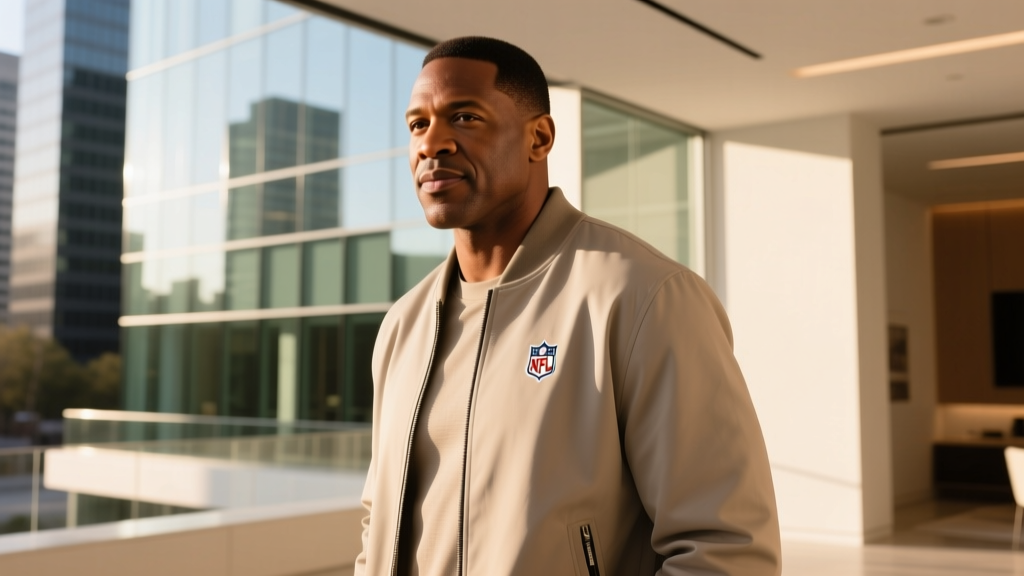
When you hear the name Marcus Allen, you immediately think of football royalty, iconic Super Bowl runs, and a seamless transition into sports broadcasting. But beyond the gridiron and the television studio, Allen represents a masterclass in legacy personal branding. For legacy sports figures transitioning into media, the social media bio serves as a digital business card that must bridge past athletic glory with current intellectual authority. In this expert analysis, we break down the digital footprint of the Pro Football Hall of Famer, examining how he curates an online persona that commands respect. Whether you are an entrepreneur, a corporate executive, or a creative professional, understanding the mechanics of a high-status bio is crucial for building a personal brand that ages gracefully and projects undeniable authority.
Quick Facts: The Marcus Allen Legacy
| Attribute | Details |
|---|---|
| Full Name | Marcus LeMarr Allen |
| Born | March 26, 1960 (San Diego, California) |
| Nationality | American |
| Known For | NFL Hall of Fame Running Back, Heisman Trophy Winner, Sports Broadcaster |
| Primary Digital Focus | Legacy Sports Branding, Media Appearances, Philanthropy |
Career Highlights: Building the Foundation of Authority
To understand a personal brand, you must first understand the raw material it is built upon. Marcus Allen’s digital authority is rooted in a resume that very few individuals in sports history can match. Before analyzing his social media strategy, we must acknowledge the pillars of his career that give his online bio its weight.
- Collegiate Dominance: Won the Heisman Trophy in 1981 while playing for the USC Trojans, establishing himself as a premier national talent.
- NFL Stardom & Super Bowl MVP: Drafted by the Los Angeles Raiders in 1982, Allen quickly became a superstar. His legendary 74-yard touchdown run in Super Bowl XVIII earned him the game's MVP award and cemented his place in NFL folklore.
- Resilience & Reinvention: After a highly publicized contract dispute and benching in Los Angeles, Allen signed with the Kansas City Chiefs in 1993. He immediately revitalized his career, winning the NFL Comeback Player of the Year award and leading the Chiefs to the AFC Championship game.
- The Broadcasting Pivot: Following his retirement, Allen transitioned into television, working as an analyst for CBS Sports, ESPN, and the NFL Network. This pivot is critical to his modern personal brand, shifting his public identity from "athlete" to "intellectual sports authority."
These achievements, documented extensively by the Pro Football Hall of Fame and NFL.com, provide the ultimate leverage for his social media profiles. When your offline resume is bulletproof, your online bio doesn't need to rely on gimmicks; it simply needs to organize your achievements for maximum impact.
Marcus Allen Social Media Presence & Bio Analysis
Unlike modern Gen-Z athletes who build their brands on TikTok dances or controversial Twitter threads, Marcus Allen’s social media presence follows the "Quiet Confidence" framework typical of legacy sports icons. His digital footprint is curated, professional, and heavily focused on his current role as a media personality and ambassador for the sport.
The Anatomy of a Legacy Bio
When analyzing profiles of high-level sports broadcasters like Allen, the bio structure generally follows a strict, three-tier hierarchy designed for industry insiders, journalists, and fans:
- The Anchor (Past Glory): The first line almost always establishes peak credibility. For Allen, this means utilizing keywords like "Pro Football Hall of Fame," "Super Bowl XVIII MVP," or "Heisman Winner." This immediately tells the user that they are interacting with an elite tier of sports history.
- The Value Proposition (Present Relevance): The second line bridges the past to the present. It highlights his current utility to the public, such as "NFL Analyst," "Broadcaster," or specific network affiliations. This is crucial for legacy figures; it proves they are still active, relevant, and contributing to the cultural conversation.
- The Gatekeeper (Contact & Representation): High-status profiles rarely use calls-to-action like "Click the link below!" Instead, they list management agencies, PR representatives, or booking emails. This creates a psychological barrier of exclusivity, signaling that the individual's time is highly valuable and must be accessed through professional channels.
Visual Branding and Imagery
A bio is only half the battle; the visual assets complete the narrative. Allen’s profile and banner images typically utilize a dual-imagery strategy. The profile picture is often a polished, professional headshot in a suit or studio attire, reinforcing his current identity as a broadcaster and thought leader. Meanwhile, the banner or background image frequently features iconic action shots from his Raiders or Chiefs days. This visual juxtaposition tells a complete story in seconds: I am a legend of the past, and I am an expert voice of the present.
Personal Branding Takeaways for Your Profile
You don't need a Super Bowl MVP trophy to apply the Marcus Allen branding methodology to your own social media profiles. Here is how you can translate legacy sports branding into your own industry:
1. Lead With Your "Hall of Fame" Credential
Whatever your industry, you have a defining achievement. It might be a specific degree, a major project you spearheaded, an award, or a notable past employer. Place this at the very top of your Instagram, LinkedIn, or X bio. Authority is established in the first three seconds of a profile view. Do not bury your biggest win at the bottom of your bio.
2. Master the "Pivot" Narrative
Allen’s brand survived the transition from player to analyst because his bio clearly communicates his current value. If you have changed careers, started a business, or pivoted industries, your bio must explicitly state what you do now. Use the formula: [Past Authority] + [Current Mission]. For example: "Former Wall Street Analyst | Now Helping Tech Startups Scale."
3. Curate Your Visual Real Estate
Stop using casual, unverified, or cluttered images for professional profiles. Adopt the "Studio vs. Action" approach. Use a high-quality, well-lit headshot for your main profile picture to establish trust and professionalism. Use your banner or secondary carousel images to show you "in your element"—speaking on stage, working on a project, or engaging in your craft.
Pro Tips: Applying the Hall of Fame Mindset to Your Bio
To truly elevate your digital presence, consider these advanced, expert-level tips inspired by elite sports branding:
- Eliminate the "Fluff": High-status individuals do not use excessive emojis, motivational quotes, or slang in their primary bios. Stick to clean formatting, standard capitalization, and industry-recognized keywords. Let your achievements do the heavy lifting.
- Leverage the "Verified" Aesthetic: Even if you do not have a blue checkmark, you can mimic the aesthetic of a verified professional by keeping your handle clean (e.g., @FirstLast), avoiding numbers in your username, and ensuring your name field is optimized for SEO (e.g., "Marcus Allen | Sports Analyst").
- Create a Centralized Hub: Legacy brands do not scatter their audience across five different links. Use a centralized, professionally designed landing page (like a custom Linktree or personal website) that directs traffic to your media appearances, booking forms, and featured projects.
- Audit Your Digital Echo: Just as Allen's broadcasting network ensures his past highlights are readily available, you should ensure that Googling your name brings up your best work. Pin your most authoritative posts, articles, or videos to the top of your social feeds so that new visitors immediately see your highest-value content.
Sources & References
This analysis is based on public digital footprints, sports media branding standards, and historical career data sourced from the following institutions:
- Pro Football Hall of Fame: Career statistics, biographical data, and Hall of Fame induction records (profootballhof.com).
- NFL.com: Super Bowl XVIII MVP records and official league broadcasting archives.
- Heisman Trust / USC Athletics: Collegiate achievements and 1981 Heisman Trophy historical data.