
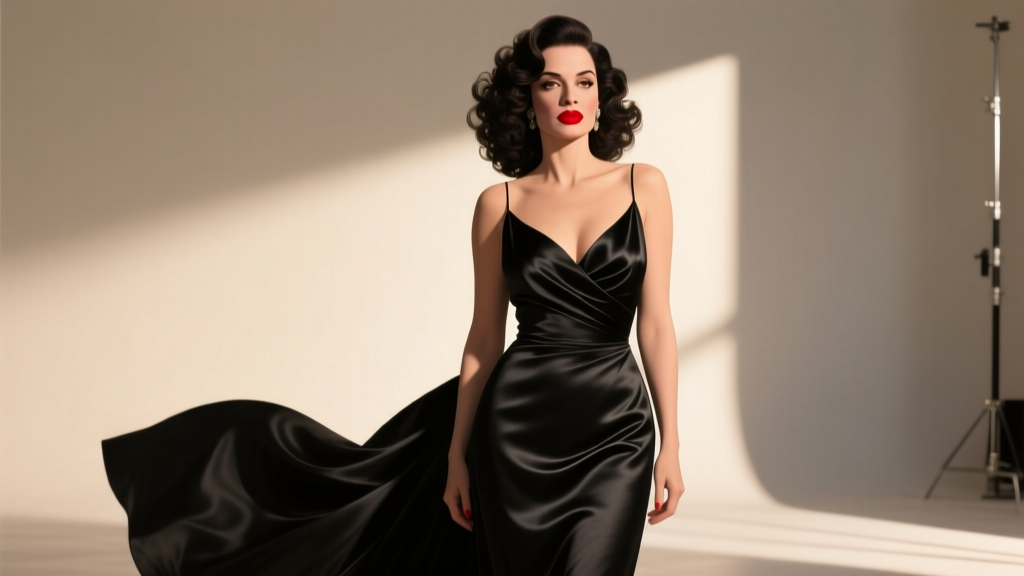
When discussing the architecture of a flawless personal brand, few historical figures command the room quite like Maria Felix. Long before the era of curated Instagram grids, viral TikTok moments, and oversharing, the Golden Age of Mexican cinema star engineered a persona so potent it transcended the silver screen. Known universally as "La Doña," Felix didn't just play fierce, independent women; she lived it, crafting a visual and behavioral blueprint that modern celebrities still attempt to replicate. In this comparison and alternatives analysis, we dissect the enduring brand of Maria Felix, contrasting her timeless mystique with today’s social media strategies to uncover actionable takeaways for your own digital presence and Instagram bio.
Quick Facts: The Life and Legacy of María Félix
| Attribute | Details |
|---|---|
| Full Name | María de los Ángeles Félix Güereña |
| Born | April 8, 1914 (Álamos, Sonora, Mexico) |
| Died | April 8, 2002 (Mexico City, Mexico) |
| Nationality | Mexican |
| Known For | Golden Age Mexican Cinema, "La Doña" Persona, High Jewelry Patronage |
| Digital Presence | Estate-managed archives, global fan curation, high-fashion legacy references |
Filmography & The Foundation of an Icon
To understand the personal brand of Maria Felix, one must look at the characters she chose to embody. Unlike her contemporaries who often played submissive or tragic roles, Felix actively sought out characters that exuded power, danger, and unapologetic autonomy. Her filmography is a masterclass in niche positioning:
- Doña Bárbara (1943): Based on the classic novel, this role cemented her "devourer of men" archetype. It was here that the public began calling her "La Doña," a title she eagerly adopted as her primary brand identifier.
- Enamorada (1946): Directed by Emilio Fernández, this film showcased her striking visual contrast. The cinematography highlighted her piercing gaze, establishing the "defiant stare" that would become her visual trademark in promotional materials.
- Río Escondido (1948): Felix played a rural teacher fighting corrupt local bosses, aligning her personal brand with themes of justice, resilience, and fierce independence.
- La Diabla (1953): A melodrama that leaned heavily into her persona as a woman who uses her beauty and intellect as weapons, further solidifying her niche as the ultimate femme fatale of Latin American cinema.
According to IMDb, her extensive filmography spans over 40 titles across Mexico, Spain, France, and Italy, proving that her brand translated seamlessly across borders and languages.
The Visual Brand: Cartier, Couture, and the Snake
A crucial element of any modern personal brand is the use of visual motifs and signature accessories. For Maria Felix, this was epitomized by her relationship with high jewelry, specifically Cartier. In 1968, Felix famously walked into the Cartier boutique in Paris with a sketch of a snake she had drawn herself. She demanded that the maison create a massive, articulated diamond and gold snake necklace. As documented by Vogue, the resulting 178.21-carat masterpiece became her ultimate brand anchor.
She didn't just wear the snake; she integrated it into her identity. The snake symbolized rebirth, danger, and eternal power—mirroring her public persona perfectly. Today, the "La Dona de Cartier" collection is a direct homage to her, proving that a strong personal brand can literally influence global luxury markets decades after its peak.
Digital Afterlife: Maria Felix on Social Media Today
How does a star who passed away in 2002 maintain a social media presence? Through legacy curation and aesthetic immortality. While she does not have a verified, personally managed Instagram account, searching for Maria Felix on platforms like Instagram and Pinterest reveals a masterclass in visual consistency.
Fan pages, fashion archives, and luxury brands frequently feature her. Her digital "grid" is inherently high-contrast: dramatic black-and-white portraits, bold red lips, sweeping cinematic gowns, and statement jewelry. Unlike modern influencers who dilute their brand with behind-the-scenes clutter, sponsored ads for tea detoxes, or casual mirror selfies, the digital footprint of Felix is strictly curated. Every image uploaded by archivists serves the "La Doña" narrative. Her digital presence relies on scarcity and quality, proving that you do not need to post daily to remain relevant; you only need to post iconically.
Comparison: The "La Doña" Archetype vs. Modern Alternatives
When building a personal brand today, creators and celebrities generally choose between two primary archetypes. Let's compare the Maria Felix approach to its modern alternatives:
Alternative 1: The "Relatable Best Friend" (The Modern Standard)
Most modern influencers and celebrities opt for hyper-accessibility. They share their morning routines, their struggles with mental health, and unfiltered, no-makeup selfies. The Pros: This builds rapid parasocial relationships and high daily engagement. The Cons: It leads to brand fatigue, a lack of mystique, and vulnerability to public cancellation when the "relatable" facade slips.
Alternative 2: The "Curated Enigma" (The Felix Approach)
The closest modern alternatives to the Maria Felix model are stars like Rihanna or Beyoncé. They speak through high-production visuals, business moves, and rare, impactful statements rather than daily tweets. Felix’s brand was built on untouchable elegance and unapologetic boundaries. She famously refused to conform to Hollywood's demands, choosing to work in Europe and Mexico on her own terms. As noted in her New York Times obituary, she was a feminist before the term was widely used, dictating her own contracts and public image. The "Curated Enigma" alternative ages significantly better than the "Relatable" alternative, transforming the individual from a mere celebrity into a timeless icon.
Personal Branding Takeaways for Your Own Bio
What can the modern professional, creator, or aspiring influencer learn from the Golden Age of Mexican cinema? Here is how you can apply the "La Doña" energy to your Instagram bio and digital footprint:
1. Establish a Signature Motif
Maria Felix had the snake. What is your visual or textual anchor? In your Instagram bio, use a consistent emoji or a specific keyword that represents your niche. If you are a tech entrepreneur, perhaps it's a subtle nod to futurism; if you are a fashion curator, a specific aesthetic symbol. Carry this motif through your profile picture, highlight covers, and bio copy.
2. Write Unapologetic Bio Copy
Felix never shrank herself to make others comfortable. Avoid weak, passive language in your bio. Instead of saying "Aspiring writer trying to share my thoughts," use definitive, authoritative statements: "Author. Storyteller. Crafting narratives that challenge the status quo." Claim your space with the same authority Felix used when demanding her Cartier necklace.
3. Embrace Visual Scarcity
You do not need to post every meal or mundane thought to stay relevant. Adopt a "museum curation" approach to your grid. Ensure that every photo you post aligns with the high standard of your personal brand. Let your bio do the heavy lifting by linking to a centralized portfolio or Linktree, keeping your actual social feed pristine and impactful.
4. Define Your Boundaries
Part of personal branding is knowing what you won't do. Felix turned down roles that diminished her stature. In your bio or content strategy, make it clear what your boundaries are. If you are a freelance designer, a simple "Booking Q3. Limited spots available" creates the same aura of high demand and exclusivity that surrounded La Doña throughout her career.
Ultimately, the brand of Maria Felix teaches us that true influence doesn't come from chasing trends or begging for engagement. It comes from an unwavering commitment to your own identity, executed with flawless style and unyielding confidence.