
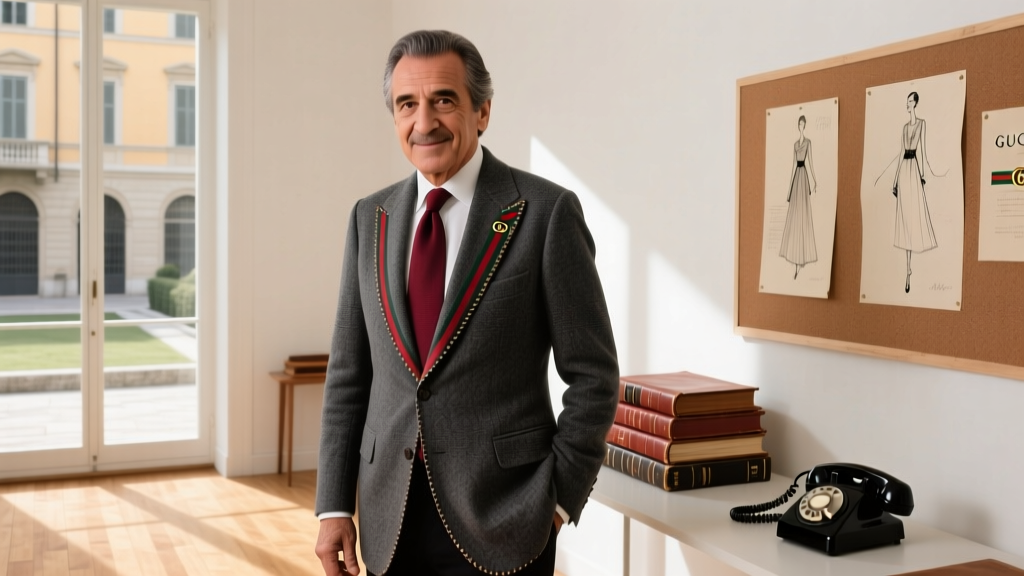
When you study the history of luxury fashion, the name Maurizio Gucci stands out not just for the empire he led, but for the enduring cultural fascination that surrounds his legacy. As the grandson of founder Guccio Gucci and the last family member to helm the iconic fashion house, his story is one of ambition, modernization, and ultimate tragedy. But how does a historical figure who passed away in 1995 offer lessons for modern social media bios and personal branding? The answer lies in the concept of legacy branding.
Even without a personal Instagram account, the digital footprint of the Gucci heritage is meticulously curated today, offering masterclasses in how to build a brand that outlives its creator. In this beginner-friendly explainer, we will decode the business timeline, the posthumous digital presence, and the personal branding takeaways you can apply to your own profile to ensure your personal brand stands the test of time.
Quick Facts: The Man Behind The Motif
| Attribute | Details |
|---|---|
| Full Name | Maurizio Gucci |
| Born | September 26, 1948 (Florence, Italy) |
| Died | March 27, 1995 (Milan, Italy) |
| Nationality | Italian |
| Known For | Modernizing the Gucci brand; The last family head of the fashion house |
| Digital Legacy | Subject of major motion pictures; Central figure in @gucci's archival storytelling |
The Business Timeline: Modernizing A Heritage Brand
To understand the digital legacy of the brand today, we must first understand the business decisions made during his tenure. Maurizio took over the company in the early 1980s after a period of intense family feuding and brand dilution. The Gucci name had been licensed to thousands of cheap products, stripping it of its luxury cachet. Maurizio's primary mission was brand rehabilitation.
He made two pivotal hiring decisions that changed fashion history: he brought in Dawn Mello as creative director to restore the brand's prestige, and later, he backed a young Tom Ford, who injected the brand with modern glamour and provocative sex appeal. Furthermore, Maurizio orchestrated the brand's transition into a publicly traded company and eventually sold his remaining shares to the investment firm Investcorp in 1993. By stepping away, he ensured the brand's survival beyond his family's control, transitioning it from a family business into a global luxury conglomerate. This strategic detachment is a cornerstone of building an immortal brand.
The Maurizio Gucci Digital Legacy & Social Media Presence
Because he passed away long before the advent of social media, analyzing his 'social media presence' requires looking at how his legacy is managed posthumously across digital platforms. Today, his digital footprint is maintained through three distinct channels: the official brand archives, pop culture memes, and the 'Old Money' aesthetic trend on TikTok and Instagram.
1. The Official Archive Strategy (@gucci)
The official Gucci Instagram account frequently utilizes heritage storytelling to build authority. Through hashtags like #GucciArchive and dedicated 'Heritage' campaigns, the brand's social media managers post sepia-toned photography, vintage runway shots from the 1980s, and close-ups of the iconic Flora print. While Maurizio himself isn't always the subject of the photo, the era he helped shape—characterized by the transition from traditional leather goods to high-fashion ready-to-wear—is heavily featured. For social media managers, this proves that historical authenticity is a powerful engagement tool. Followers do not just buy products; they buy into a documented history.
2. The Pop Culture & True Crime Footprint
The 2021 film House of Gucci, starring Adam Driver and Lady Gaga, triggered a massive resurgence in search volume and social media discourse surrounding his life. On TikTok and Instagram Reels, fashion historians and true-crime creators dissected his sartorial choices, his tragic romance, and the business maneuvers that defined his era. His digital 'bio' is now crowdsourced by millions of users who associate his name with the ultimate cautionary tale of wealth, power, and family dynamics. This demonstrates how a personal brand can be reinterpreted by new generations through the lens of modern media.
3. The 'Old Money' Aesthetic
On platforms like Pinterest and TikTok, the 'Old Money' and 'Quiet Luxury' aesthetics frequently reference the 1980s European elite—a demographic Maurizio belonged to and dressed. Vintage Gucci loafers, tailored suits, and minimalist luxury are often pinned to mood boards inspired by his era. His personal style has been abstracted into a digital aesthetic that influencers and everyday users adopt to signal sophistication and timelessness on their own profiles.
Personal Branding Takeaways: Building A Brand That Outlives You
What can a modern professional, creator, or entrepreneur learn from a historical fashion heir? Here are four beginner-friendly takeaways to elevate your own Instagram bio, LinkedIn profile, and overall digital presence.
1. Curate Your Digital Archive (The 'Highlights' Strategy)
Luxury brands use their physical archives to prove their longevity and authenticity. You can do the same on your social media. Use Instagram Highlights or the 'Featured' section on LinkedIn to document your career milestones, past speaking engagements, and foundational projects. Don't just post fleeting daily updates; build a permanent library of your best work. When a potential client or employer visits your profile, they should see a curated museum of your expertise, not just a feed of random thoughts.
2. Establish a Signature Visual Motif
The interlocking 'G' logo and the green-red-green web stripe are globally recognized because they were applied consistently across decades. In your personal branding, consistency is key. Choose a specific color palette, a distinct photography style, or a recurring structural format for your bio and posts. When people scroll past your content, they should instantly recognize it as yours before they even read your name.
3. Embrace Heritage Storytelling in Your Bio
People connect with origins. The Gucci brand constantly references its roots in Florentine leather craftsmanship. In your own bio, don't just list your current job title. Include a brief 'origin story' or core philosophy. For example, instead of just writing 'Graphic Designer,' try 'Translating complex ideas into visual stories since 2015 | Rooted in minimalist design.' Tell your audience where you come from and what foundational values drive your work.
4. Build Institutional Value Over Ego
Maurizio's ultimate business legacy was realizing that for the brand to reach its highest potential, it needed to transcend his family's direct control. He brought in outside visionaries like Tom Ford. As a personal brander, you must eventually build systems, delegate tasks, and create a brand identity that can survive without your constant daily input. Whether you are building an agency, a newsletter, or a content channel, document your processes so your brand can scale beyond your individual limitations.
Sources & Further Reading
- Gucci Official Corporate History - An exploration of the brand's timeline from Florence to the global stage.
- Harper's Bazaar: The History of Gucci - A detailed look at the family dynamics and business shifts of the Gucci empire.
- Forden, Sara Gay. The House of Gucci: A Sensational Story of Murder, Madness, Glamour, and Greed. HarperCollins. (The definitive biographical source on the family's business and personal history).