
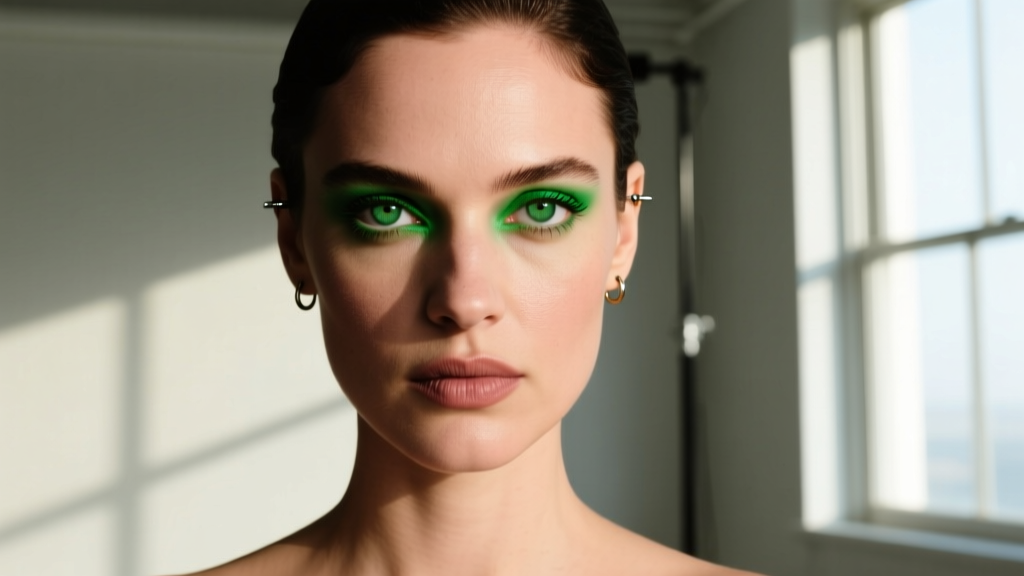
When you think of unforgettable Hollywood visages, Meg Foster immediately comes to mind. Known for her remarkably pale, piercing blue eyes, Foster has carved out a unique space in cinema history, transitioning from a classically trained stage actress to a beloved cult icon of science fiction and horror. But how does a physical trait become a lifelong personal brand? For lovemebio.com readers looking to craft a distinctive online presence, the Meg Foster origin story offers a masterclass in visual branding, niche dominance, and the power of mystique.
The Origin Story: From Yale to Hollywood
Born Margaret Foster on May 10, 1948, in Rowley, Massachusetts, her journey to Hollywood was rooted in rigorous classical training. Foster attended the prestigious Yale School of Drama, a crucible for serious theatrical talent. Her early career was defined by stage work and guest spots on 1970s television, where her intense screen presence quickly set her apart from her peers. Unlike many actors who rely on traditional leading-lady tropes, Foster’s origin story is one of embracing the unconventional. Her striking gaze—often described as hypnotic or unsettling—became her calling card, dictating the types of complex, intense, and often morally ambiguous characters she was offered.
| Quick Facts: Meg Foster | |
|---|---|
| Full Name | Margaret Foster |
| Born | May 10, 1948 (Rowley, Massachusetts) |
| Nationality | American |
| Known For | Piercing pale blue eyes, ‘They Live’, ‘Masters of the Universe’ |
| Education | Yale School of Drama |
| Social Media | No official personal accounts (Legacy & Fan-curated) |
The Trademark: How Meg Foster’s Eyes Defined Her Career
In personal branding, a ‘trademark’ is the visual or thematic anchor that makes you instantly recognizable. For Meg Foster, that trademark is undeniably her eyes. This unique feature famously caused friction early in her television career. In 1982, Foster was cast as Detective Christine Cagney in the groundbreaking series Cagney & Lacey. However, after the pilot and a few episodes, CBS executives reportedly replaced her with Sharon Gless. The network’s alleged reasoning was that Foster and her co-star Tyne Daly came across as ‘too tough’ and ‘too independent,’ with Foster’s intense, unyielding gaze contributing to a persona that network suits deemed too abrasive for mainstream 1980s audiences.
Rather than altering her image to fit a softer mold, Foster leaned into her striking look. This pivot led her to the genre space, where her intense stare was celebrated rather than suppressed. Director John Carpenter cast her as Holly Thompson in the 1988 sci-fi satire They Live. Her ability to convey deep skepticism, intelligence, and subtle menace with a single look made her a perfect fit for the genre. By owning her most polarizing feature, Foster transformed a perceived network television liability into a highly marketable cult cinema asset.
Meg Foster on Screen: Key Career Milestones
To understand her brand, one must look at the filmography that solidified her legacy. Foster’s career highlights showcase a deliberate alignment with roles that required psychological depth and an imposing screen presence:
- Cagney & Lacey (1982): Though brief, her original portrayal of Christine Cagney established her as a fierce, uncompromising presence on television.
- Masters of the Universe (1987): Playing the villainous Evil-Lyn opposite Dolph Lundgren, Foster’s commanding voice and piercing eyes made her a standout in this beloved 80s fantasy adaptation.
- They Live (1988): Her role alongside Roddy Piper and Keith David in John Carpenter’s anti-consumerist masterpiece cemented her status as a sci-fi icon.
- The Minion (1998): A nod to her horror roots, showcasing her willingness to engage with genre fans and B-movie charm.
- 31 (2016): Director Rob Zombie cast her as Venus Virgo, proving that her intense brand of horror acting remained highly sought after by modern auteurs of the macabre.
Social Media Presence: The Power of Mystique
Analyzing Meg Foster’s social media presence requires a paradigm shift. In an era where actors are expected to post daily selfies, behind-the-scenes reels, and highly curated lifestyle content, Foster is entirely absent from official personal social media platforms. She does not have a verified Instagram, Twitter, or TikTok account.
However, her digital footprint is remarkably strong. Her ‘bio’ is maintained through the curation of dedicated fan pages, horror convention circuits, and legacy entertainment databases like IMDb. Fan accounts on Instagram and Facebook regularly post high-definition stills of her from They Live and Masters of the Universe, generating thousands of likes and comments. Her brand relies on mystique. By not overexposing herself on social media, she maintains an aura of classic Hollywood enigma. When she does engage with the public, it is in the highly curated, in-person environment of horror and sci-fi conventions, where she signs autographs, takes photos, and shares stories with her most dedicated fans. Her online presence is a testament to the fact that a powerful visual trademark and a strong body of work can sustain a personal brand long after the promotional tour ends.
Personal Branding Takeaways for Your Own Profile
What can you learn from an actress who built a decades-long cult following without ever posting an Instagram story? Here are the key personal branding takeaways you can apply to your own social media bios and profiles:
1. Identify and Amplify Your Visual Anchor
Meg Foster didn’t try to hide her unusual eyes; she let them become the focal point of her career. Look at your own profile picture and bio. Do you have a visual or thematic anchor? Whether it’s a signature color palette, a specific style of photography, or a distinct emoji combination in your Instagram bio, pick one visual anchor and make it consistent across all your platforms.
2. Embrace Your Niche Over Mainstream Appeal
Foster was rejected by mainstream network television because she was ‘too intense.’ Instead of diluting her brand, she pivoted to sci-fi and horror, where her intensity was a superpower. If your content or professional skills appeal to a specific niche, don’t water down your bio to appeal to everyone. Use industry-specific keywords and unapologetic language that signals to your exact target audience that you are exactly what they are looking for.
3. The ‘Less is More’ Bio Strategy
Foster’s lack of social media overexposure teaches us the value of mystique. You don’t need to put your entire life story in your bio. A minimalist approach—using a high-impact profile photo, a single sharp sentence defining who you are, and one clear call-to-action link—often projects more confidence and authority than a cluttered, desperate-for-attention profile. Let your actual work and content speak for you.
Sources and Further Reading
To dive deeper into the filmography and legacy that built the Meg Foster brand, explore the following resources:
- IMDb (Internet Movie Database): A comprehensive look at her extensive film and television credits, showcasing her transition from drama to cult genre icon. (IMDb Profile)
- Television Academy Foundation Interviews: Oral histories of classic television that provide context on the casting controversies of the 1980s, including the behind-the-scenes shifts of Cagney & Lacey. (Television Academy)
By understanding the Meg Foster origin story, creators and professionals alike can learn that true personal branding isn’t about following the latest social media trend—it’s about identifying your most authentic, striking traits and owning them completely.