When you think of legendary character actors who can seamlessly pivot from slapstick comedy to devastating drama, one name stands out. The Michael McKean origin story is a masterclass in versatility, beginning in the improv theaters of the 1970s and evolving into an Emmy-nominated dramatic powerhouse. Unlike modern celebrities who document every meal online, McKean has built a decades-long career on sheer talent, musical genius, and a deliberately quiet digital footprint. For creators and professionals looking to build a personal brand, his approach offers a refreshing, highly effective alternative to the influencer grind.
The Early Years: From Juilliard to The Credibility Gap
To understand the brand of Michael McKean, you have to look at his foundational years. Born in New York City in 1947, McKean did not take the traditional route to Hollywood fame. He attended the prestigious Carnegie Mellon University before earning a spot at the Juilliard School. This rigorous classical training gave him a deep understanding of character mechanics, timing, and dramatic structure.
However, it was his move to Los Angeles and his involvement in the comedy troupe The Credibility Gap that truly launched his career. It was here that he met fellow comedian and musician Christopher Guest. Their shared love for satirical music and improvisational comedy laid the groundwork for a collaborative partnership that would eventually change the landscape of mockumentary cinema. This origin story highlights a crucial branding lesson: your earliest collaborations often define your long-term professional identity.
Quick Facts: The Man Behind the Characters
| Attribute | Details |
|---|---|
| Full Name | Michael John McKean |
| Born | October 17, 1947 (New York City) |
| Nationality | American |
| Known For | Laverne & Shirley, This Is Spinal Tap, Better Call Saul, Clue |
| Primary Social Handles | Notoriously absent; relies on legacy media and podcasts |
Career Evolution: Mockumentaries, Music, and Dramatic Mastery
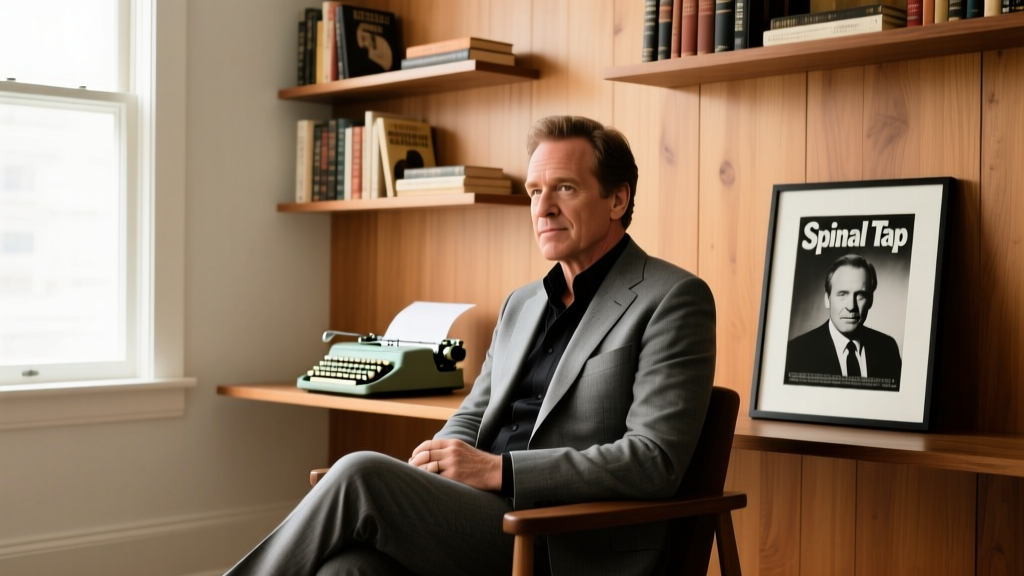
McKean first achieved mainstream television fame playing Lenny Kosnowski on the hit sitcom Laverne & Shirley. But his true cultural impact came from the silver screen. As David St. Hubbins in the 1984 cult classic This Is Spinal Tap, McKean co-wrote and performed music that was so authentic, many audiences believed the band was real. According to film historians and interviews archived by the Television Academy, the improvisational nature of Spinal Tap revolutionized comedy.
He continued to showcase his musical and comedic chops in films like Clue and later in the acclaimed mockumentaries Waiting for Guffman and A Mighty Wind, the latter of which earned him an Academy Award nomination for Best Original Song. Yet, McKean refused to be boxed into comedy. His portrayal of Chuck McGill on the dramatic series Better Call Saul proved his immense range, earning him an Emmy nomination and introducing him to a new generation of viewers who had no idea he was the guy from Spinal Tap.
Analyzing the Social Media Presence of Michael McKean
If you search for a verified, daily-active personal Instagram or X account for Michael McKean, you will come up mostly empty-handed. In an era where actors are expected to be their own PR teams, McKean employs what we call the Ghost Strategy. His digital footprint is not built on selfies, behind-the-scenes reels, or viral dances. Instead, his online presence is curated through high-quality, long-form interviews on popular podcasts and his extensive, well-documented filmography on platforms like IMDb and Wikipedia.
This absence of traditional social media noise actually amplifies his personal brand. When McKean does appear online, it is usually in the context of his work or in deep-dive conversations on shows like Conan O'Brien Needs a Friend. By refusing to engage in the daily social media rat race, he maintains an aura of mystique and prestige. His brand communicates a clear message: I am a working artist, and my portfolio speaks for itself. For fans and industry professionals alike, this makes his rare digital appearances feel like exclusive events rather than obligatory content drops.
Personal Branding Takeaways: The Anti-Influencer Strategy
What can everyday professionals, actors, and creators learn from the digital footprint of Michael McKean? If you are exhausted by the pressure to constantly post on social media, his approach offers a highly effective blueprint for building authority without burning out.
1. Embrace the Minimalist Bio
You do not need a paragraph-long bio filled with emojis and buzzwords. Take a cue from McKean and strip your social media bios down to the essentials. A simple, punchy formula works best: [Primary Profession] | [Notable Achievement] | [Link to Portfolio]. For example, an actor inspired by his style might use: Stage & Screen Actor | Juilliard Alum | Represented by [Agency]. This projects confidence and lets your work do the heavy lifting.
2. Prioritize Long-Form Authority Over Short-Form Virality
McKean builds his modern audience by appearing on long-form podcasts and giving detailed interviews to reputable publications. Instead of chasing 15-second viral trends, focus on guest posting, podcast interviews, or writing detailed articles on LinkedIn. Being a guest on a respected industry podcast builds far more trust and authority than a fleeting viral video.
3. Let Collaborators Amplify Your Brand
Because McKean does not heavily self-promote, his brand is amplified by his collaborators. Christopher Guest, Bob Odenkirk, and Vince Gilligan frequently praise him in interviews. You can replicate this by focusing on being an exceptional collaborator and tagging your peers, directors, and co-founders in your posts. Let your network tell your story for you.
Ultimately, the history and digital strategy of Michael McKean prove that you do not need to be an influencer to have a powerful personal brand. By focusing on undeniable craft and maintaining a touch of mystique, you can build a lasting legacy that resonates far beyond the social media feed.