When you think of the ultimate 1980s teen heartthrob, one name inevitably surfaces: Michael Schoeffling. As the impossibly perfect Jake Ryan in John Hughes' classic film Sixteen Candles, he cemented a legacy that has endured for decades. Yet, unlike his contemporaries who leveraged their early fame into lifelong Hollywood careers or massive social media empires, Schoeffling took a radically different path. He walked away. Today, we explore the fascinating history and origin story of Michael Schoeffling, tracing his journey from a Pennsylvania fine arts student to a global teen idol, and ultimately, to a master carpenter. More importantly, we will analyze his complete rejection of modern social media and what his 'anti-brand' teaches us about the true power of personal mystique in an era of digital oversharing.
The Origin Story: From Fine Arts to Teen Idol
Michael Vincent Schoeffling was born on December 10, 1960, in Wilkes-Barre, Pennsylvania. Unlike many child stars who are pushed into the entertainment industry by stage parents, Schoeffling's entry into the public eye was entirely organic and rooted in the visual arts. He attended Temple University in Philadelphia, where he studied fine arts. It was his striking, classically handsome features that first caught the attention of the fashion world, not Hollywood casting directors.
Before he ever spoke a line of dialogue on screen, Schoeffling was a highly sought-after fashion model. He graced the pages of GQ and became a prominent face for Calvin Klein's fragrance campaigns in the early 1980s. This modeling success provided a bridge to acting. The fashion and entertainment industries frequently overlapped during this era, and his brooding, all-American look made him a prime candidate for the teenage roles that were dominating the box office.
His big break came when legendary director John Hughes cast him as Jake Ryan in the 1984 seminal teen comedy Sixteen Candles. The character of Jake Ryan—the wealthy, sensitive, and impossibly cool high school senior—became the blueprint for the modern cinematic teen crush. Schoeffling followed this up with roles in Vision Quest (1985) alongside Matthew Modine, and later appeared in Cher's film Mermaids (1990). However, despite his undeniable screen presence and skyrocketing fame, the Hollywood lifestyle never truly resonated with his core identity.
The Great Exit: Trading Scripts for Sawdust
The turning point in Schoeffling's life occurred in the early 1990s. After marrying actress Valerie Robinson in 1987 and starting a family, his priorities shifted dramatically. The relentless pace of auditions, the superficiality of the entertainment industry, and the desire for a stable, grounded environment led him to make a decision that baffled his agents and fans alike: he retired from acting.
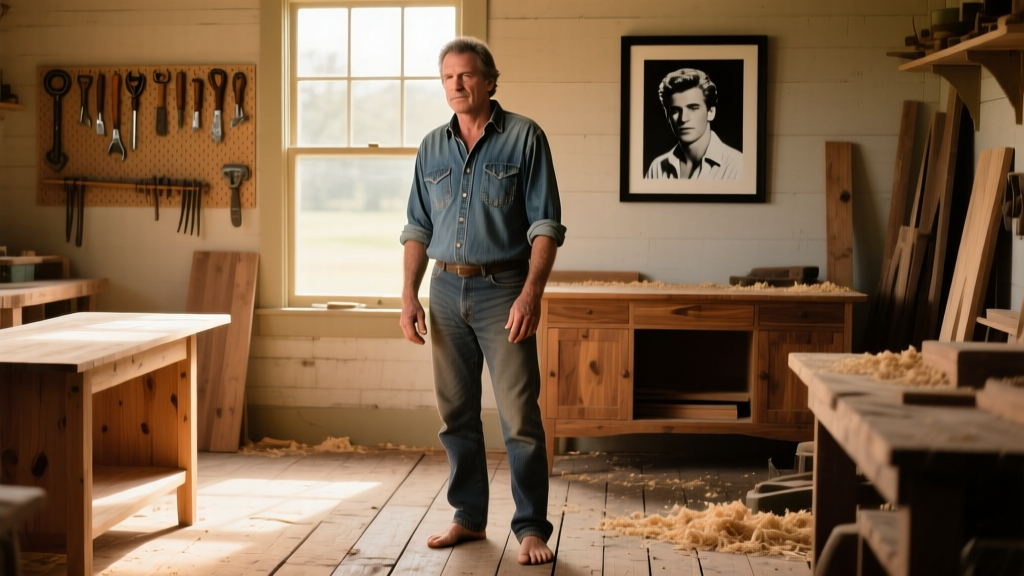
Schoeffling and his family relocated back to his home state of Pennsylvania. Tapping into his original passion for fine arts and working with his hands, he apprenticed as a carpenter. Today, he runs a successful custom furniture and woodworking business. He crafts high-end, bespoke furniture, trading the glare of the paparazzi flash for the quiet, meticulous environment of a woodshop. His transition was not a 'fall from grace' or a result of a lack of opportunities; it was a deliberate, highly intentional pivot toward a life of craftsmanship and privacy.
Quick Facts: The Man Behind the Myth
| Attribute | Details |
|---|---|
| Full Name | Michael Vincent Schoeffling |
| Date of Birth | December 10, 1960 |
| Birthplace | Wilkes-Barre, Pennsylvania, USA |
| Nationality | American |
| Known For | Jake Ryan in Sixteen Candles (1984) |
| Current Profession | Master Carpenter & Furniture Maker |
| Social Media Handles | None (Strictly Private/No Public Accounts) |
Michael Schoeffling's Social Media Presence: The Power of Absence
To analyze Michael Schoeffling's social media presence is to analyze a masterclass in digital absence. In a landscape where celebrities are expected to tweet daily, post Instagram stories from their morning coffee runs, and participate in TikTok trends, Schoeffling has absolutely zero public social media footprint. There is no verified checkmark, no promotional tour for his carpentry business, and no nostalgic throwback posts.
This complete digital blackout has inadvertently created one of the most powerful 'anti-brands' in pop culture. By refusing to participate in the attention economy, he has maintained an aura of mystique that his highly visible peers have lost. When a generation of fans searches for him online, they are met with fan-made tribute pages, Reddit threads debating his whereabouts, and nostalgic YouTube compilations. The scarcity of his image makes his legacy feel more authentic and untarnished by the inevitable missteps of modern internet culture.
The only window the public gets into his world is through his daughter, Scarlett Schoeffling, who has pursued a career in modeling and acting. Scarlett maintains an active Instagram presence, and on rare occasions, she shares glimpses of her family life or pays tribute to her father. For the die-hard fans of Sixteen Candles, Scarlett's profile serves as a proxy connection to the reclusive carpenter, proving that his legacy continues, albeit entirely on his family's terms, not the public's.
Personal Branding Takeaways: What We Can Learn
While most readers of lovemebio.com are looking to build, optimize, and grow their digital presence, Michael Schoeffling's history offers profound, counter-intuitive lessons for personal branding.
1. Scarcity Creates Value
In economics and branding, scarcity drives perceived value. By making himself entirely unavailable to the public, Schoeffling has elevated his status from a 'former actor' to a 'legendary enigma.' If you are a public figure or a freelancer, you do not need to be everywhere all the time. Curating your presence and leaving a little to the imagination can make your actual work and appearances much more impactful.
2. Authenticity Over Algorithms
The most crucial lesson from Schoeffling's origin story is the courage to walk away from a narrative that doesn't fit. Hollywood wanted him to be the perpetual teen idol; he wanted to be a father and a craftsman. When crafting your own bio or brand identity, ask yourself: are you performing for an algorithm, or are you representing your true self? A smaller, deeply engaged audience that connects with your authentic reality is infinitely more valuable than a massive following built on a fabricated persona.
3. The Ultimate Rebrand is a Life Well-Lived
Schoeffling didn't issue a press release when he left acting. He simply started building furniture. His portfolio shifted from IMDB credits to tangible, handcrafted dining tables and chairs. For professionals looking to pivot their careers, let your new work speak for itself. Update your bio to reflect your current passions, and allow the quality of your new output to define your new personal brand.
Sources and Further Reading
- People Magazine: The Cast of Sixteen Candles: Where Are They Now? - Explores Schoeffling's transition to carpentry and his life in Pennsylvania.
- Entertainment Weekly: John Hughes and the Legacy of Sixteen Candles - Details the casting history and cultural impact of the Jake Ryan character.
- The New York Times: Film Review of Mermaids (1990) - Archival coverage of Schoeffling's final major film roles before his departure from Hollywood.