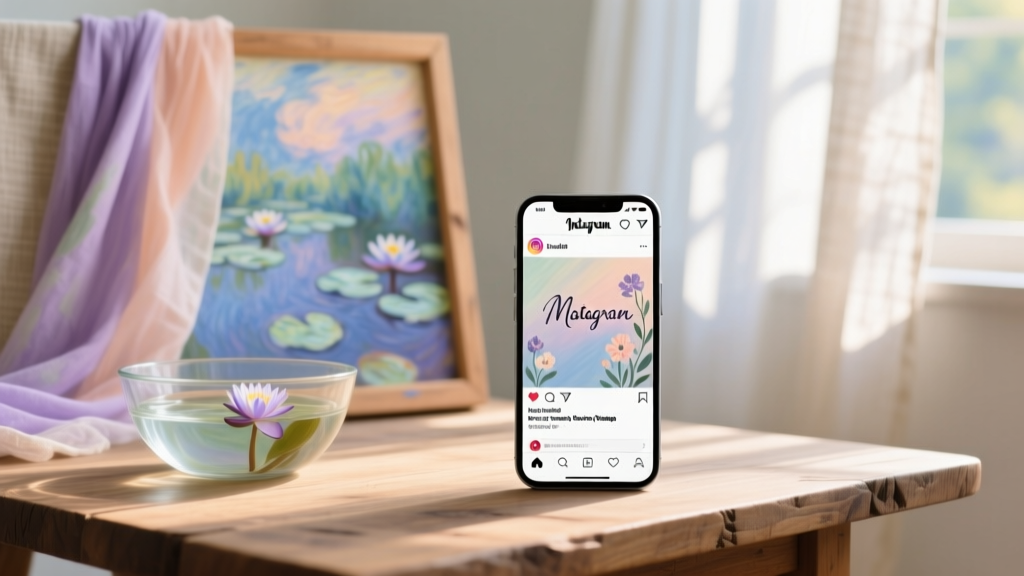
When building a personal brand as a visual artist, photographer, or creative director, studying the enduring appeal of Monet Paintings offers a masterclass in aesthetic consistency. The digital footprint surrounding Monet Paintings is not just about historical archives; it is a blueprint for visual storytelling on platforms like Instagram. In this step-by-step guide, we analyze how the estate and global museums curate this iconic brand online. More importantly, we break down how you can apply these timeless principles to craft a captivating Instagram bio, design a cohesive grid, and build a personal brand that resonates deeply with your audience.
Whether you are a painter, a digital artist, or simply someone who wants a beautifully curated feed, the strategies used to promote impressionist art can transform your profile.
Quick Facts: The Brand Behind the Masterpieces
| Attribute | Details |
|---|---|
| Full Name / Entity | Claude Monet / Monet Paintings Estate |
| Origin / Born | 1840 (Paris, France) |
| Nationality | French |
| Known For | Impressionism, Light Studies, Series Painting |
| Primary Social Hubs | Fondation Monet, Musée Marmottan, Global Art Pages |
The Visual Legacy of Monet Paintings on Social Media
When we discuss the social media presence of Monet Paintings, we are looking at a decentralized brand managed by museums, foundations, and millions of art lovers. Unlike modern influencers who manage a single account, the brand of Monet is a collective effort of institutions like the Fondation Monet in Giverny and the Musée Marmottan in Paris. These institutions use Instagram and Pinterest to showcase high-resolution details, behind-the-scenes restoration, and the lush gardens that inspired the master himself.
What makes this digital presence so distinctive is its unwavering commitment to a specific color palette and mood. Scroll through any major museum's archive of his work, and you are immediately struck by the atmospheric consistency. The soft blues, vibrant greens, and hazy purples create an instant visual recognition. For modern creators, this is the ultimate lesson in niche branding: your audience should know it is your work before they even read your username. The digital curation of his series—such as the Haystacks, the Rouen Cathedrals, and the Water Lilies—demonstrates how grouping content by theme can build a powerful, recognizable portfolio.
Step-by-Step: How to Curate an Impressionist Aesthetic Feed
Translating the genius of impressionism into a modern social media strategy requires a deliberate approach. Here is your practical, step-by-step guide to branding your profile with the same timeless elegance.
Step 1: Define Your Signature Light and Color Palette
Impressionism was all about capturing the changing qualities of light. To apply this to your Instagram grid, you must define your brand's lighting and color grading. Are you drawn to the warm, golden-hour hues of his sunset pieces, or the cool, misty blues of his morning landscapes? Choose two to three core colors and one specific lighting style (e.g., natural diffused light, high-contrast shadows, or soft-focus glow). Apply a consistent preset or editing workflow to every photo you post. This ensures that when a user lands on your profile, they are enveloped in a specific, intentional atmosphere.
Step 2: Craft a Bio That Captures the Mood
Your Instagram bio is the plaque next to the masterpiece. It should be concise, evocative, and clear about what you do. Avoid cluttered lists of emojis. Instead, write a bio that reflects your artistic philosophy. Here are a few examples inspired by the impressionist ethos:
- The Observer: 'Capturing fleeting light in everyday moments 🌿 | Oil & Digital | Paris 📍'
- The Series Creator: 'Exploring the intersection of nature and architecture | New series dropping monthly 🌸'
- The Mood Curator: 'Finding the extraordinary in the hazy in-between | Commissions Open | Portfolio 👇'
Use a clean, aesthetic link-in-bio tool to direct followers to your portfolio, shop, or latest exhibition, keeping the bio text itself uncluttered and poetic.
Step 3: The 'Series' Strategy for Grid Layout
One of the most brilliant branding moves in art history was the creation of the 'series.' By painting the same subject under different lighting conditions, he created a cohesive body of work that demanded to be seen together. You can replicate this on your Instagram grid by planning your posts in blocks of three, six, or nine. Dedicate a week to exploring a single subject, location, or concept from multiple angles. This not only gives you a wealth of content but also creates striking visual rows on your profile grid that encourage new visitors to hit the follow button.
Step 4: Engage Through Atmospheric Storytelling
Use Instagram Stories and Reels to show the 'plein air' process of your life or work. Impressionists painted outdoors, capturing the raw, unfiltered environment. Share behind-the-scenes clips of your studio, the natural light hitting your desk, or the environment that inspires you. Use soft, acoustic, or classical trending audio to match the visual tone. This builds a parasocial connection with your audience, inviting them into the atmosphere you are trying to create.
Social Media Presence: Managing a Masterpiece Brand
Analyzing the official accounts dedicated to his legacy, such as the Fondation Monet, reveals a highly disciplined content strategy. The posting cadence is deliberate, often aligning with the changing seasons in Giverny. In the spring, the feed blooms with tulips and cherry blossoms; in the autumn, it transitions to the fiery oranges and deep reds of the Japanese bridge and surrounding foliage. This seasonal alignment keeps the content fresh while remaining entirely authentic to the brand's core identity.
Furthermore, engagement is driven by educational and emotional storytelling. Captions rarely just state the title and date of a piece. Instead, they tell the story of the artist's struggle with his vision, his letters to fellow artists, or the historical context of the location. For a modern personal brand, this means your captions should do more than describe the image. They should provide context, share a personal anecdote, or ask a thought-provoking question that invites your community into a deeper conversation about the creative process.
Personal Branding Takeaways for Modern Creators
What can a 19th-century painter teach us about personal branding in the digital age? The lessons are profound and highly actionable. First, consistency builds recognition. Just as the brushstrokes are instantly identifiable, your visual and textual branding must have a signature style that cannot be easily replicated. Second, depth beats volume. The 'series' approach teaches us that diving deep into a single niche or subject matter establishes you as an authority, rather than posting random, disconnected content just to meet an algorithm's quota.
Finally, let your environment inform your brand. The gardens at Giverny were not just a subject; they were a curated extension of his artistic vision. Your digital environment—your bio, your highlights, your grid, and your link-in-bio—must be meticulously landscaped to reflect your unique perspective. By treating your social media profile not as a random bulletin board, but as a curated gallery of your life and work, you elevate your personal brand from ordinary to unforgettable.
Sources and Further Reading
To dive deeper into the history, curation, and ongoing legacy of impressionist art, we recommend exploring the following official resources:
- Fondation Monet in Giverny - The official estate and gardens, offering incredible insight into the environmental inspiration behind the art.
- Musée Marmottan Monet - Home to the largest collection of his works in the world, providing masterclasses in visual archiving and exhibition branding.
- The Art Story - A comprehensive resource for understanding the historical context and branding of the Impressionist movement.