In an era where influencers and creators feel compelled to broadcast every meal, thought, and milestone, the late Neil Peart offers a radical masterclass in personal branding: the power of absence. As the legendary drummer and primary lyricist for the progressive rock band Rush, Neil Peart cultivated an aura of intellectual mystique that captivated millions without ever relying on traditional social media. For creators, musicians, and professionals looking to craft a meaningful online identity, Peart’s approach proves that you do not need to overshare to build a devoted, lifelong following. By examining his digital footprint, literary pursuits, and strict personal boundaries, we can uncover profound lessons for your own bio and personal brand.
Quick Facts: The Man Behind The Kit
| Full Name | Neil Ellwood Peart |
| Born | September 12, 1952 (Hamilton, Ontario, Canada) |
| Passed | January 7, 2020 (Santa Monica, California) |
| Nationality | Canadian |
| Known For | Drummer & Lyricist for Rush, Bestselling Author, Motorcycle Touring |
| Nickname | "The Professor" |
| Digital Hub | Rush.com (Archival Newsletters), ECW Press (Publisher) |
The Discography And Bibliography Of A Thought Leader
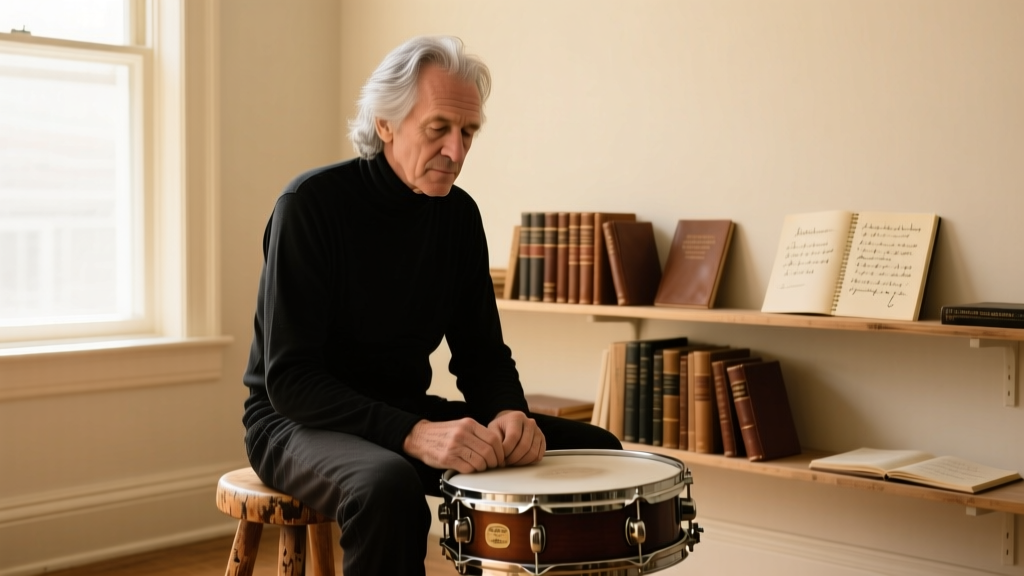
To understand Peart’s brand, one must look beyond the drum kit. While his musical peers were often defined by rock-and-roll excess, Peart branded himself as a lifelong student, earning the nickname "The Professor." His personal brand was deeply intertwined with literature, philosophy, and global exploration. When crafting your own bio, it is crucial to highlight the intellectual or creative pursuits that drive you, not just your job title.
Selected Musical Milestones
- Fly by Night (1975) – His debut with Rush, introducing fantasy and literary themes to the band’s lyrics.
- 2112 (1976) – A sci-fi concept album exploring individualism versus collectivism, heavily influenced by Ayn Rand.
- Moving Pictures (1981) – The commercial breakthrough featuring "Tom Sawyer," cementing his status as a master of complex, yet accessible, time signatures.
- Clockwork Angels (2012) – The final Rush studio album, showcasing a mature, steampunk-inspired narrative.
Published Bibliography
Peart was a prolific author, publishing exclusively through ECW Press. His books were not standard celebrity memoirs; they were deeply introspective travelogues and philosophical essays.
- The Masked Rider: Cycling in West Africa (1996)
- Ghost Rider: Travels on the Healing Road (2002) – A heartbreaking and beautiful account of his motorcycle journey across North America following profound personal tragedies.
- Traveling Music: The Soundtrack to My Life and Times (2004)
- Far and Away: A Prize Every Time (2011)
Neil Peart Social Media Presence: The Art Of Absence
If you search for Neil Peart on Instagram, X (formerly Twitter), or TikTok, you will not find a personal, verified account run by the man himself. Peart famously rejected the spotlight and the transactional nature of celebrity. However, his "anti-social media" strategy is a brilliant case study in owning your narrative through centralized, long-form content.
Long before Substack or Patreon made newsletters a staple of creator branding, Peart utilized the official Rush website to publish his "News, Weather, and Sports" (NWS) updates. These were not quick promotional blurbs; they were sprawling, literary essays detailing his motorcycle tours, his relentless drum practice routines, his love for jazz, and his observations on humanity.
The Branding Lesson: Peart did not fragment his attention across a dozen social platforms. Instead, he drove his most dedicated fans to a single, owned hub (the band’s website) where he could control the format, length, and depth of his message. For modern creators, this highlights the importance of using your Instagram or TikTok bio as a funnel. Your social media bio should not be the final destination; it should be a signpost pointing to your newsletter, blog, or portfolio where your true voice lives.
Following his passing in 2020, the management of his digital legacy has been handled with the same dignity he exhibited in life. Archival releases, publisher updates, and tribute pages maintained by his family and bandmates focus entirely on his art and his words, proving that a brand built on substance outlives the creator.
Real-World Examples: Boundaries As A Branding Tool
One of the most defining aspects of Peart’s personal brand was his strict adherence to boundaries. He famously refused to sign autographs. In a 2006 interview with Modern Drummer and various fan Q&As, he explained that he viewed autograph signing as a degrading, transactional exchange that reduced him to a commodity. Instead, if a fan approached him respectfully while he was on his motorcycle or at a diner, he was known to engage in genuine, polite conversation.
He extended these boundaries to his digital life. He did not do meet-and-greets, he did not engage in internet comment sections, and he did not share photos of his family.
How to apply this to your bio: Setting boundaries in your social media bio is a powerful branding tool that commands respect and filters your audience. Consider adding lines to your bio such as:
- "Not accepting DMs for pitches or promos."
- "Slow to reply; deep in the studio."
- "Read the FAQ before messaging."
By clearly stating what you do not do, you elevate the perceived value of the time and content you do offer. Peart’s boundaries did not alienate his fans; they made his fans respect him more, viewing him as a serious artist rather than a public relations machine.
Personal Branding Takeaways For Your Own Profile
What can a progressive rock drummer who shunned the limelight teach us about crafting the perfect Instagram bio or LinkedIn profile? Here are the core takeaways from the Neil Peart case study:
1. Embrace the "Anti-Bio" Approach
Most bios are a laundry list of past achievements and corporate titles. Peart’s identity was rooted in what he was currently exploring. Instead of just listing your job title, use your bio to highlight your current obsessions. For example: "Software Engineer by day. Currently reading 19th-century maritime history and brewing terrible coffee." This makes you instantly more human and approachable.
2. Cultivate Intellectual Mystique
You do not owe the internet your daily routine. In an age of radical transparency, holding something back creates mystique. Use your social media feeds to showcase your work, your art, and your ideas, but keep your private life private. Let your audience fall in love with your mind and your craft, not your lifestyle.
3. Align Your Aesthetics with Your Intellect
Peart’s brand was incredibly cohesive. If you read his lyrics, his books, or his interviews, the themes of individualism, continuous education, and the romance of the open road were always present. Ensure your profile picture, banner, and bio copy all speak to the same core themes. If your brand is about minimalism and focus, a cluttered bio with twenty emojis contradicts your message.
4. Let the Work Be the Loudest Voice
Ultimately, Neil Peart did not need a viral marketing strategy because his work was undeniable. He practiced tirelessly, reinventing his drumming technique in his 50s by studying under jazz instructor Freddie Gruber. The ultimate personal branding hack is relentless dedication to your craft. When your work is exceptional, your bio merely serves as a polite introduction to a legacy that speaks for itself.
Sources & Further Reading
- Rush.com – Archival "News, Weather, and Sports" newsletters by Neil Peart.
- ECW Press – Publisher archives detailing the release and themes of Peart’s non-fiction travelogues.
- Modern Drummer Magazine – Historical interviews regarding Peart’s philosophy on practice, privacy, and continuous reinvention.