When you think of iconic 1990s and 2000s television comedy, the name Nikki Cox immediately surfaces. From her breakout role as the delightfully unhinged Tiffany Malloy on Unhappily Ever After to her sophisticated turn as Mary Connell on Las Vegas, Cox carved out a unique space in Hollywood. However, in an era where celebrities are expected to broadcast every meal and thought on Instagram, Cox has taken a radically different approach. This critical review examines the pros, cons, and personal branding lessons we can extract from her deliberate digital silence and legacy career.
By stepping away from the relentless Hollywood machine and the social media spotlight, she has inadvertently created a masterclass in digital mystique. For fans of personal branding and bio optimization, analyzing what is NOT there is just as important as analyzing what is. Let us dive into the Nikki Cox profile to see how absence can shape a lasting legacy and what modern creators can learn from the anti-influencer movement.
Quick Facts: The Nikki Cox Dossier
| Attribute | Details |
|---|---|
| Full Name | Nicole Avery Cox |
| Born | June 2, 1978 (Los Angeles, California) |
| Nationality | American |
| Known For | Unhappily Ever After, Nikki, Las Vegas |
| Social Media Handles | Private / Inactive (Legacy Fan Pages Only) |
| Brand Archetype | The Nostalgic Mystique / Digital Minimalist |
Career Highlights: Building a Pre-Social Media Brand
Before the advent of Instagram, TikTok, and personal branding gurus, a celebrity brand was built entirely on screen presence, press junkets, and network promotion. Cox began her career as a child actor, appearing in late 1980s and early 1990s cinema and television. However, her true branding breakthrough happened on The WB network. As Tiffany Malloy, she mastered a specific niche: the sarcastic, scene-stealing best friend with a heart of gold and impeccable comedic timing. Her background in dance often informed her physical comedy, allowing her to stand out in a crowded sitcom landscape.
This role made her a household name among millennials and Gen X viewers. She later transitioned to prime-time drama and comedy with Las Vegas, proving her versatility and ability to anchor a major network ensemble. Her brand was built on tangible talent, physical comedy, and on-screen chemistry, not on viral tweets or sponsored lifestyle posts. This foundational era of her career proves that a strong core product—your actual work and professional output—can sustain a brand for decades, even without daily digital upkeep or algorithmic pandering.
Social Media Presence: Analyzing the Nikki Cox Digital Footprint
How do you analyze the social media presence of a celebrity who essentially refuses to participate? You analyze the vacuum. Searching for Nikki Cox on Instagram or X yields a landscape populated entirely by fan accounts, nostalgia pages, and meme aggregators. From a critical branding perspective, this is a fascinating phenomenon known as decentralized legacy branding.
Because Cox does not maintain a verified, active public profile, her digital footprint is entirely crowdsourced. Fans curate her best 1990s fashion moments, her funniest sitcom reactions, and her classic red-carpet appearances. The pros of this are immense: her brand remains frozen in its most popular era, untouched by the potential missteps, controversial opinions, or overly saturated sponsored posts that plague modern influencers. The cons, however, involve a total loss of narrative control. When a public figure steps away, tabloids and third-party commentators become the sole authors of their ongoing story. For the average social media user, this presents a vital question: do you want to control your daily narrative, or do you want to let your past achievements speak for themselves?
Pros and Cons of the Anti-Influencer Strategy
Let us break down the strategic advantages and disadvantages of adopting a low-profile, privacy-first approach to personal branding in the modern digital landscape.
The Pros of Digital Silence
- Ultimate Privacy and Mental Health: Stepping off the digital hamster wheel eliminates the anxiety of engagement metrics, cancel culture, and public scrutiny. It allows for a separation between the public persona and the private individual.
- The Mystique Factor: In an age of oversharing, silence is a luxury. Absence makes the heart grow fonder, turning past work into beloved nostalgia rather than daily background noise.
- Evergreen Brand Association: Without modern, potentially polarizing posts, her brand remains permanently tied to the beloved characters that made her famous, preserving her legacy in amber.
The Cons of Digital Silence
- Loss of Narrative Control: Without a direct channel to the public, rumors and tabloid stories fill the void, leaving the subject unable to set the record straight in real-time.
- Missed Monetization Avenues: A massive, untapped audience of nostalgic fans exists, but without a direct funnel or link-in-bio, opportunities for direct-to-consumer ventures, podcasts, or memoir releases are much harder to activate.
- Generational Disconnect: Younger demographics who discover her via TikTok edits may not know her full story, reducing a multifaceted career to a ten-second viral meme.
Personal Branding Takeaways: What Your Bio Can Learn
You might not be a 1990s sitcom star, but the Nikki Cox approach to digital privacy offers profound lessons for your own Instagram bio and personal brand. Here is how you can apply the power of digital minimalism to your own profiles to stand out in a noisy feed.
1. The Private Account as a Status Symbol
There is immense power in the padlock icon. If you are a professional, artist, or creator, making your Instagram private and using your bio to direct people to a polished LinkedIn or portfolio website creates an aura of exclusivity. Your bio becomes a velvet rope. Instead of begging for followers, you invite serious inquiries to connect through professional channels.
2. Curated Nostalgia Over Daily Noise
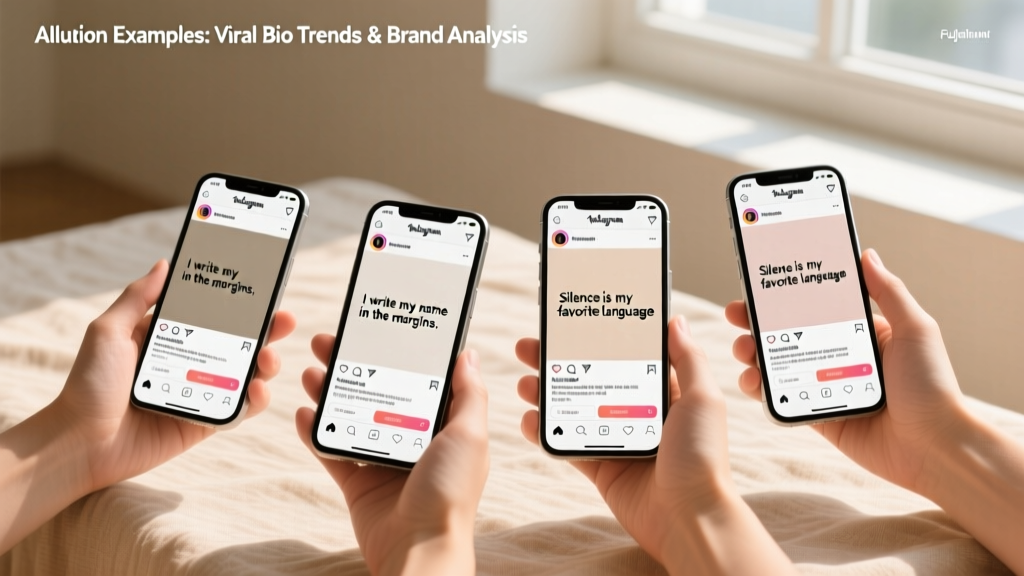
Instead of posting daily stories that dilute your brand, use your bio to highlight your greatest hits. A simple bio line that focuses on your magnum opus tells visitors exactly what you are capable of without requiring you to maintain a grueling content calendar. Let your past wins do the heavy lifting for your current credibility.
3. Let Your Work Be the Brand
Cox proved that if your core work is strong enough, people will remember you for decades. Focus your bio on your tangible achievements, your portfolio links, and your professional affiliations rather than trying to be a full-time influencer. If you are a writer, link to your published articles. If you are a designer, link to your portfolio. The bio should be a directory, not a diary.
Minimalist Bio Templates to Try
Template 1 (The Minimalist): Actor | Writer | Offline. Inquiries: [Email Address]
Template 2 (The Legacy): Known for [Past Major Achievement]. Currently focused on [Current Private Venture].
Template 3 (The Velvet Rope): Digital Minimalist. Portfolio and selected works available below. [Link-in-Bio]
Final Verdict on the Nikki Cox Brand
Ultimately, the Nikki Cox profile teaches us that personal branding is not strictly about volume; it is about impact. While the modern internet rewards constant visibility, there is a compelling, underrated case for digital silence. By retreating from the public eye, Cox has preserved the integrity of her most famous roles and protected her personal life from the relentless gaze of the smartphone era. For those looking to refine their own social media presence, remember that you do not owe the internet your daily routine. Sometimes, the most powerful bio is the one that simply points to your best work and then confidently logs off.