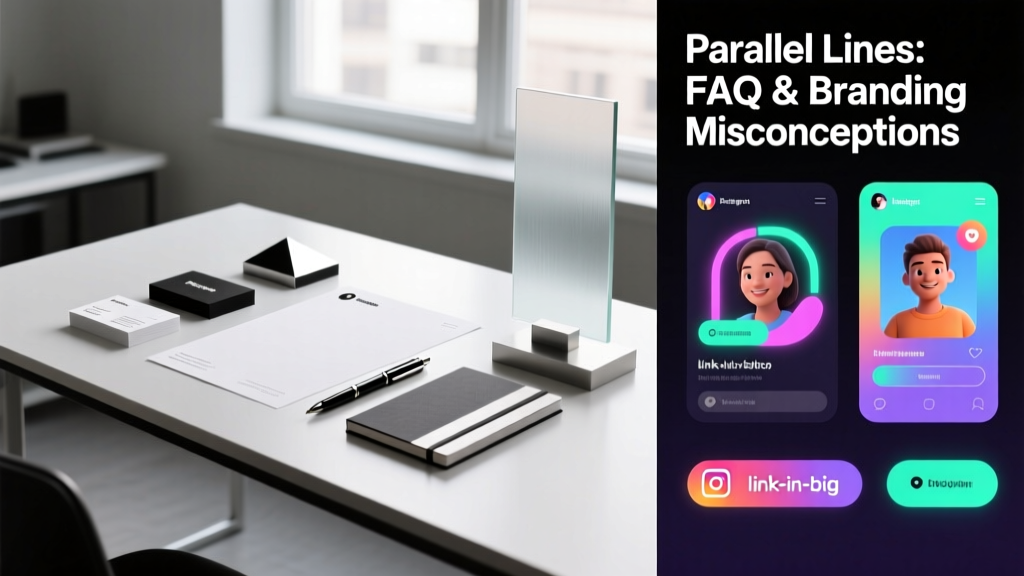
When analyzing iconic personal branding, few names carry the enigmatic weight of Parallel Lines. While a common search query misconception leads some to believe Parallel Lines is a modern, faceless digital influencer or an underground DJ, the truth is far more foundational to pop culture. Parallel Lines is the seminal 1978 album and aesthetic era by Blondie, fronted by the ultimate personal branding pioneer, Debbie Harry. The stark, black-and-white, minimalist branding of the Parallel Lines era did not just change music marketing; it laid the groundwork for the ultra-clean, mysterious social media bios we see on top-tier Instagram profiles today. In this FAQ and misconception-busting guide, we break down the 'Parallel Lines' aesthetic, analyze how this legendary brand maintains its digital presence, and reveal how you can apply these timeless branding rules to your own social media bio.
Quick Facts: The Parallel Lines Brand
| Attribute | Details |
|---|---|
| Entity Name | Parallel Lines (Blondie Era / Aesthetic Brand) |
| Architects | Debbie Harry, Chris Stein, Peter Saville (Reissue Design) |
| Origin Year | 1978 |
| Nationality | American (NYC Punk / New Wave Scene) |
| Known For | Minimalist B&W aesthetic, genre-blending, iconic pop-star branding |
| Official Social Handle | @blondieofficial (Instagram) |
FAQ: Is Parallel Lines a Person or a Masterclass in Branding?
The most frequent question we get in the branding space is whether Parallel Lines is a singular, anonymous digital creator. The short answer is no. However, treating the Parallel Lines era as a masterclass in personal branding is essential for anyone looking to elevate their social media presence. Before 1978, pop-star branding was largely defined by hyper-colorful, chaotic, or overly polished imagery. The Parallel Lines cover art introduced a radical new concept: stark, high-contrast minimalism.
Debbie Harry and the band utilized sharp tailoring, unsmiling mystery, and a strict monochrome palette. This created an aura of untouchable 'cool' that modern influencers, fashion bloggers, and digital artists still desperately try to replicate. When users search for 'Parallel Lines' in the context of social media aesthetics, they are usually looking for the blueprint to this exact vibe: a bio and grid that speaks volumes through restraint rather than clutter.
Social Media Presence: Decoding the Minimalist Aesthetic
Looking at the official digital footprint of the band today (@blondieofficial), we can see how the legacy of the Parallel Lines era continues to dictate their social media strategy. Their Instagram bio is a masterclass in authority. It avoids the desperate use of excessive emojis or cluttered link-trees. Instead, it relies on the sheer weight of their cultural impact, utilizing clean line breaks and directing traffic to a single, unified landing page.
For modern creators trying to emulate the Parallel Lines aesthetic, the social media presence is defined by three pillars:
- The Monochrome Grid: A strict adherence to black, white, and grayscale. This creates a visual 'parallel line' of consistency that stops scrollers in their tracks.
- The Cryptic Bio: Instead of listing every accomplishment, the bio hints at a larger universe. Think of a single lyric, a location coordinate, or a solitary vertical line symbol (|) separating keywords.
- Archival Storytelling: Using Instagram Stories and Highlights not for daily mundane updates, but as curated digital art galleries that reinforce the brand's core aesthetic.
Common Misconceptions About Minimalist & Cryptic Bios
When attempting to channel the iconic Parallel Lines vibe, many users fall into branding traps. Let us debunk the most common misconceptions about minimalist social media profiles.
Misconception 1: Minimalist Bios Are Lazy
The Reality: Crafting a bio that uses only five words to convey your entire personal brand requires significantly more effort than pasting a list of bullet points. The Parallel Lines aesthetic proves that negative space is a design element. A sparse bio signals high status and confidence; it tells the visitor that your visual content and reputation speak for themselves.
Misconception 2: You Must Show Your Face Constantly
The Reality: The original Parallel Lines marketing relied heavily on stylized, obscured, or high-contrast imagery where the 'character' was more important than the raw human. On Instagram, faceless branding or using high-fashion, editorial-style avatars can actually increase intrigue and follower retention, as the audience projects their own ideals onto the brand.
Misconception 3: Vintage Aesthetics Fail on Modern Algorithms
The Reality: Film-grain, 35mm photography, and monochrome grids consistently outperform hyper-edited, AI-generated photos in engagement metrics like 'Saves' and 'Shares.' The algorithm favors content that users perceive as authentic and artistic, which is the exact hallmark of the 1978 new wave aesthetic.
Personal Branding Takeaways: How to Channel the Parallel Lines Vibe
Ready to overhaul your own Instagram or TikTok profile? Here is how you can apply the legendary Parallel Lines branding rules to your personal bio and digital presence today.
- Use the 'Vertical Line' Separator: Ditch the standard emojis in your bio. Use the vertical line ( | ) or the double slash ( // ) to separate your titles. Example: Creative Director | NYC // Archival Fashion. This visually mimics the 'parallel lines' concept while keeping the text incredibly clean.
- Adopt a Uniform Typography Rule: If you use link-in-bio tools or highlight covers, stick to a single, brutalist sans-serif font (like Helvetica, which was heavily favored in late-70s punk and new wave design). Consistency in typography builds instant trust.
- Embrace Duality in Your Content: The genius of the Parallel Lines album was its blending of gritty underground punk with polished mainstream pop. Translate this to your content strategy: mix highly polished, professional portfolio shots with raw, unedited, behind-the-scenes film dumps. This duality keeps your audience engaged and prevents your minimalist brand from feeling robotic.
- The 'One-Link' Rule: Never clutter your bio with multiple URLs. Use a single, custom-branded landing page. The mystery and exclusivity of a single entry point mirror the VIP velvet-rope aesthetic of the 1970s NYC club scene that birthed this entire brand identity.
Real-World Sources & Further Reading
To dive deeper into the history of this iconic branding era and modern bio psychology, we recommend the following resources:
- Rolling Stone: Retrospective on Blondie's Parallel Lines - An in-depth look at how the album shifted pop culture aesthetics.
- The Guardian: Peter Saville and the Art of Minimalist Design - Exploring the graphic design history that influences modern monochrome branding.
- Later Blog: The Ultimate Guide to Crafting a Minimalist Instagram Bio - Actionable tips on using negative space and typography for higher profile conversions.