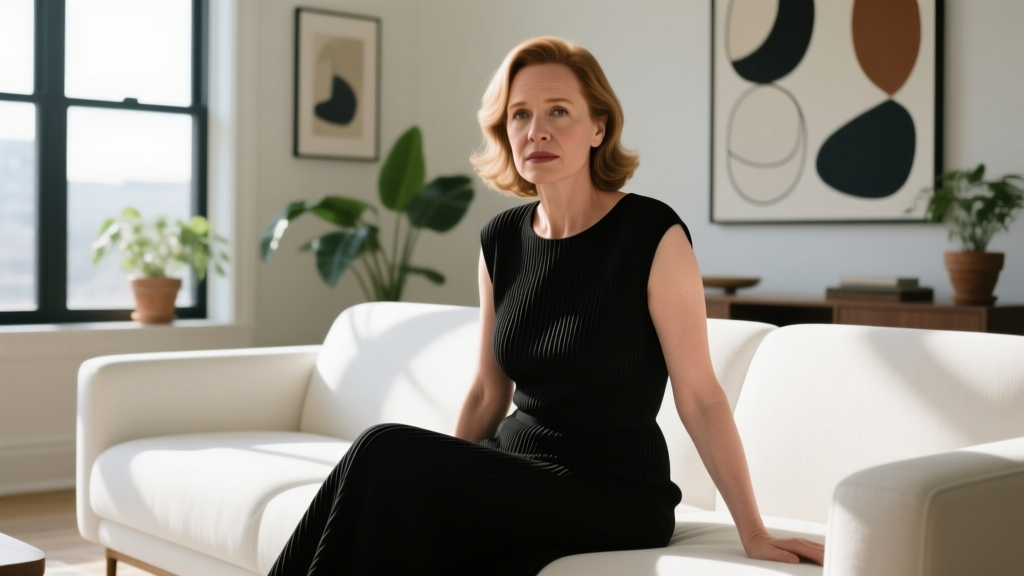
Patricia Clarkson is a masterclass in scene-stealing. From her Emmy-winning turn in Sharp Objects to her iconic supporting roles in The Green Mile and Pieces of April, she has built a formidable legacy in Hollywood. But when it comes to her digital footprint, the acclaimed actress takes a radically different approach than her modern peers. In this critical review, we analyze the pros, cons, and strategic brilliance of Patricia Clarkson's social media presence—or lack thereof. By examining her mystique-first branding, we uncover valuable lessons for anyone looking to refine their own personal brand on Instagram and beyond.
The Enigma of Patricia Clarkson: An Anti-Influencer Approach
In an era where actors are expected to be content creators, TikTok dancers, and constant brand ambassadors, Patricia Clarkson stands apart. She does not maintain a verified, public Instagram account. She does not tweet out daily musings, nor does she participate in viral trends. For a celebrity of her caliber—a Tony nominee, Emmy winner, and Academy Award nominee—this digital absence is striking. Yet, it is precisely this absence that forms the cornerstone of her personal brand. Clarkson’s brand is built on prestige, theatrical roots (she is a Yale School of Drama alumna), and an unwavering commitment to the craft of acting rather than the business of celebrity. By refusing to play the social media game, she forces the public and the press to engage with her strictly through her art.
Quick Facts & Career Highlights
| Full Name | Patricia Davies Clarkson |
|---|---|
| Born | December 29, 1959 (New Orleans, Louisiana) |
| Nationality | American |
| Known For | Sharp Objects, The Green Mile, Shutter Island, The Station Agent |
| Social Media | None (No verified personal accounts; relies on traditional PR) |
Social Media Presence: A Critical Review
When you search for Patricia Clarkson on Instagram or X, you will not find a blue checkmark bearing her name. Instead, you will find a curated ecosystem of fan pages, co-star tributes, and official studio marketing. Her digital presence is entirely mediated through third parties: HBO’s promotional machines for Sharp Objects, indie studio press releases for films like The Station Agent, and high-fashion editorial features.
From a branding perspective, this is a fascinating case study in digital scarcity. In marketing, scarcity drives value. Because fans cannot casually scroll through her morning coffee routine or read her unfiltered opinions, every interview she gives carries immense weight. When Clarkson sits down with NPR or Vanity Fair, audiences lean in. Her words are treated as rare commodities. However, this traditionalist approach to fame is not without its drawbacks in the modern attention economy. Let us break down the pros and cons of this polarizing digital strategy.
The Pros of Digital Minimalism
1. Preserving the Mystique and Character Immersion
The greatest asset for any character actress is the ability to disappear into a role. When an actor overshares their personal life on Instagram, it becomes harder for audiences to believe them as a sinister villain or a quirky neighbor. By keeping her private life entirely offline, Clarkson ensures that when she appears on screen as the terrifyingly manipulative Adora Crellin, the audience sees the character, not the influencer.
2. Immunity to the Oversharing Trap
Social media is a minefield for public figures. A single poorly worded post or an ill-advised live stream can derail a career or spark exhausting media cycles. Clarkson’s digital silence grants her complete immunity from the daily outrage cycle. Her brand equity remains tied exclusively to her critically acclaimed performances, protecting her reputation from the volatility of internet culture.
3. Elevating Prestige Through Exclusivity
Clarkson’s brand aligns perfectly with the archetype of the serious artist. By treating her public appearances as rare, highly controlled events, she maintains an aura of old-Hollywood glamour and intellectual rigor. This exclusivity makes her highly attractive to prestige directors like Martin Scorsese and Todd Haynes.
The Cons of Limited Online Accessibility
1. Lack of Direct Narrative Control
Without a personal platform, Clarkson cannot speak directly to her audience. If a rumor spreads, or if she wants to clarify a stance on an industry issue, she must rely on journalists and publicists to mediate her message. In the age of direct-to-fan communication, surrendering narrative control to third-party media can be a strategic vulnerability.
2. Missed Opportunities for Independent Projects
While HBO and major studios have the budget to market their projects, independent films rely heavily on the cast's social media reach to generate grassroots buzz. By lacking a personal following, Clarkson cannot directly drive her audience to niche theatrical releases, potentially limiting the box office reach of the smaller films she champions.
3. Alienating Algorithmic Discovery
Younger demographics primarily discover new celebrities through algorithmic feeds on TikTok and Instagram Reels. By opting out of these platforms, Clarkson risks becoming invisible to a new generation of cinephiles who may never stumble upon her extensive filmography without the push of a viral digital moment.
Personal Branding Takeaways for Your Profile
You might not be an Academy Award-nominated actress, but there are profound lessons from Patricia Clarkson’s digital strategy that you can apply to your own Instagram bio and personal brand.
1. The Power of the Curated Account
You do not need to post every detail of your life to build a strong personal brand. Consider strictly curating your grid to showcase only your highest-quality work. A bio that says Portfolio below with a link to your professional website often commands more respect than a grid filled with blurry weekend selfies.
2. Let Your Work Speak for Itself
Clarkson’s legacy is built on her filmography, not her follower count. Use your Instagram bio to highlight your actual achievements, skills, and current projects. Instead of using cliché quotes, list your profession, your latest milestone, and a link to your portfolio. Make your profile a digital business card, not a digital diary.
3. Embrace Digital Scarcity
In a world of constant noise, silence can be a superpower. You do not need to post to your Stories five times a day to remain relevant. Posting once a week with high-value, thoughtful content will build a more engaged and respectful audience than spamming your followers with mundane updates. Protect your energy and your mystique.
Conclusion
Ultimately, the Patricia Clarkson approach to personal branding is a masterclass in intentionality. While her lack of social media presence may seem like a disadvantage in the modern digital landscape, it is actually a fiercely guarded boundary that protects her artistry. For those of us looking to refine our own online personas, her strategy offers a refreshing reminder: you do not need to be everywhere to be someone. Sometimes, the most powerful bio is the one that simply points to your work.
Sources:
1. IMDb - Patricia Clarkson Biography and Filmography
2. NPR - Interview on the craft of acting and Sharp Objects
3. Vanity Fair - The Making of Sharp Objects and Scene-Stealing Turns