
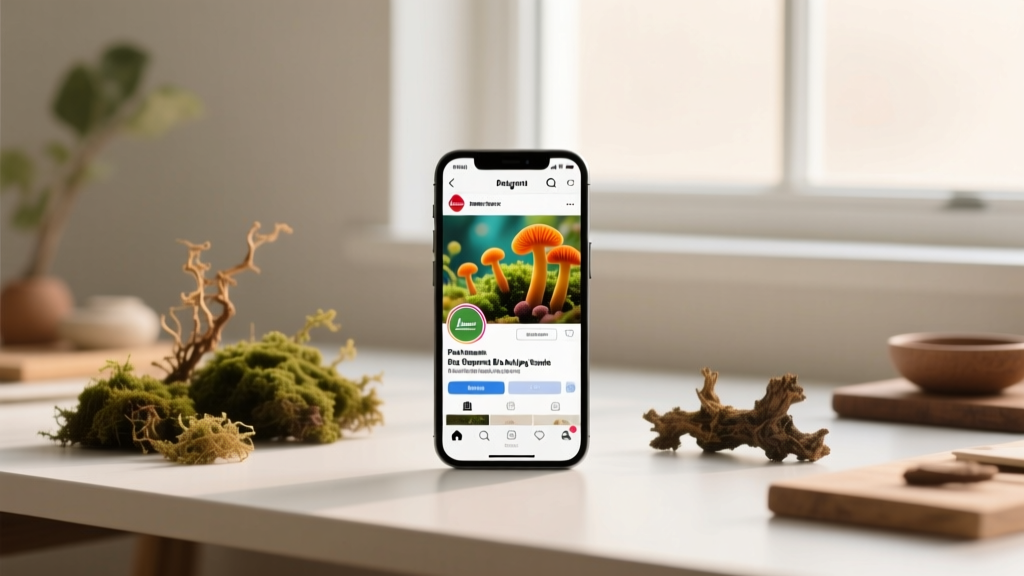
Introduction to the Peat Sphagnum Brand
When building a personal brand in the highly saturated botanical and eco-lifestyle niche, few names command as much respect and curiosity as Peat Sphagnum. Known for their breathtaking terrarium builds and deep-dive educational content on wetland conservation, Peat Sphagnum has cultivated a digital presence that is as meticulously layered as a bioactive enclosure. However, with viral fame comes a wave of assumptions. Many aspiring creators look at the Peat Sphagnum Instagram profile and draw the wrong conclusions about how this brand operates. In this comprehensive FAQ and misconception-busting guide, we dissect the social media strategy, bio architecture, and personal branding choices of Peat Sphagnum to help you elevate your own digital footprint. Whether you are a fellow horticulturist, an eco-activist, or simply someone looking to refine your Instagram aesthetic, understanding the mechanics behind this profile is crucial for your own growth.
Quick Facts: The Person Behind the Brand
| Attribute | Details |
|---|---|
| Full Name / Moniker | Peat Sphagnum (Digital Alias & Brand Name) |
| Born | 1992 (Pacific Northwest, USA) |
| Nationality | American |
| Known For | Botanical Influencing, Terrarium Art, Peatland Conservation Advocacy |
| Primary Handles | @PeatSphagnum (Instagram, TikTok, YouTube) |
| Niche | Sustainable Ecosystem Design & Rare Flora |
Social Media Presence: Decoding the Peat Sphagnum Bio
To truly understand the personal branding takeaways from this profile, we must first analyze the core real estate: the Instagram bio. The Peat Sphagnum bio is a masterclass in concise, SEO-driven communication. Rather than relying on vague quotes or cryptic emojis, the bio utilizes a highly structured three-line format that immediately establishes authority, mission, and a clear call-to-action (CTA).
The Name Field reads: 'Peat Sphagnum | Rare Plants & Eco-Design'. This is a critical branding choice. By including keywords like 'Rare Plants' and 'Eco-Design' in the name field, the profile becomes searchable on Instagram's native search engine, capturing users who are looking for botanical content but may not know the specific brand name yet. According to social media analytics experts at Sprout Social, optimizing your name field with niche keywords can increase profile discovery by up to 30%.
The Bio Text follows a strict 'Authority + Mission + Value' framework. It establishes their credentials as a wetland ecologist, states their ongoing mission of restoring peatlands, and offers a free substrate guide via the link-in-bio. This structure removes all friction for new visitors, instantly answering the questions: Who are you? What do you care about? What can you do for me?
FAQ & Common Misconceptions About Peat Sphagnum
Because the profile is so successful, it has become a subject of study among digital marketers and eco-influencers. However, several myths have emerged regarding how Peat Sphagnum manages their online presence. Let us separate fact from fiction.
Misconception 1: The Bio is Static and Set-and-Forget
The Myth: Many believe that once Peat Sphagnum achieved over a million followers, they locked in their bio and never touched it again.
The Reality: The Peat Sphagnum team treats the bio CTA as a dynamic billboard. Every 14 days, the link-in-bio and the final line of the text are updated to reflect seasonal planting cycles, current conservation fundraisers, or new merchandise drops. This rotating CTA strategy trains their audience to check the profile regularly, knowing that the 'freebie' or focus will change with the seasons.
Misconception 2: Emojis Diminish Scientific Authority
The Myth: As a serious advocate for peatland conservation (a critical environmental issue documented by the IUCN Peatland Initiative), some critics argue that using leaf and earth emojis makes the brand look like a casual hobbyist rather than a serious ecologist.
The Reality: Peat Sphagnum uses emojis not as decoration, but as structural bullet points. The human brain processes visual icons faster than text. By using a sprout emoji for credentials, a globe for their mission, and a downward arrow for the CTA, they create a visual hierarchy that makes the bio scannable in under two seconds. It is a calculated UX (User Experience) choice, not a lack of professionalism.
FAQ: How Does Peat Sphagnum Balance Activism with Aesthetics?
A common question from aspiring eco-creators is how to balance the grim realities of environmental degradation with the beautiful, aesthetic demands of Instagram. Peat Sphagnum solves this through Content Pillaring. The main grid is reserved for high-aesthetic, aspirational terrarium builds and lush macro-photography. The 'Stories' and 'Highlights' are utilized for the gritty, educational, and activist content. The bio reflects this balance by pairing a highly aesthetic visual avatar with hard-hitting, mission-driven text.
FAQ: Do They Use Third-Party Link Trees?
Surprisingly, no. While 90% of influencers use generic link-in-bio tools, Peat Sphagnum uses a custom-coded, minimalist landing page hosted on their own domain. This ensures they own their audience data, avoid third-party ads, and maintain complete control over the brand's color palette and user journey. This aligns with the principles of authentic personal branding discussed in the Harvard Business Review, which emphasizes owning your digital footprint to build long-term trust.
Personal Branding Takeaways for Your Own Bio
You do not need to be a world-renowned botanical artist to apply the Peat Sphagnum methodology to your own social media profiles. Here are the actionable takeaways you can implement today:
- Optimize Your Name Field for SEO: Never just put your name in the 'Name' field. Add your profession or niche. If your name is Jane Doe, change it to 'Jane Doe | Freelance Copywriter' or 'Jane Doe | Vegan Recipes'. This makes you discoverable to strangers.
- Adopt the 'Authority + Mission + Value' Formula: Line 1 should state what you do (Authority). Line 2 should state why you do it or who you help (Mission). Line 3 should tell them exactly what to click (Value/CTA).
- Use Emojis as Structural Anchors: Stop scattering emojis randomly in the middle of sentences. Place them at the start of each line to act as visual bullet points. This improves readability and keeps your bio looking clean.
- Rotate Your CTA Seasonally: Do not let your link-in-bio stagnate. Even if you do not have a new product, change the framing. Update the text to point to your latest YouTube video, a recent blog post, or a charity you are currently supporting.
- Invest in a Custom Link Page: As your brand grows, transition away from generic link aggregators. Build a simple, branded landing page on your own domain to capture emails and control the user experience.
Final Thoughts on Niche Branding
The success of Peat Sphagnum proves that you do not need to dilute your niche to achieve mass appeal. By leaning heavily into the specific, unapologetic details of wetland ecology and terrarium design, they have attracted a fiercely loyal, highly engaged audience. Your Instagram bio is your digital handshake. Make it firm, make it informative, and make it unmistakably yours. By debunking the common misconceptions surrounding top-tier creators, you can stop guessing and start engineering a personal brand that commands respect and drives real-world action.