The modern digital landscape is experiencing a massive shift. We are moving away from the hyper-curated, overly polished aesthetics of the 2010s and stepping into the unfiltered era. Users on TikTok, Instagram, and X are embracing raw, unapologetic, and slightly cynical personas. Long before the internet coined terms like entering my villain era or protecting my peace, the legendary actor Peter Boyle mastered the art of the unapologetic curmudgeon. While Boyle is no longer with us, his personal brand and the archetype he perfected remain incredibly relevant in today's social media trend report. In this analysis, we explore the Peter Boyle digital legacy, how his estate and fans maintain his cultural footprint, and how you can channel his iconic, unfiltered energy into your own social media bios.
Quick Facts: The Man Behind the Legend
| Attribute | Details |
|---|---|
| Full Name | Peter Lawrence Boyle |
| Born | October 18, 1935 |
| Died | December 12, 2006 |
| Nationality | American |
| Known For | Frank Barone (Everybody Loves Raymond), The Monster (Young Frankenstein) |
| Digital Footprint | Legacy Archives, Fan-Curated Meme Pages, Syndication Networks |
Career Highlights: Building an Iconic Archetype
To understand the Peter Boyle brand, we must look at the deliberate choices he made throughout his filmography and television career. His personal brand was built on a foundation of authenticity, moral boundaries, and a distinct lack of pretension.
- Young Frankenstein (1974): Boyle broke the mold of traditional Hollywood leading men. By taking on the role of the Monster with profound physical comedy and emotional depth, he established himself as an actor willing to be vulnerable, bizarre, and entirely unpolished.
- The Taxi Decision (1978): In a masterclass of personal branding and boundary setting, Boyle famously turned down the role of Louie De Palma on the hit sitcom Taxi. He felt the character was too mean-spirited and did not align with his personal values. While Danny DeVito later made the role iconic, Boyle's refusal proved that his real-life moral compass was stronger than his desire for fame. This cemented his reputation in Hollywood as a man of deep principle.
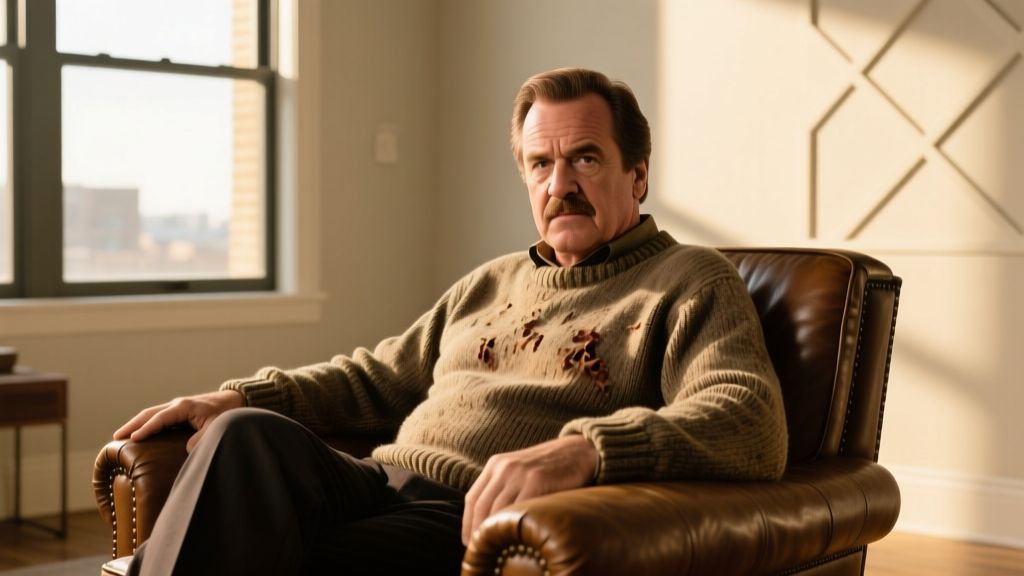
- Everybody Loves Raymond (1996-2005): As Frank Barone, Boyle perfected the lovable, politically incorrect, and brutally honest father figure. Frank never filtered his thoughts, yet his underlying loyalty to his family made him an enduring cultural icon. This role defined the grumpy-but-loyal archetype that dominates internet humor today.
Peter Boyle in the Current Digital Landscape
In the current landscape of social media trends, the unfiltered curmudgeon is highly sought after. Gen Z and Millennial users frequently utilize reaction images and audio clips to express exhaustion with modern hustle culture. Peter Boyle is at the center of this trend. The Frank Barone Stare—a screenshot of Boyle looking deeply unamused—has become a staple reaction meme across Reddit and X, used to respond to everything from bad corporate emails to absurd internet drama.
Furthermore, TikTok editors frequently compile Peter Boyle's most savage, deadpan one-liners from Everybody Loves Raymond, pairing them with trending audio to create the ultimate unbothered aesthetic. The current landscape rewards creators and professionals who do not take themselves too seriously. Boyle's digital resurgence proves that dry, cynical humor paired with undeniable competence is a timeless branding strategy that transcends generations.
Social Media Presence & Digital Estate Management
Because Peter Boyle passed away in 2006, prior to the explosion of modern social media, he does not have an official, actively posting Instagram or TikTok account. However, his social media presence offers a fascinating case study in digital estate management and fan-driven archiving.
Instead of a centralized corporate account, Boyle's digital footprint is maintained by a decentralized network of legacy fan pages, sitcom meme accounts, and television syndication networks. Pages dedicated to Everybody Loves Raymond routinely generate millions of views on Instagram Reels and TikTok by repurposing his archival footage. This highlights a crucial lesson in modern personal branding: your digital legacy is ultimately curated by your community. When an individual's core brand archetype is strong enough, the audience will do the work of keeping their memory and cultural relevance alive through user-generated content (UGC).
Personal Branding Takeaways: Crafting an Unfiltered Bio
What can modern professionals, creators, and everyday users learn from the Peter Boyle brand? The key takeaway is that you do not need to be universally polished to be highly effective. Here is how to apply the Boyle archetype to your own social media profiles.
1. The Power of the Boundary
Boyle's refusal to play a character he found morally objectionable is the ultimate lesson in brand boundaries. Your bio should clearly state what you do not do, which inherently increases the value of what you do. Setting boundaries in your bio filters out bad leads and attracts clients who respect your time.
2. Embrace the Dry Humor
Anti-hustle culture is a massive trend. Instead of filling your bio with rocket emojis and phrases like grinding 24/7, lean into dry, realistic humor. It makes you more relatable and approachable.
3. Authenticity Over Polish
Frank Barone never tried to be anyone else. Let your genuine personality, quirks, and slight cynicism shine through your digital profile. People trust curmudgeons because they feel authentic and unscripted.
Bio Templates Inspired by the Boyle Archetype
- The Professional Curmudgeon (LinkedIn/X): Saying no to bad ideas since 2015. Data over feelings. Coffee first, pitch later. Building systems that let me sleep at night.
- The Unfiltered Creative (Instagram): I do not do small talk. I do big results. Director | No unsolicited DMs | Will judge your font choices.
- The Unbothered Freelancer (Upwork/Portfolio): Brutally honest copywriter. I will not write what you want to hear; I will write what actually sells. Currently accepting 2 new clients.
Sources & Further Reading
- The New York Times: Peter Boyle Obituary - Explores his career, his moral boundaries regarding the Taxi role, and his iconic television legacy.
- Archive of American Television: Peter Boyle Interview - A deep dive into his acting process and his approach to character building.
- IMDb: Everybody Loves Raymond - Comprehensive filmography and character analysis of his Emmy-winning role as Frank Barone.