
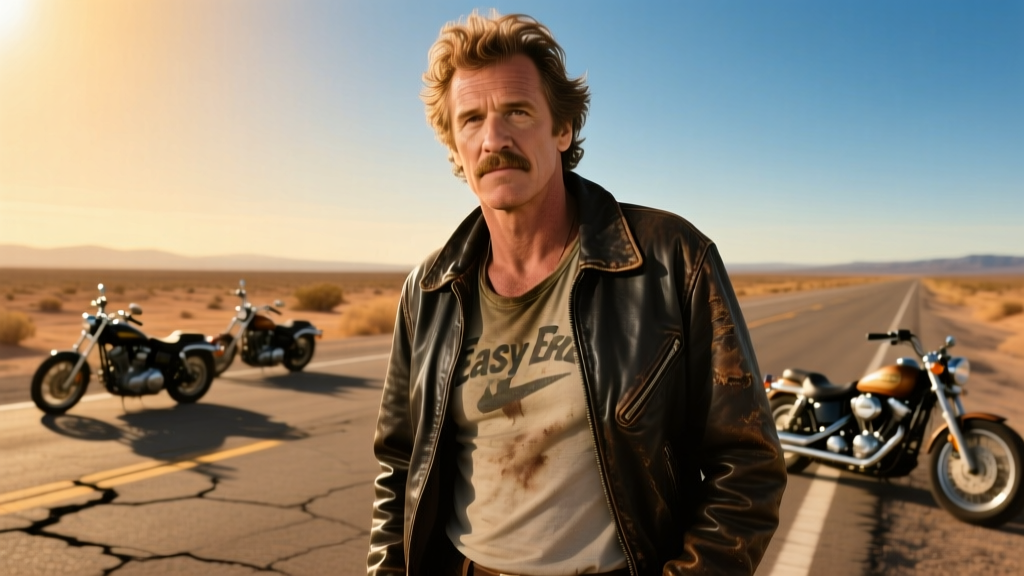
When analyzing the architecture of a timeless personal brand, few figures loom as large in American cultural history as Peter Fonda. Long before Instagram bios, link-in-bio tools, and digital personal branding became mainstream, the legendary actor and counterculture icon crafted an image that resonated with millions globally. Fonda didn’t just play rebels on screen; he embodied a specific, unyielding archetype of American freedom and anti-establishment ethos. Today, we examine his legacy as a masterclass in authentic self-presentation, exploring how his visual identifiers and career choices offer profound lessons for anyone looking to build a distinctive, enduring profile. Let us dive into the Peter Fonda brand.
The Fonda Dynasty: Quick Facts & Legacy
Before deconstructing his branding strategy, it is essential to understand the foundation of his public persona. Born into Hollywood royalty, Fonda had to actively dismantle his inherited brand to build his own authentic identity.
| Attribute | Details |
|---|---|
| Full Name | Peter Henry Fonda |
| Born | February 23, 1940 (New York City) |
| Died | August 16, 2019 (Los Angeles) |
| Nationality | American |
| Known For | Easy Rider, The Wild Angels, Ulee's Gold |
| Family | Henry Fonda (Father), Jane Fonda (Sister) |
| Social Media Status | Legacy/Estate Managed (Instagram, Facebook) |
Filmography: Building the Rebel Archetype
A personal brand is only as strong as the body of work that supports it. For modern creators, your 'filmography' is your content grid, your portfolio, or your published work. Fonda’s career milestones serve as a blueprint for intentional brand pivots and niche domination.
1. The Wild Angels (1966) - Finding the Niche: Before Easy Rider, Fonda starred in this low-budget biker film. While critics dismissed it, it connected deeply with the youth counterculture. Fonda recognized an underserved audience and aligned himself with them, effectively establishing his 'rebel' niche long before it was a marketable Hollywood commodity.
2. Easy Rider (1969) - Owning the IP: This is the ultimate case study in creator independence. Fonda didn't just star in the film; he co-wrote and produced it. By retaining creative control and financing, he ensured the brand message remained uncorrupted by studio interference. For modern personal brands, this translates to owning your platform, your email list, and your intellectual property rather than relying solely on rented social media algorithms.
3. Ulee's Gold (1997) - The Reinvention: After decades as a counterculture icon, Fonda pivoted to play a stoic, conservative beekeeper, earning an Academy Award nomination. This proved that a strong personal brand can evolve. He didn't abandon his core authenticity, but he expanded his range, proving to audiences and casting directors that he was a multifaceted artist, not just a 1960s relic.
Peter Fonda’s Digital Footprint & Estate Branding
Because Fonda passed away in 2019, his social media presence operates differently than a modern influencer's. His official Instagram and Facebook profiles now serve as digital memorials and archival galleries managed by his estate and family. However, analyzing his posthumous digital footprint offers unique insights into 'legacy branding'.
On Instagram, the #PeterFonda hashtag contains tens of thousands of user-generated posts. Fans, motorcycle enthusiasts, and film historians continually post images of his iconic roles, vintage interviews, and behind-the-scenes photography. This demonstrates a crucial branding truth: the most powerful bios and profiles are those that inspire your audience to become your marketers. When your personal brand stands for something deeply authentic, your community will maintain your digital footprint for you.
Furthermore, the Fonda family brand remains highly active. Jane Fonda’s robust and politically engaged social media presence frequently references her brother and father, weaving Peter’s legacy into a broader, multi-generational family narrative. For users managing a family business or a collective brand, the Fondas show how individual identities can support and elevate a unified family or corporate mission.
Deconstructing the Counterculture Visual Bio
If Peter Fonda were to create an Instagram profile today, his visual identifiers would do all the heavy lifting. In an era where users have less than three seconds to capture a visitor's attention on their profile, Fonda’s 'visual bio' was unparalleled.
Consider the American flag motorcycle helmet and the 'Captain America' chopper from Easy Rider. In modern digital terms, that helmet was the ultimate profile picture. It communicated patriotism, rebellion, irony, and freedom without a single word of text. The leather jacket and the long hair served as his consistent aesthetic theme—what we now call a 'content pillar' or 'grid aesthetic'.
Fonda understood that true branding requires visual shorthand. He didn't need to write a lengthy biography explaining his anti-establishment views; his wardrobe, his vehicles, and his stoic, quiet demeanor in interviews communicated his ethos instantly. For anyone crafting a bio today, the lesson is clear: your profile picture, highlight covers, and grid aesthetic must align perfectly with the text in your bio. If your bio says you are a 'disruptive entrepreneur,' but your profile picture is a stiff, corporate headshot, you have a brand disconnect.
Personal Branding Takeaways from Peter Fonda
How can you apply the ethos of a 1960s counterculture icon to your modern social media strategy? Here are three actionable takeaways from the Fonda playbook:
- Subvert Expectations: Fonda was the son of Henry Fonda, America’s quintessential cinematic moral compass. Instead of leaning into the polished, studio-system image of his father, Peter leaned into the gritty, independent, and controversial. Application: Look at the standard tropes of your industry. If everyone in your niche uses polished, corporate jargon in their bio, subvert it. Use raw, authentic language that highlights your unique background.
- Create a Visual Anchor: Fonda had the flag helmet and the chopper. Application: Find your visual anchor. This could be a specific color palette, a recurring prop in your reels, or a distinct style of photography for your grid. When people scroll past your content, they should immediately recognize it as yours before they even read your handle.
- Silence is a Strategy: Fonda was famously quiet and introspective in interviews, letting his work and his image speak for him. In a digital landscape dominated by oversharing and loud, chaotic content, a minimalist, enigmatic bio can actually stand out. Application: Don't feel pressured to stuff your Instagram bio with emojis and buzzwords. Sometimes a single, powerful sentence paired with a striking profile image is the ultimate flex of confidence.
Real-World Examples: Applying Fonda's Authenticity to Your Bio
Let’s translate these historical lessons into real-world examples for your lovemebio.com profile optimization.
Example 1: The Independent Creator (The 'Easy Rider' Approach) Instead of a generic bio like: 'Filmmaker | Traveler | DM for collabs 🎥✈️' Channel Fonda’s ownership and niche focus: 'Documenting the forgotten highways of the American West. 🎞️ Director of [Indie Film Title]. Uncompromising storytelling.' This bio establishes a specific niche, claims ownership of a project, and sets a serious, authentic tone.
Example 2: The Legacy Professional (The 'Ulee's Gold' Reinvention) If you are pivoting careers or rebranding later in life, avoid hiding your past. Fonda used his age and weathered appearance to his advantage in his later roles. Generic Bio: 'Former finance guy turned tech startup founder.' Fonda-Inspired Bio: '20 years on Wall Street. Now building the financial tools I wish I had. 🏗️ Founder @TechBrand.' This frames your history as an asset, showing depth and hard-earned wisdom rather than just a career change.
Sources & Further Reading
To dive deeper into the life and career of this American icon, explore the following archival and biographical resources:
- IMDb: Peter Fonda Biography and Filmography
- The New York Times: Peter Fonda, Counterculture Icon of 'Easy Rider,' Dies at 79
- Rolling Stone: The Making of Easy Rider and the Birth of Indie Branding
Ultimately, Peter Fonda’s personal brand endures because it was never a manufactured marketing strategy. It was a reflection of his genuine search for identity, freedom, and artistic truth. When you sit down to write your next social media bio, ask yourself: Am I writing what I think the algorithm wants, or am I writing my own Easy Rider?