
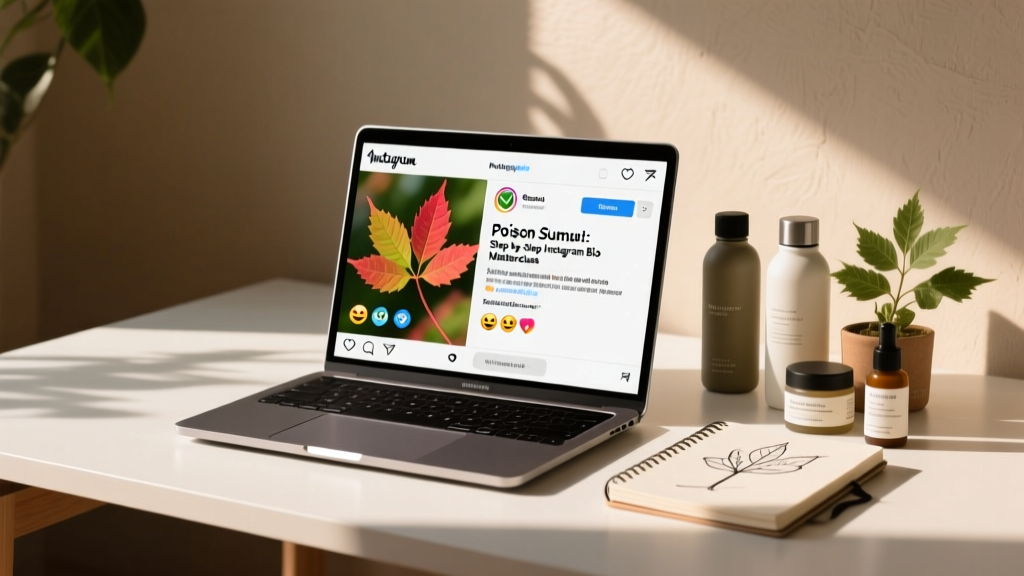
When building a personal brand in the crowded outdoor and survival niche, standing out requires a mix of danger, education, and striking aesthetics. No one exemplifies this better than the viral eco-educator and digital persona known as Poison Sumac. By adopting the name of North America’s most notoriously toxic plant, this creator has built a masterclass in niche authority, curiosity-driven branding, and high-converting social media bios. If you want to learn how to turn a highly specific passion into a magnetic online presence, analyzing the Poison Sumac branding strategy is your ultimate step-by-step blueprint.
In this practical how-to guide, we will break down exactly how this unique profile leverages botanical danger to captivate audiences, and how you can apply these exact frameworks to your own Instagram or TikTok bio.
Quick Facts: The Poison Sumac Profile
| Attribute | Details |
|---|---|
| Full Name / Moniker | Poison Sumac (Digital Pseudonym) |
| Niche | Botanical Survival, Foraging, Eco-Education |
| Known For | Toxic plant identification, wilderness safety, eco-goth aesthetic |
| Primary Platforms | Instagram, TikTok, YouTube Shorts |
| Signature Bio Element | High-contrast warning emojis and life-saving foraging rules |
Step 1: Deconstructing the Poison Sumac Instagram Bio
A great bio does not just tell people who you are; it tells them why they should care. The Poison Sumac Instagram bio is a masterclass in concise, high-stakes copywriting. Let us break down the anatomy of this profile step-by-step to understand why it converts casual scrollers into dedicated followers.
Line 1: The Hook and Value Proposition
The bio opens with a stark warning: 🌿 Teaching you what NOT to eat | 🍂 Survivalist. This immediately establishes the stakes. In the foraging community, a mistake can be fatal. By positioning the brand around danger and prevention, the profile creates an immediate psychological hook. Readers realize that following this account is not just entertaining; it is a matter of personal safety.
Line 2: Authority and Niche Signaling
The second line reads: ⚠️ Respect the flora | Toxicodendron vernix expert. Using the scientific name for the actual poison sumac plant (Toxicodendron vernix) signals deep, authoritative knowledge. It separates this creator from generic outdoor influencers who merely hike trails. This specific terminology acts as a dog-whistle to serious botanists, foragers, and survivalists, instantly building E-E-A-T (Experience, Expertise, Authoritativeness, and Trustworthiness) within the community.
Line 3: The Call to Action (CTA)
The final line points downward to the link-in-bio: 👇 Free Guide: 10 Deadly Lookalikes. This is a brilliant lead magnet. It offers immediate, tangible value that complements the bio’s core promise. By using the downward-pointing emoji, the eye is naturally guided to the URL, drastically increasing click-through rates to their landing page or course offerings.
Step 2: Analyzing Content Strategy and Follower Engagement
To understand why the bio works, we must look at the content it supports. The Poison Sumac social media presence is built on a foundation of edutainment with a dark, cinematic aesthetic. The grid features high-contrast, moody photography of wetlands and swamps—the natural habitat of the real poison sumac plant.
According to the CDC’s National Institute for Occupational Safety and Health (NIOSH), all parts of the poison sumac plant contain urushiol, the same allergenic oil found in poison ivy and poison oak, but often in higher concentrations. The creator leverages this terrifying botanical fact to create highly shareable, saveable content. Their most viral Reels and TikToks follow a strict step-by-step format: showing a common, harmless plant, swiping to its deadly lookalike, and highlighting the micro-differences in stem color and leaf structure.
This strategy drives massive engagement because followers save the videos for future reference when they go hiking. The save metric is heavily weighted by Instagram's algorithm, pushing the content to the Explore page. The bio perfectly sets up this expectation, promising life-saving knowledge in exchange for a follow.
Step 3: Personal Branding Takeaways for Your Own Profile
What can you learn from an eco-educator who named themselves after a toxic shrub? Plenty. Here are the core personal branding takeaways you can apply to your own social media presence, regardless of your niche.
1. Embrace a Polarizing or Hyper-Specific Moniker
You do not need to use your government name if you are building a thematic brand. Choosing a name that evokes a strong image or emotion—like Poison Sumac—makes you instantly memorable. If you are in finance, tech, or fashion, consider a pseudonym or brand name that captures the essence of your philosophy.
2. Sell the Stakes, Not Just the Features
Most bios list job titles. Instead, list the problems you solve or the disasters you help people avoid. If you are a cybersecurity consultant, your bio should not just say InfoSec Expert. It should say, Keeping your data out of the dark web. Frame your value proposition around the stakes involved.
3. Use Scientific or Industry-Specific Terminology
Drop the jargon when speaking to beginners on camera, but use precise terminology in your bio to signal authority to your peers and the algorithm. Using exact keywords helps your profile appear in niche search results.
Step 4: Your Step-by-Step Action Plan to Replicate This Aesthetic
Ready to overhaul your own bio? Follow this practical, step-by-step checklist inspired by the Poison Sumac framework.
Step 1: Define Your Toxic Element (The Hook)
What is the biggest mistake your target audience makes? Identify the danger in your niche. For a fitness coach, it is joint-destroying form. For a marketer, it is burning ad spend. Put this front and center in your first bio line using a relevant warning or alert emoji.
Step 2: Establish Your Scientific Authority
Add a line that proves your deep expertise. Use a recognized certification, a proprietary framework you created, or a highly specific niche descriptor. This is your Toxicodendron vernix moment.
Step 3: Create a High-Stakes Lead Magnet
Design a free resource that solves the exact problem you highlighted in Step 1. Name it something urgent, like The 5 Fatal Ad Mistakes Checklist or The Joint-Saver Form Guide.
Step 4: Format for Skimmability
Use line breaks and vertical alignment. Keep your emojis consistent with your brand colors (e.g., using 🌿, 🍂, and ⚠️ for an earthy, cautionary palette). Ensure your CTA arrow points directly to your link.
Sources and Botanical References
The branding analysis in this guide is grounded in the real-world botanical facts that inform the Poison Sumac educational content. For accurate information regarding plant identification and urushiol exposure, we referenced the following authoritative sources:
- USDA Plants Database: Comprehensive taxonomic data and habitat mapping for Toxicodendron vernix (Poison Sumac).
- CDC NIOSH: Occupational safety guidelines and dermatological facts regarding urushiol oil exposure and toxic plant identification in the wild.
By studying how digital creators translate dense, scientific, and dangerous real-world data into digestible, highly engaging social media bios and content pillars, you can elevate your own personal brand from easily ignored to absolutely essential.