When defining the visual and sonic landscape of new wave rock, Ric Ocasek stands as an undisputed architect. As the lead vocalist, rhythm guitarist, and primary songwriter for The Cars, Ocasek did not just write synthesizer-laced hits; he engineered a complete cultural aesthetic. Yet, despite his massive influence on music and pop culture, several myths surround his persona, his creative process, and his approach to fame. For fans and personal branding enthusiasts alike, examining the Ric Ocasek legacy offers a masterclass in visual consistency and minimalist mystique. Here, we tackle the most common FAQs and misconceptions about the late frontman, analyzing how his physical brand translates to modern digital profile optimization. Let us dive into the facts.
Quick Facts: The Architect of New Wave
| Attribute | Details |
|---|---|
| Full Name | Richard Theodore Ocasek |
| Born | March 23, 1944 (Baltimore, Maryland) |
| Died | September 15, 2019 (New York City) |
| Nationality | American |
| Known For | Lead vocals of The Cars, Record Production (Weezer, Hole, Bad Religion) |
| Primary Social Presence | Managed via @thecarsofficial (Instagram, X, Facebook) |
Ric Ocasek FAQ: Debunking Common Misconceptions
To understand Ocasek's brand, we must first separate the man from the myths. Here are the most frequent questions and misconceptions regarding his career and public persona.
Misconception 1: He was just a frontman who relied on outside producers.
The Reality: While The Cars worked with legendary producers like Roy Thomas Baker, Ocasek was the band's primary sonic architect. Long before signing to Elektra Records, Ocasek produced the band's early demos in his own makeshift studio. Furthermore, his production prowess extended far beyond his own band. In the 1990s and 2000s, Ocasek became a highly sought-after alt-rock producer, famously shaping the sound of Weezer's multi-platinum Blue Album, Hole's Celebrity Skin, and Bad Religion's No Control. His brand was deeply rooted in being a hands-on musical technician, not just a recognizable face.
Misconception 2: His 'nerd chic' aesthetic was a happy accident.
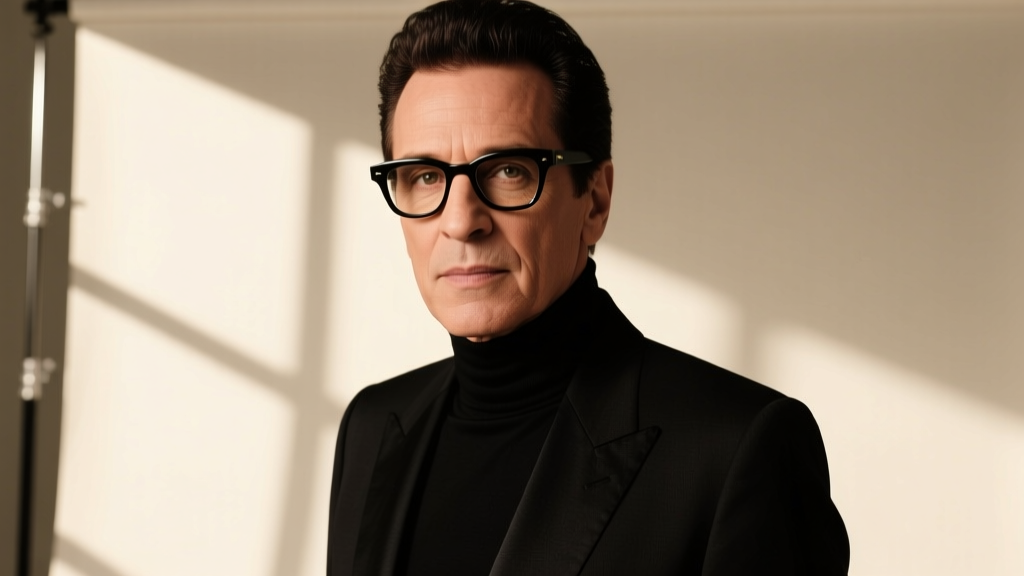
The Reality: Ocasek's signature look—thick Buddy Holly-style glasses, unkempt dark hair, and sharp, tailored suits—was a highly calculated juxtaposition. In the 1970s, rock stars were defined by machismo, denim, and flowing hair. Ocasek deliberately adopted the persona of an awkward, avant-garde art student. This visual branding made him instantly recognizable on MTV and album covers, proving that standing out often means moving in the opposite direction of current trends.
Misconception 3: He was entirely disconnected from modern digital media.
The Reality: While Ocasek belonged to a pre-internet generation, his understanding of visual aesthetics, grid-like album art (often designed in collaboration with artists like Alberto Vargas and Roy Lichtenstein), and minimalist presentation translates perfectly to modern digital curation. He understood that a brand should be visually cohesive and slightly mysterious, a principle that governs the best Instagram profiles today.
The Visual 'Bio': Branding Before the Digital Age
Before the invention of the Instagram bio, an artist's 'profile' was communicated through album covers, music videos, and stage presence. Ric Ocasek mastered the art of the physical bio. His branding relied on a strict uniform: dark sunglasses, a sharp suit, and an aloof, almost robotic stage demeanor.
This consistency created a powerful personal brand. Fans knew exactly what to expect from an Ocasek appearance. In personal branding terms, he established a 'signature silhouette.' If you were to black out his photo, the outline of his hair and glasses would still be identifiable. For modern professionals and creators, this highlights the importance of a consistent profile picture and visual theme. You do not need a loud, chaotic aesthetic to be memorable; sometimes, a stark, minimalist, and highly consistent visual identity cuts through the noise much more effectively.
Digital Legacy: Social Media Presence & Estate Management
Because Ric Ocasek passed away in 2019, his direct social media presence is now managed as a legacy brand, primarily through the official @thecarsofficial channels. Analyzing how his estate and former bandmates manage his digital footprint provides incredible lessons for legacy branding and estate accounts.
Bio Optimization and Link Strategy
The official Instagram bio for The Cars is a masterclass in minimalist utility. It avoids cluttered emojis and lengthy paragraphs. Instead, it uses a clean, authoritative statement of identity, followed by a single, optimized link-in-bio tree. This tree directs fans to streaming platforms, official merchandise, and touring information. For legacy profiles, the bio must act as a definitive directory, ensuring that new, younger fans discovering the music through viral audio trends can immediately find the complete discography.
Posting Style and Archival Engagement
The social media strategy relies heavily on archival photography, rare studio outtakes, and high-definition remasters of classic music videos. The posting style respects Ocasek's original minimalist ethos—captions are often brief, letting the historical weight of the image speak for itself. Engagement remains remarkably high because the estate treats the feed like a curated digital museum rather than a spammy promotional board. They frequently pin posts that celebrate Ocasek's production credits and songwriting milestones, ensuring his multifaceted career is honored beyond just his vocal performances.
Definitive Discography & Production Highlights
To fully grasp the brand authority Ocasek commanded, one must look at his output. His discography serves as the ultimate 'content portfolio' that backs up his iconic image.
- The Cars (1978): A flawless debut featuring 'Just What I Needed' and 'My Best Friend's Girl,' establishing the new wave blueprint.
- Candy-O (1979) & Panorama (1980): Showcased Ocasek's willingness to experiment with darker, more avant-garde synth textures.
- Heartbeat City (1984): The commercial zenith, featuring the global smash 'Drive' and cementing the band's MTV dominance.
- Production - Weezer (1994): Ocasek's production on Weezer's Blue Album bridged the gap between 70s power-pop and 90s alt-rock, introducing his sonic signature to a new generation.
- Production - Hole (1998): His work on Celebrity Skin proved his versatility, helping Courtney Love craft a polished, radio-ready rock masterpiece.
Personal Branding Takeaways for Your Own Profile
What can modern creators, entrepreneurs, and artists learn from the Ric Ocasek brand? Here are three actionable takeaways to apply to your own social media bios and digital presence.
1. Cultivate a Signature Silhouette
Ocasek's glasses and suits were his trademark. On platforms like Instagram, LinkedIn, or X, your profile picture and color palette serve the same purpose. Choose a visual identity that is distinct, repeatable, and recognizable even at thumbnail size. Consistency builds instant recognition.
2. Embrace Minimalist Bio Copy
The Cars' official digital bios do not rely on flashy buzzwords. They state exactly who they are and provide clear navigation. Strip the filler from your own bio. Use your limited character count to state your core value proposition and include a clean, organized link tree. Let your portfolio do the heavy lifting.
3. Curate a 'Museum-Grade' Grid
Whether you are managing a personal brand or a business account, treat your feed like an archive of your best work. Ocasek's estate avoids low-quality, spammy posts in favor of high-resolution, historically significant content. Pin your most important achievements, case studies, or viral moments to the top of your profile to immediately establish authority with new visitors.
Sources: Rolling Stone, Billboard, The Cars Official Website.