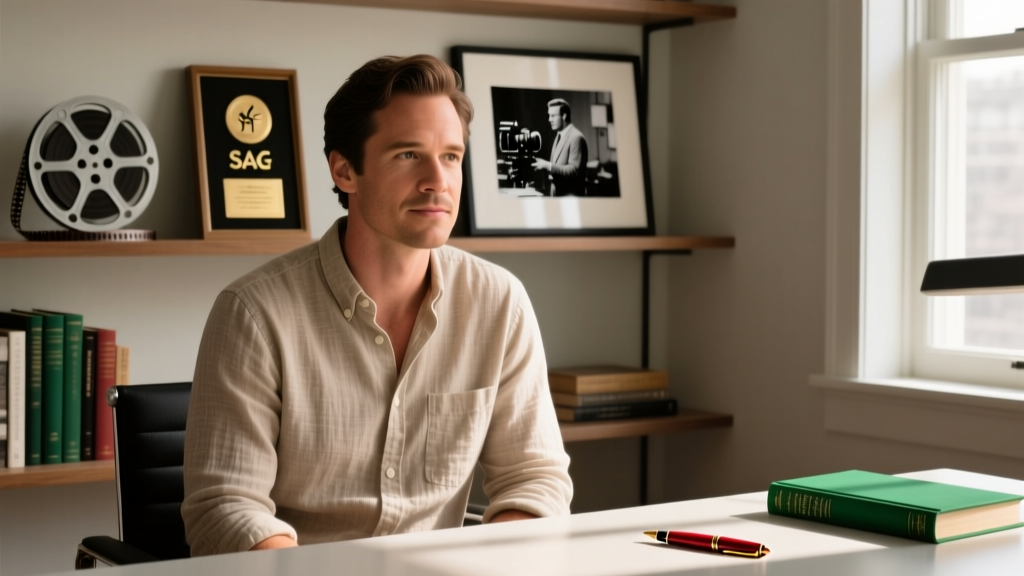
When discussing the architects of Hollywood's creative and labor landscape, Richard Masur is a name synonymous with reliability, versatility, and institutional leadership. While modern public figures often measure their cultural worth in follower counts and viral reels, Masur’s origin story is rooted in the traditional, grueling paths of theater and television. For professionals, actors, and creators looking to understand how to build a lasting personal brand without succumbing to the noise of the influencer economy, Masur’s career offers a masterclass in legacy building and digital restraint.
The Origin Story: From New York Theater to Hollywood Staple
Born on November 20, 1948, in New York City, Richard Masur did not take the traditional route to instant stardom. His foundation was built in the rigorous environment of stage acting and academic discipline. After attending Dartmouth College, Masur immersed himself in the theater scene, honing a craft that required live audience feedback, timing, and deep character analysis. This theatrical origin story instilled in him a work ethic that would later define his five-decade-long career in film and television.
His transition to television in the 1970s culminated in his breakout role as David Kane on the hit Norman Lear sitcom One Day at a Time. Playing the ex-husband of Valerie Bertinelli’s character, Masur showcased a rare ability to balance comedic timing with genuine dramatic pathos. This role did not just make him a household name; it established his personal brand as the 'grounded, reliable everyman'—a branding pillar that would secure him work in some of the most iconic films of the 1980s and 1990s.
Richard Masur Quick Facts & Career Milestones
| Attribute | Details |
|---|---|
| Full Name | Richard Masur |
| Born | November 20, 1948 (New York City, NY) |
| Nationality | American |
| Known For | Acting (The Thing, Risky Business), TV Directing, SAG Presidency (1995-1999) |
| Social Media Handles | N/A (Professionally represented via IMDb, DGA, and talent agencies) |
Filmography & Directorial Evolution
Masur’s filmography reads like a map of late-20th-century pop culture. Directors consistently cast him to bring a layer of authentic, bureaucratic, or cynical realism to larger-than-life ensembles. In John Carpenter’s sci-fi horror masterpiece The Thing (1982), Masur played Clark, the pragmatic dog handler whose skepticism grounded the film's escalating paranoia. A year later, he appeared in Risky Business (1983), and later brought scene-stealing authority to the comedy spoof Hot Shots! (1991).
However, a crucial chapter in Masur’s origin story is his evolution from in-front-of-the-camera talent to behind-the-camera leader. Recognizing the shifting dynamics of Hollywood and his own creative ambitions, Masur transitioned into television directing in the late 1990s and 2000s. He directed episodes of critically acclaimed, tonally complex shows like Six Feet Under, Ugly Betty, and My Name is Earl. This pivot expanded his personal brand from 'character actor' to 'creative executive,' proving that adaptability is a core tenet of long-term career survival.
The SAG Presidency: Cementing a Leadership Legacy
You cannot discuss Richard Masur without addressing his profound impact on Hollywood labor. From 1995 to 1999, Masur served as the President of the Screen Actors Guild (SAG). During a period of massive technological disruption—the dawn of the internet, the rise of cable syndication, and shifting residuals structures—Masur was at the helm of the industry's most powerful union.
His tenure was marked by a push for modernization, better healthcare provisions for working actors, and fierce advocacy for fair compensation in emerging media markets. For Masur, personal branding was never about self-promotion; it was about institutional advocacy. His leadership years cemented his reputation not just as a working actor, but as a statesman of the entertainment industry. This era of his life remains a cornerstone of his professional bio, demonstrating that true authority is built through service to one's peers.
Richard Masur’s Digital Footprint and Social Media Presence
If you search for Richard Masur on Instagram, TikTok, or X (formerly Twitter), you will notice a distinct absence of verified, personal influencer accounts. In an era where actors are pressured to document their morning routines and promote their projects via dance trends, Masur represents the 'anti-influencer' celebrity.
His digital footprint is entirely professional, institutional, and curated. His 'bio' is effectively maintained through three primary channels:
- IMDb & Industry Databases: Masur’s digital identity is anchored by a meticulously updated IMDb page. For legacy professionals, a comprehensive, accurate filmography serves as a far more powerful 'link in bio' than a Linktree.
- Guild & Union Archives: His legacy is permanently enshrined in the historical archives of SAG-AFTRA and the Directors Guild of America (DGA). His brand is tied to institutional prestige rather than fleeting social media algorithms.
- Traditional PR & Agency Representation: Instead of speaking directly to fans via social media, Masur’s public statements, casting news, and project announcements are filtered through traditional entertainment journalism and agency press releases.
This approach to social media presence is a deliberate choice. By abstaining from the daily grind of content creation, Masur maintains an aura of professional mystique and authority. He does not dilute his brand with oversharing; instead, he lets a 50-year body of work speak for itself.
Personal Branding Takeaways for Your Own Profile
What can modern professionals, freelancers, and creators learn from a veteran actor and former union president who largely ignores social media? Here are three personal branding takeaways you can apply to your own bio and digital strategy:
1. Let Your Portfolio Be Your Bio
Masur’s career proves that a meticulously curated portfolio (or IMDb page) outlasts viral trends. If you are a professional—whether a lawyer, architect, or developer—your social media bio should direct traffic to a centralized, highly professional portfolio. Focus on maintaining an updated LinkedIn, a personal domain, or an industry-specific database profile rather than chasing Instagram followers. Quality of work outranks quantity of posts.
2. Highlight Advocacy and Leadership
Masur’s SAG presidency is a defining pillar of his legacy. When crafting your own bio, do not just list your job titles; highlight your contributions to your industry or community. Did you mentor junior staff? Did you serve on a board or committee? Including advocacy and leadership roles in your bio signals authority, trustworthiness, and a commitment to your field beyond mere profit.
3. The Power of Digital Restraint
There is immense power in digital restraint. You do not need to be on every platform. If your target audience (casting directors, corporate clients, B2B partners) does not use TikTok to find talent, you do not need to be there. Audit your social media presence and delete or ignore platforms that do not serve your professional narrative. A focused, restrained digital footprint often projects more confidence and seniority than a chaotic, multi-platform influencer strategy.