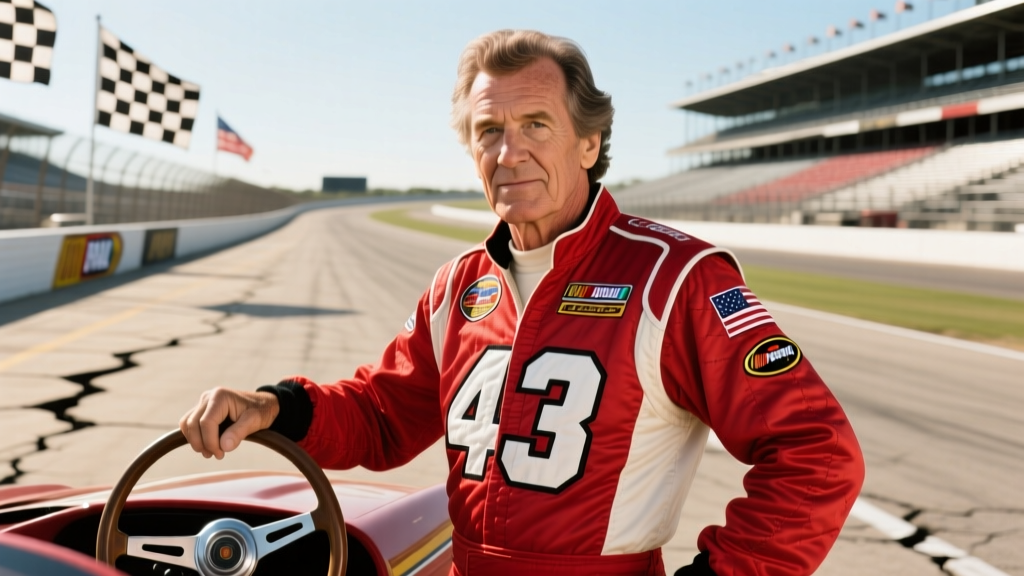
Richard Petty is not just a name; it is a synonym for American stock car racing. Known universally as 'The King,' his career spans decades of dirt tracks, superspeedways, and cultural shifts in motorsports. However, with legendary status comes a wave of misinformation. Fans often confuse his Grand National era stats with modern Cup Series metrics, and questions about his iconic STP-sponsored Plymouth Superbird persist. In this deep dive, we tackle the most common Richard Petty FAQs, debunk persistent myths, and analyze how a rural North Carolina mechanic built one of the most enduring personal brands in sports history.
Quick Facts: The King of NASCAR
| Attribute | Details |
|---|---|
| Full Name | Richard Lee Petty |
| Born | July 2, 1937 (Level Cross, North Carolina) |
| Nationality | American |
| Known For | 7-time NASCAR Premier Series Champion, 200 career wins |
| Primary Social Handles | @RichardPetty (X/Twitter), @thekingrichardpetty (Instagram) |
| Signature Brand Colors | Petty Blue (#0033A0) and STP Red |
Richard Petty FAQs: Separating Myth from Legend
Did Richard Petty really win 200 NASCAR Cup Series races?
This is the most common question surrounding his legacy. The short answer is yes, but the context is vital for modern fans to understand. According to official NASCAR records, Richard Petty secured 200 victories in NASCAR's premier series (now known as the Cup Series). However, many of these wins occurred during the 'Grand National' era in the 1960s and early 1970s, where the schedule featured upwards of 48 to 60 races a year, many of which were on short dirt tracks that no longer exist on the modern circuit. For comparison, his legendary 1967 season saw him win an astonishing 27 races out of 48 starts, including a streak of 10 consecutive victories. While modern drivers race on a highly standardized 36-race paved schedule, Petty's 200 wins remain an untouchable monument to endurance, adaptability, and sheer dominance across vastly different racing disciplines.
Is the iconic STP Petty Blue color a marketing myth?
The story of the STP/Petty Blue livery is one of the greatest branding compromises in sports history. For years, Petty Enterprises raced in 'Petty Blue' and white, a color mixed specifically by his team. In 1973, when Petty switched from Plymouth to Dodge (and later Ford), STP's CEO Andy Granatelli wanted the cars painted entirely in STP's signature fluorescent red. Petty refused, citing his loyalty to his fans who recognized the blue car. The resulting compromise was a dual-tone livery featuring both STP Red and Petty Blue. This not only satisfied the sponsor but created one of the most recognizable visual identities in global motorsports, proving that brand heritage can successfully negotiate with corporate sponsorship.
Does Richard Petty still own and operate his racing team?
A frequent misconception is that Petty still runs the day-to-day operations of his NASCAR team. In reality, the business has evolved significantly. Petty Enterprises ceased its in-house racing operations in 2008, merging with Gillett Evernham Motorsports. More recently, the team operated as Petty GMS Motorsports. In 2023, seven-time champion Jimmie Johnson purchased a majority ownership stake, and the team was rebranded as Legacy Motor Club. Today, Richard Petty serves as a team ambassador and the historical heart of the organization, rather than the active crew chief or sole proprietor. His transition from owner to living legend ensures his brand remains attached to the sport without the grueling operational burden.
Analyzing Richard Petty's Social Media Presence
Managing the digital footprint of an 80-something racing icon requires a delicate balance of nostalgia, promotion, and accessibility. Across platforms like Instagram and X (formerly Twitter), the @thekingrichardpetty and @RichardPetty accounts operate as a masterclass in legacy branding.
- Bio Optimization: His Instagram bio is remarkably concise, leveraging immediate authority markers: '7-Time NASCAR Champion | 200 Wins | The King.' There is no fluff; it tells new visitors exactly why they should follow.
- Content Strategy: The feeds are heavily curated with archival racing photography, behind-the-scenes shots from the Richard Petty Museum, and promotional content for Petty's Garage and STP. This creates a bridge between his historical on-track achievements and his current off-track business ventures.
- Engagement Style: Unlike modern influencers who rely on controversy or hyper-personal vlogging, Petty's social media maintains a dignified, fan-first approach. Posts often highlight fan encounters, charity work, and historical anniversaries, reinforcing his reputation as one of the most approachable legends in sports.
Career Highlights & Racing Legacy
To understand the brand, you must understand the resume. Richard Petty's statistical footprint on NASCAR is foundational to the sport's growth from a regional Southern pastime to a national television powerhouse.
- 7 Premier Series Championships: Tied with Dale Earnhardt and Jimmie Johnson for the most all-time.
- 7 Daytona 500 Victories: A record that is widely considered unbreakable in modern motorsports.
- 1,184 Starts: Demonstrating an ironman level of durability and commitment to the sport and its fans.
- 123 Pole Positions: Proving his raw speed and qualifying mastery across multiple generations of race cars.
Personal Branding Takeaways: What We Can Learn from The King
You do not need to drive 200 mph to apply Richard Petty's branding principles to your own social media profiles and personal brand. Here are the core takeaways for professionals, creators, and entrepreneurs:
1. The Power of Visual Consistency
Long before the term 'personal brand' was coined, Richard Petty had a uniform. The Stetson Stratoliner cowboy hat, Wrangler jeans, cowboy boots, and signature sunglasses are worn whether he is at the racetrack, a corporate boardroom, or a local grocery store. For your own bio and profile, establish a consistent visual theme, color palette, and tone. When people see your profile picture or color scheme, they should instantly recognize you.
2. Authority Markers in Your Bio
Petty's social bios do not list his hobbies or use vague quotes. They state his achievements: '7-Time Champion.' When crafting your Instagram or LinkedIn bio, lead with your strongest, most verifiable achievements. Use numbers and titles to establish immediate E-E-A-T (Experience, Expertise, Authoritativeness, and Trustworthiness) with your audience.
3. Authentic Fan and Client Engagement
Petty famously established a rule that he would stay at the track until every single fan who wanted an autograph got one, sometimes signing for hours after a race. In the digital age, this translates to community management. Replying to comments, acknowledging your audience, and showing genuine appreciation builds a loyal following that algorithms cannot replicate.
4. Strategic Partnerships Over Quick Cash
The STP partnership lasted for decades because it was a mutual alignment of values, not just a quick sponsorship check. When seeking brand deals or collaborations for your own platform, prioritize long-term partnerships that align with your core identity over short-term, mismatched payouts.
Sources & Further Reading
- NASCAR Hall of Fame - Official biographical archives and championship records.
- Racing-Reference.info - Comprehensive statistical database for NASCAR Cup Series wins and starts.
- NASCAR.com - Historical features on the Grand National era and the evolution of the Cup Series.