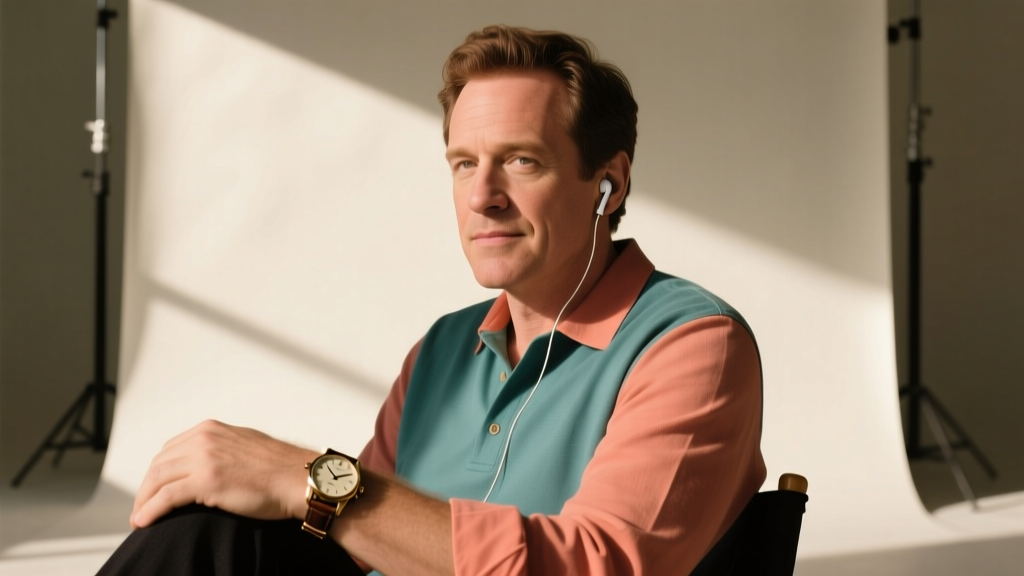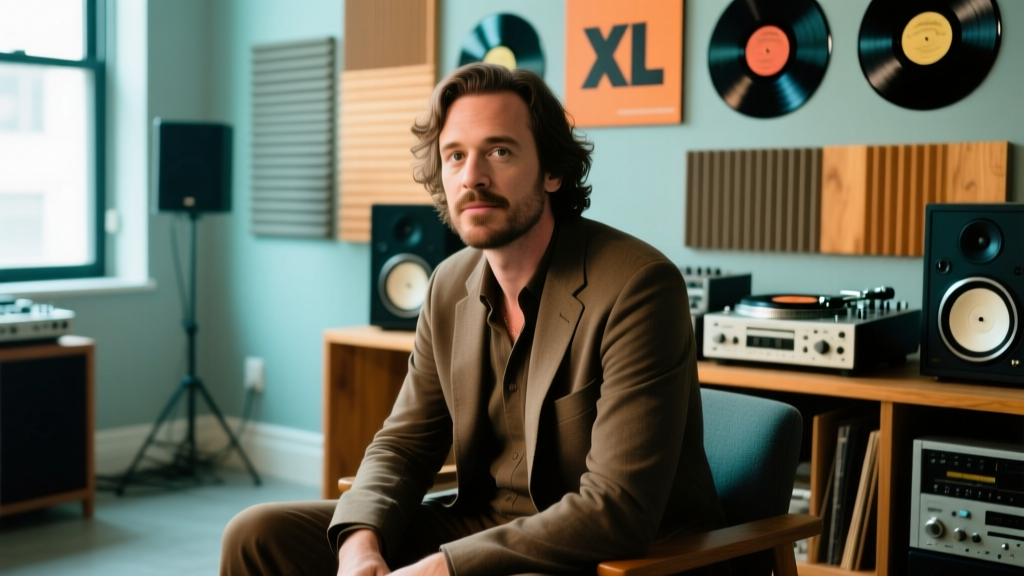
In the hyper-visible music industry, where executives often chase the spotlight, Richard Russell has built an empire by doing the exact opposite. As the founder of XL Recordings and the creative force behind Everything Is Recorded, Richard Russell represents a fascinating case study in enigmatic personal branding. He is the architect behind some of the most culturally significant artists of the 21st century, yet he deliberately avoids the traditional influencer playbook. In this critical review, we analyze the pros, cons, and unique social media strategy of a man who lets his curation speak louder than his persona.
Quick Facts: The Man Behind XL Recordings
| Attribute | Details |
|---|---|
| Full Name | Richard Russell |
| Born | 1971, London, England |
| Nationality | British |
| Known For | Founder of XL Recordings, Producer, Author |
| Key Projects | Everything Is Recorded, Liberation Through Hearing |
| Social Handles | @everythingisrecorded (IG), @xlrecordings (Label) |
The Enigma of Richard Russell: A Critical Review
Most music executives brand themselves as larger-than-life moguls. Think of the brash visibility of Suge Knight, the hustler persona of Diddy, or the viral social media antics of modern label heads. Richard Russell rejects this entirely. His personal brand is built on mystique, deep musical knowledge, and a profound respect for the art form over the artist's ego. In his acclaimed memoir Liberation Through Hearing, Russell outlines a philosophy of 'gardening' rather than 'manufacturing'—creating an environment where singular talents like Adele, Tyler, the Creator, and The xx can bloom on their own terms.
From a branding perspective, Russell’s approach is a masterclass in 'anti-branding.' By refusing to insert himself into the narrative of his artists' success, he has cultivated a reputation as a purist. His brand identity is inextricably linked to quality curation. When music fans see the XL Recordings logo or the 'Everything Is Recorded' moniker, they expect boundary-pushing art. Russell’s personal brand is essentially a seal of approval, functioning more like a prestigious film director or an elite art gallery curator than a traditional music executive.
Richard Russell on Social Media: Presence and Strategy
Analyzing Russell’s social media presence—primarily through his project account @everythingisrecorded and his sparse personal digital footprint—reveals a highly disciplined strategy. You will not find selfies, viral dance trends, or long-winded opinion threads on his profiles. Instead, his Instagram grid serves as a high-art mood board.
The Bio: Russell’s bio architecture is fiercely minimalist. He typically eschews emojis, buzzwords, and self-aggrandizing titles like 'Visionary' or 'CEO.' His bio usually contains a simple location tag (London) and a single, highly targeted link-in-bio directing followers to his latest musical release, a collaborative playlist, or his published book. This starkness signals confidence; he does not need to convince you of his relevance.
Posting Style: His content leans heavily into the analog and the atmospheric. Posts feature close-ups of vintage synthesizers, candid black-and-white studio photography of collaborating artists (like Sampha or Peter Gabriel), and abstract visual art. This reinforces his brand as a musician's musician and a producer deeply entrenched in the tactile reality of sound creation.
Engagement: Russell rarely engages in the comments section or uses Instagram Stories for daily life updates. The engagement on his posts comes from a dedicated niche of audiophiles, fellow musicians, and hardcore music fans who treat his page as a curated gallery rather than a social feed.
Pros and Cons of the 'Anti-Influencer' Brand
Adopting an enigmatic, low-profile personal brand has distinct advantages and disadvantages, especially in an era that demands constant digital visibility.
The Pros
- Unimpeachable Credibility: By avoiding the spotlight, Russell avoids the scandals and public missteps that plague highly visible executives. His brand remains untarnished by internet drama.
- Mystique Generates Intrigue: In a world of oversharing, silence is a luxury. His rare interviews and sparse social media posts become major events for music journalists and fans.
- Art-First Perception: Audiences and artists trust him implicitly because his branding proves he is focused on the work, not the fame. This makes top-tier artists want to collaborate with him.
- Longevity: Trend-chasing influencers burn out. Russell’s timeless, curator-focused brand ages gracefully.
The Cons
- Lack of Parasocial Leverage: Because he hasn't built a direct, personality-driven fanbase, launching a completely new, unrelated venture requires traditional PR rather than a simple viral social media push.
- Missed Mainstream Monetization: While his label and production work are highly lucrative, he leaves the door closed on mainstream brand endorsements, podcast empires, or reality TV appearances that capitalize on personal fame.
- Vulnerability to Algorithm Changes: Minimalist, static image feeds often struggle against the Instagram algorithm, which currently favors high-energy Reels and daily Story engagement.
Career & Discography Highlights
To understand Russell's brand authority, one must look at the receipts of his career. His branding is backed by an undeniable track record of cultural milestones:
- Signing Adele: Russell famously signed Adele to XL Recordings, resisting the urge to over-produce her early work and allowing her raw talent to define her debut, 19.
- Radiohead's In Rainbows: He played a pivotal role in the physical distribution and strategic rollout of Radiohead's groundbreaking pay-what-you-want album.
- Gil Scott-Heron's I'm New Here (2010): Russell produced the legendary poet's final studio album, later reimagining it with Jamie xx.
- Everything Is Recorded: His own collaborative musical project, featuring albums like Close but Not Quite and Saturday Night Forever, showcasing his skills as a producer and bandleader.
Personal Branding Takeaways for Your Own Bio
You don't need to run a multi-million dollar record label to apply the Richard Russell method to your own Instagram or LinkedIn profile. Here is how you can adapt his enigmatic branding for your own personal brand:
1. Embrace the Minimalist Bio
Strip your bio of desperate buzzwords. Instead of writing 'Serial Entrepreneur | Visionary | DM for Collabs 🚀', try adopting Russell’s quiet confidence. State exactly what you do, where you are, and provide one clear link to your best work. Let your portfolio do the heavy lifting.
2. Curate, Don't Just Broadcast
Use your social media grid as a mood board that reflects your tastes and influences, not just your face. If you are a designer, post the architecture that inspires you. If you are a writer, share the books on your desk. Russell’s @everythingisrecorded page is a masterclass in showing your audience how you think, rather than just telling them who you are.
3. The Single-Link Strategy
Russell rarely uses cluttered link-trees. He directs traffic to his current magnum opus. If you are launching a book, a new product, or a portfolio, update your bio link to point only to that specific project. It reduces decision fatigue for your visitors and shows singular focus.