When studying the architects of modern media, few names evoke as strong a reaction as Roger Ailes. While lovemebio.com typically focuses on Instagram bios and digital influencers, understanding personal branding requires examining titans of industry who built empires on a distinct, unyielding voice. A critical review of Roger Ailes reveals a masterclass in audience targeting and niche dominance, alongside a catastrophic failure in ethical reputation management. By analyzing the pros, cons, and ultimate collapse of his public persona, modern professionals can learn vital lessons about authenticity, corporate alignment, and the fragile nature of a personal brand. Let us dive into the legacy of this controversial figure to see what modern creators and entrepreneurs can learn from his unprecedented rise and dramatic fall.
Quick Facts: The Architect of Cable News
| Attribute | Details |
|---|---|
| Full Name | Roger Eugene Ailes |
| Born | May 15, 1940 (Warren, Ohio) |
| Died | May 18, 2017 |
| Nationality | American |
| Known For | Founding Fox News, Republican Media Consulting |
| Primary Brand Vehicle | Fox News Channel, America's Talking |
| Social Media Strategy | Corporate Proxy (Fox News digital footprint), Aggressive PR |
The Roger Ailes Media Presence & Corporate Branding
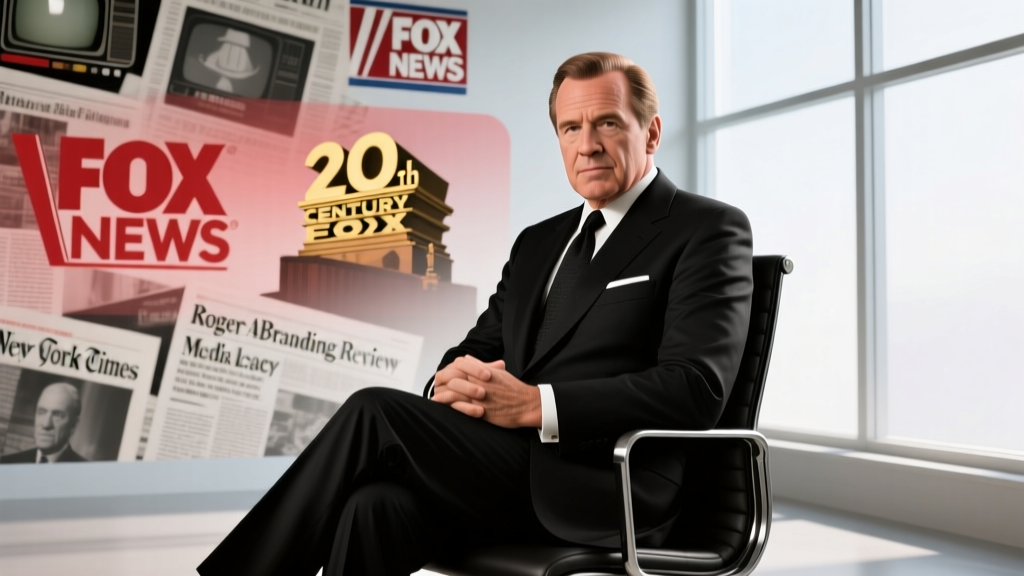
Roger Ailes did not need an Instagram bio, a TikTok following, or a personal Twitter account to project his brand. In the pre-social media boom of the 1990s and 2000s, his personal brand was entirely subsumed by his corporate creation: the Fox News Channel. Launched in 1996, Fox News was the physical manifestation of Ailes's worldview, his political instincts, and his understanding of television optics. His personal 'bio' was effectively the network's famous slogan: Fair and Balanced.
From a branding perspective, Ailes operated as a shadow architect. He rarely sought the spotlight for himself, preferring to wield power from the executive suite. His media presence was managed through aggressive public relations, surrogate spokespeople (his on-air talent), and a highly controlled corporate ecosystem. When Ailes did engage with the press, it was calculated, often combative, and designed to reinforce his image as a ruthless, uncompromising warrior for his audience. According to Gabriel Sherman's exhaustive biography, The Loudest Voice in the Room, Ailes viewed the media landscape as a battlefield, and his personal brand was that of the ultimate, untouchable general. However, this reliance on a corporate proxy for his personal brand would eventually become his undoing when the digital age demanded personal accountability.
Pros of the Ailes Branding Strategy
Setting aside the ethical controversies, the mechanical execution of Ailes's branding strategy offers several undeniable lessons in market positioning and audience capture.
1. Identifying and Dominating an Underserved Niche
Before Fox News, Ailes recognized a massive gap in the media market: millions of conservative Americans felt alienated by the legacy broadcast networks. He didn't try to appeal to everyone. Instead, he niched down aggressively. For modern professionals building a personal brand, the lesson is clear: you do not need to be everything to everyone. Identifying a specific, underserved audience and speaking directly to their desires is the fastest way to build a loyal following.
2. An Unapologetic and Consistent Brand Voice
Ailes understood that polarization drives engagement. His brand voice was unapologetic, urgent, and highly emotional. Every graphic, every chyron, and every anchor's tone was meticulously focus-grouped and aligned with this central voice. In the realm of personal branding, consistency builds trust. Whether you are writing an Instagram bio or a LinkedIn article, your tone must remain recognizable and steadfast.
3. Cultivating Fierce Audience Loyalty
Ailes didn't just build an audience; he built a community that felt under siege and looked to his network for validation. Pew Research Center data from the mid-2010s consistently showed that Fox News viewers possessed the highest levels of brand loyalty and trust in their primary news source compared to any other demographic. He made his audience feel seen, a critical component of any successful digital brand.
Cons and Critical Failures in Reputation Management
Despite his commercial success, the long-term sustainability of the Ailes brand was fundamentally flawed, leading to a spectacular and permanent collapse of his reputation in 2016.
1. The Authenticity Gap
The most critical failure of the Ailes brand was the chasm between his public messaging and his private reality. He built a network that championed traditional family values, moral clarity, and accountability. Yet, behind the scenes, he fostered a deeply toxic workplace culture characterized by rampant sexual harassment. In personal branding, the 'Authenticity Gap' is fatal. If your digital bio and public persona promise one thing, but your real-world actions reflect another, the eventual exposure will destroy your credibility.
2. Toxic Brand Culture as a Liability
Ailes believed his power made him untouchable, allowing a culture of fear and complicity to thrive. Modern branding is not just about the face you show the public; it is about the culture you build behind the scenes. When former anchor Gretchen Carlson and subsequently Megyn Kelly came forward with allegations, the dam broke. The brand's internal toxicity became its external undoing.
3. The Permanence of the Digital Footprint
Ailes operated with a 20th-century mindset in a 21st-century digital world. He believed that controlling the corporate PR machine could suppress personal scandals. However, the internet democratizes information. As reported by The New York Times during his 2016 ouster, the digital footprint of his victims and the subsequent wave of online solidarity proved that no corporate firewall can protect a personal brand built on abuse and deception.
Personal Branding Takeaways for Modern Professionals
What can creators, entrepreneurs, and professionals crafting their bios on lovemebio.com learn from the rise and fall of this media titan?
- Your Bio Must Match Your Reality: Never use your social media bio to project a moral or professional standard you do not uphold in private. Authenticity is the ultimate currency in the digital age. If you brand yourself as an ethical leader, your daily actions must reflect that.
- Niche Down to Stand Out: Ailes succeeded because he ignored the mainstream and spoke to a specific niche. When writing your Instagram or LinkedIn bio, do not use generic buzzwords. Define exactly who you serve and what specific problem you solve.
- Polarization is a Double-Edged Sword: While taking a strong stance can attract a fiercely loyal audience, it also invites intense scrutiny. Ensure that the hill you are willing to die on is one rooted in your genuine expertise and values, not just contrarianism for engagement.
- Culture is Your Invisible Brand: If you are a founder or a team leader, remember that your personal brand is intrinsically tied to how you treat others. A polished digital profile cannot survive a toxic real-world reputation. Protect your character as fiercely as you protect your content strategy.
Ultimately, the legacy of this media executive serves as a stark warning. A powerful brand can conquer markets, shape narratives, and generate billions, but without a foundation of personal integrity, it is nothing more than a house of cards waiting for the digital wind to blow it down.