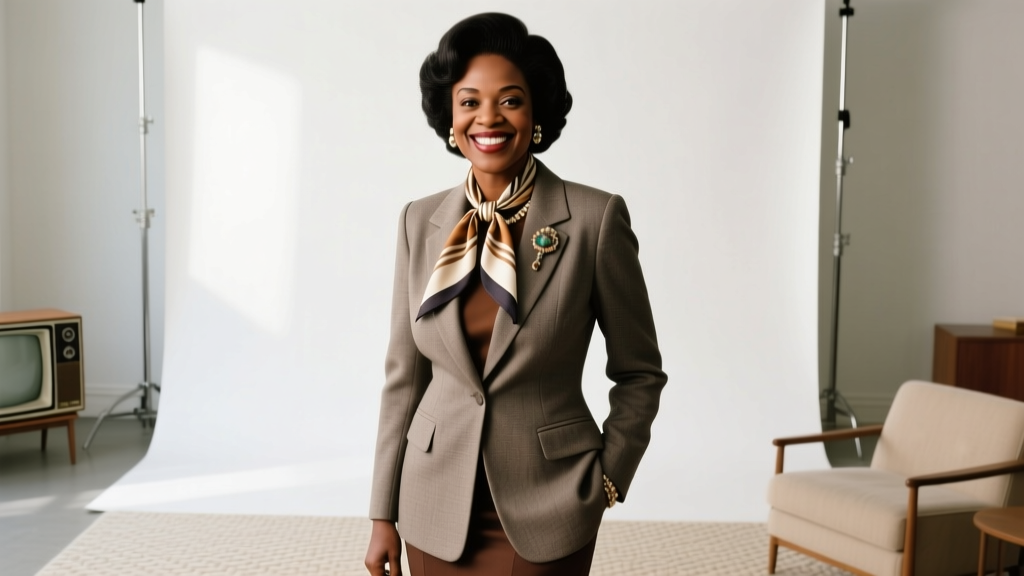
When exploring the history of American television and theater, few figures command the quiet reverence of Roxie Roker. Best known to the world as Helen Willis on the groundbreaking sitcom The Jeffersons, Roker’s origin story is one of theatrical rigor, cultural barrier-breaking, and a personal brand built on dignified excellence. Though she passed away long before the advent of Instagram or TikTok, analyzing the history and digital legacy of Roxie Roker offers profound lessons in how authenticity, representation, and family-curated archives create a timeless personal brand that transcends generations.
The Early Years: Roxie Roker’s Miami and Brooklyn Origins
The foundation of any enduring personal brand is rooted in authenticity and heritage. Born on August 28, 1929, in Miami, Florida, to Bahamian immigrants, Roxie B. Roker was raised primarily in Brooklyn, New York. Her upbringing in a vibrant, working-class immigrant community instilled in her a deep sense of pride in her Bahamian-American roots—a facet of her identity she would carry with her throughout her life and career.
Roker’s intellectual and artistic origins were forged in the crucible of Historically Black Colleges and Universities (HBCUs). She first attended Fisk University in Nashville, Tennessee, before transferring to Howard University in Washington, D.C., where she studied drama. This educational background was not merely a stepping stone; it was the bedrock of her personal brand. Surrounding herself with Black intellectuals, artists, and thinkers during the mid-20th century shaped her worldview, giving her the quiet confidence and intellectual depth that would later define her on-screen presence.
Before Hollywood ever called her name, Roker paid her dues in the theater. She became a vital member of the Negro Ensemble Company (NEC) in New York, a pioneering theater group that nurtured Black talent. Her theatrical origin story culminated in a massive triumph: winning a Tony Award for Best Featured Actress in a Play for her performance in The River Niger in 1973. This stage success proved that her brand was built on undeniable talent and critical acclaim, long before she became a household name in living rooms across America.
Breaking Barriers: Hollywood History and The Jeffersons
In 1975, legendary producer Norman Lear cast Roker as Helen Willis on the spin-off series The Jeffersons. This casting decision did not just launch a successful sitcom; it altered the landscape of American television. Helen Willis was half of the first legally married, interracial couple on American TV, alongside her on-screen husband Tom Willis, played by Franklin Cover.
Roker’s approach to this groundbreaking role is a masterclass in personal branding through grace under pressure. Rather than playing the character as a caricature or a loud mouthpiece for social issues, Roker infused Helen Willis with elegance, warmth, and unyielding dignity. She navigated the prejudices written into the show's scripts with a poised sophistication that made the character—and the actress—beloved by millions. Her brand became synonymous with quiet strength and barrier-breaking normalcy. She earned an Emmy nomination in 1975 for the role, cementing her status as a television icon over the show's historic 11-season, 253-episode run.
| Attribute | Details |
|---|---|
| Full Name | Roxie B. Roker |
| Born | August 28, 1929 (Miami, Florida) |
| Died | December 2, 1995 (Los Angeles, California) |
| Nationality | American (Bahamian descent) |
| Known For | Helen Willis on The Jeffersons, Broadway's The River Niger |
| Family | Mother to Lenny Kravitz; Grandmother to Zoë Kravitz |
| Digital Legacy | Preserved via family archives, syndication, and fan tributes |
The Digital Legacy: How Roxie Roker Lives On Social Media
Because Roxie Roker passed away in 1995, she does not have an official, self-managed Instagram or TikTok account. However, her 'social media presence' is a fascinating case study in posthumous personal branding and family-curated digital legacies. In the modern digital ecosystem, a legacy brand is often maintained by those who inherit the narrative.
Roker’s digital footprint is most powerfully preserved by her son, Grammy-winning musician Lenny Kravitz. On his verified Instagram account (@lennykravitz, boasting over 7 million followers), Kravitz frequently posts high-quality, archival photographs of his mother. These posts are not mere nostalgia; they are deliberate acts of digital curation. By sharing behind-the-scenes moments from The Jeffersons, candid family polaroids, and images highlighting her Bahamian heritage, Kravitz introduces Roxie Roker to new, younger demographics who may not know her television work but connect with her aesthetic, warmth, and historical significance.
Furthermore, her granddaughter, Zoë Kravitz, frequently references her grandmother in interviews and digital media, tying the family's multi-generational artistic brand together. On platforms like TikTok and YouTube, fan-run accounts dedicated to 70s and 80s television, Black cinema history, and vintage fashion frequently utilize clips of Roker. Her elegant wardrobe, natural hair, and poised demeanor on The Jeffersons have made her a staple in 'vintage aesthetic' and 'Black excellence' video edits. This proves that a well-crafted, authentic personal brand will naturally be adopted and amplified by digital communities, even decades after the creator has passed.
Personal Branding Takeaways: Building a Timeless Legacy
What can modern creators, professionals, and social media users learn from the origin story and enduring legacy of Roxie Roker? Her career provides three vital lessons for building a bio and brand that outlasts fleeting internet trends.
- Anchor Your Brand in Heritage and Education: Roker never hid her roots or her intellect. When crafting your personal bio, do not just list your job titles. Highlight the communities, educational backgrounds, and cultural heritages that inform your worldview. Authenticity rooted in personal history creates a brand that cannot be easily replicated by competitors.
- The Power of the 'Quiet Pioneer': In an era where social media rewards loud, controversial, or hyper-viral behavior, Roker’s brand was built on quiet dignity and undeniable excellence. She broke massive cultural barriers simply by being exceptionally good at her craft and carrying herself with grace. You do not need to manufacture drama to build a respected personal brand; consistency, professionalism, and grace speak volumes in digital archives.
- Curate Your Digital Archive: Roker’s legacy thrives online because her family had access to high-quality photographs, scripts, and memories to share. Think about your digital footprint today. Are you archiving your work? Are you documenting your professional milestones and personal milestones in high resolution? Building a 'legacy brand' means organizing your digital assets so that your story can be accurately told by others long into the future.
Conclusion
The origin story of Roxie Roker is a testament to the power of authenticity, education, and quiet barrier-breaking. From the stages of the Negro Ensemble Company to the historic living rooms of The Jeffersons, she built a brand of elegance that time has not eroded. By studying how her legacy is curated online today, we learn that true personal branding is not just about the followers you accumulate today, but the enduring narrative you leave behind.
Sources & Further Reading
- The New York Times: Roxie Roker, 66, Actress on 'The Jeffersons' (Obituary Archive, 1995)
- Television Academy Foundation: The Jeffersons and Cultural Impact (Emmy Archives)
- Lenny Kravitz Official Instagram (Archival family tributes and legacy curation)