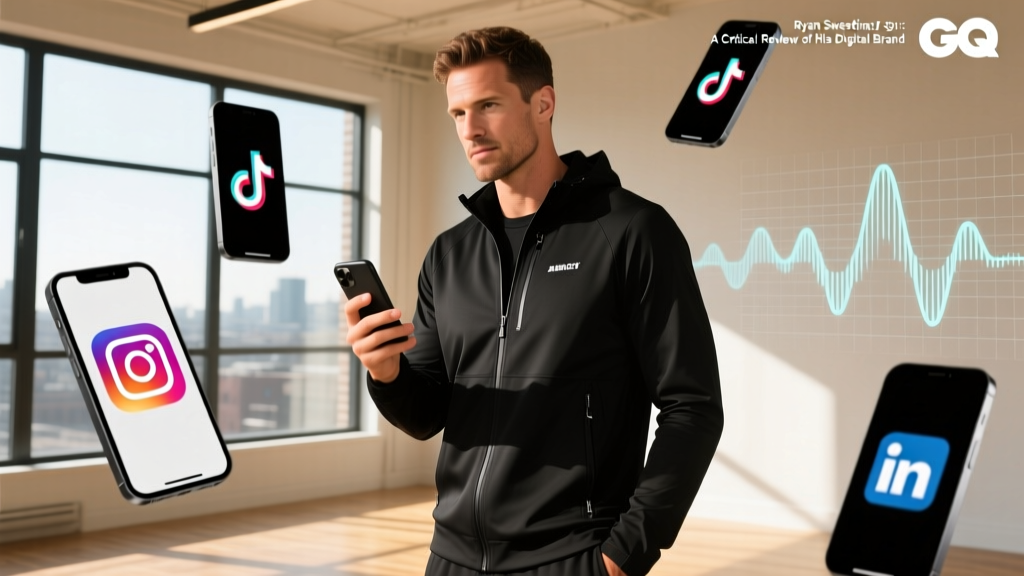
When discussing the intersection of professional sports and digital branding, Ryan Sweeting presents a fascinating, albeit unconventional, case study. The former ATP professional tennis player, known for his powerful baseline game and a high-profile personal life, has largely vanished from the public digital sphere. For personal branding enthusiasts and social media strategists, analyzing Ryan Sweeting offers a unique opportunity to explore the concept of the "narrative vacuum." What happens when an athlete with significant mainstream recognition chooses extreme digital privacy? In this pros, cons, and critical review, we break down Sweeting’s approach to social media, his career transition, and the vital personal branding lessons you can apply to your own Instagram bio and online presence.
Quick Facts: The ATP Career of Ryan Sweeting
| Attribute | Details |
|---|---|
| Full Name | Ryan Lenzo Sweeting |
| Born | July 14, 1987 (Nassau, Bahamas) |
| Nationality | American / Bahamian |
| Known For | 2005 NCAA Singles Champion, 2011 U.S. Men’s Clay Court Champion |
| Career-High Singles Ranking | No. 64 (August 2011) |
| Social Media Handles | Largely inactive / Private accounts |
The Career Context: From NCAA Champion to ATP Pro
To understand Ryan Sweeting’s current digital absence, one must first understand the trajectory of his athletic career. Sweeting was a standout collegiate player at the University of Texas, capturing the NCAA Men’s Singles Championship in 2005 as a freshman. This victory cemented his status as one of the top amateur prospects in the United States.
Transitioning to the professional circuit, Sweeting endured the grueling Challenger tour grind before breaking into the ATP Top 100. His crowning achievement came at the 2011 U.S. Men’s Clay Court Championships in Houston, where he defeated Kei Nishikori to claim his first and only ATP singles title. This victory propelled him to a career-high ranking of World No. 64. However, chronic back and foot injuries severely limited his mobility and consistency, leading to his quiet retirement from professional tennis around 2015. According to archives from the ATP Tour, Sweeting’s career was marked by immense talent but ultimately cut short by the physical toll of the sport.
The Digital Footprint: Pros and Cons of Extreme Privacy
Unlike many retired athletes who pivot to becoming influencers, podcasters, or brand ambassadors, Sweeting chose a different path: digital silence. Let’s critically review the pros and cons of this branding strategy.
The Pros: Authenticity and Mental Health
- Escaping the Influencer Rat Race: Sweeting never attempted to force a digital persona. There were no sponsored posts for detox teas or forced lifestyle vlogs. This authenticity, even in absence, protects his legacy as a serious athlete rather than a reality-TV-adjacent influencer.
- Boundary Setting: Following a highly publicized marriage and subsequent divorce to actress Kaley Cuoco, Sweeting faced intense tabloid scrutiny. Stepping away from social media was a definitive boundary, allowing him to heal and transition into civilian life without the pressure of public performance.
- Avoiding the "Clout Chaser" Label: By not leveraging his past fame for cheap digital engagement, Sweeting maintained a level of dignity that many former celebrities lose when they desperately try to stay relevant on platforms like TikTok or Instagram.
The Cons: The Narrative Vacuum
- Loss of Narrative Control: When you do not write your own bio, the media writes it for you. Because Sweeting lacked a strong, independent digital voice, his public identity became entirely tethered to his past relationship and his athletic retirement, rather than his current endeavors.
- Missed Post-Career Monetization: The modern tennis economy is highly lucrative for former pros. Players like Mardy Fish and Andy Roddick have built massive platforms around mental health advocacy and sports media. Sweeting’s digital absence meant missing out on potential coaching academies, tennis clinics, or sports consulting opportunities that rely on a searchable personal brand.
- Alienating the Core Fanbase: Tennis fans are fiercely loyal. By going entirely dark, Sweeting effectively abandoned the fanbase that supported his Challenger tour days and his Houston victory, leaving them with no way to follow his post-tennis journey.
Critical Review: The Cost of Letting Tabloids Write Your Bio
From a personal branding perspective, Ryan Sweeting’s digital strategy is a masterclass in what happens when an individual relinquishes control of their own narrative. In the world of public relations, a "narrative vacuum" occurs when a public figure provides no information about themselves, forcing journalists and gossip columns to fill the void with speculation.
During the peak of his mainstream media coverage, Sweeting’s Instagram and Twitter accounts were either private, inactive, or entirely secondary to the tabloid stories being written about him. A critical review of this era reveals a harsh truth: privacy is a right, but digital silence is a branding liability. You do not need to share your daily meals or relationship status to maintain a personal brand. However, having a definitive, professional digital footprint acts as a shield. It tells the world who you are now, rather than letting the internet define you by who you were or who you dated.
Compare this to athletes who have successfully navigated career-ending injuries. They use their Instagram bios to pivot. They update their "Known For" to include their new passions, businesses, or coaching roles. Sweeting’s refusal to engage with digital branding means that a search of his name today yields mostly archived tennis stats and decade-old gossip articles, rather than a testament to his current life and achievements.
Personal Branding Takeaways for Your Own Bio
What can the everyday lovemebio.com reader learn from a retired, private tennis pro? Here are three actionable takeaways to apply to your own social media profiles:
1. The "Past & Present" Bio Formula
If you are transitioning between careers, graduating, or retiring from a specific field, do not delete your past achievements. Instead, use the "Past & Present" formula in your Instagram bio.
Example: Former ATP Pro → Current Tennis Academy Director | Building the next generation of athletes. This honors your history while firmly establishing your current identity.
2. Own Your Narrative Before Others Do
You don’t need to be an oversharing influencer, but you must claim your digital real estate. Secure your handles across major platforms and use a Link-in-Bio tool to direct people to your professional portfolio, business, or preferred contact method. A simple, clean bio that says "Private life, public business inquiries below" is infinitely better than an empty profile that invites speculation.
3. Privacy is a Brand, But Silence is Not
Curating a private life is a valid personal brand. Many high-net-worth individuals and executives use aesthetic, minimalist bios to signal exclusivity and focus. Use high-quality profile photography, a concise statement of your core values, and a link to your professional endeavors. Let your digital presence act as a polite but firm bouncer: it tells the public exactly what you want them to see, and nothing more.