
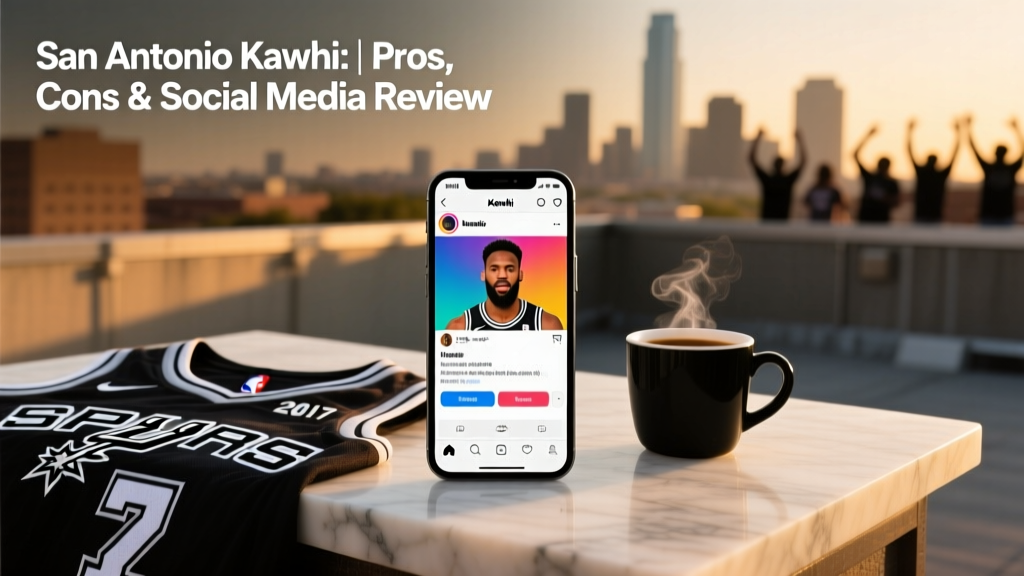
When basketball fans and branding enthusiasts search for San Antonio Kawhi, they are looking for more than just a geographic and athletic pairing. They are searching for the genesis of one of the most fascinating personal brands in modern sports history. Kawhi Leonard’s tenure with the Spurs was not just about winning the 2014 NBA Championship; it was the foundation of a stoic, mysterious, and highly effective public persona. At lovemebio.com, we analyze how top figures present themselves to the world. Today, we deliver a critical review, weighing the pros and cons of his digital footprint and extracting personal branding takeaways you can apply to your own social media profiles.
Quick Facts: The Man Behind the San Antonio Kawhi Persona
| Attribute | Details |
|---|---|
| Full Name | Kawhi Anthony Leonard |
| Born | June 29, 1991 (Riverside, California) |
| Nationality | American |
| Known For | 2x NBA Finals MVP, 2x Defensive Player of the Year, "The Klaw" Brand |
| Social Media Handles | Instagram (@kawhi - highly restricted/private), Twitter (Inactive) |
Career Highlights: Building the Legend
To understand the brand, you must understand the resume. Drafted 15th overall in the 2011 NBA Draft by the Indiana Pacers, he was immediately traded to the San Antonio Spurs. It was in Texas that the "San Antonio Kawhi" mythos was born. Under the tutelage of Gregg Popovich, Leonard transformed from a raw defensive specialist into a two-way superstar. He captured the 2014 NBA Finals MVP by shutting down LeBron James, and followed up with back-to-back NBA Defensive Player of the Year awards in 2015 and 2016.
Following a contentious departure from San Antonio, he spent a single, legendary season with the Toronto Raptors, leading them to their first NBA Championship and securing his second Finals MVP award in 2019. He then joined the LA Clippers, entering the controversial "load management" era. Throughout these geographical shifts, his on-court excellence remained undeniable, but his off-court persona became increasingly polarizing.
Social Media Presence: A Critical Review of the Ghost Strategy
In an era where athletes like LeBron James and Kevin Durant use social media to build media empires and engage in daily cultural discourse, Kawhi Leonard’s digital footprint is virtually nonexistent. He does not have a public, active Twitter account. His Instagram account exists but is frequently set to private or features only sporadic, low-effort posts of fishing trips and family moments. There are no curated brand partnerships on his feed, no motivational quotes, and no behind-the-scenes vlogs.
From a critical review standpoint, this is not an accident; it is a highly calculated branding strategy. Leonard’s "bio" is his silence. By refusing to participate in the digital noise, he has cultivated an aura of mystique that harkens back to 1990s superstars like Michael Jordan or Allen Iverson, who let their game do the talking. However, this ghost strategy extends to his corporate partnerships as well. His legal battle with Nike over the rights to his "Klaw" logo—a trademark he designed himself in high school—demonstrates a fierce desire to own his intellectual property, even if it means walking away from the world's biggest apparel brand to sign with New Balance.
Pros and Cons of the Enigmatic Athlete Brand
Evaluating the "San Antonio Kawhi" brand evolution requires looking at the distinct advantages and disadvantages of his stoic approach to public relations.
The Pros: Unshakeable Authenticity and Mystique
- Zero PR Crises: By not tweeting, Leonard avoids the late-night social media scandals that frequently plague modern celebrities. You cannot be canceled if you have nothing to say.
- Ultimate Authenticity: Fans know exactly what they are getting. His deadpan press conferences, where he famously stated, "I'm just a fun guy," went viral precisely because they were unfiltered and uncoached.
- High Value Scarcity: When Kawhi does speak or appear in a commercial (like his memorable New Balance ads that poke fun at his own lack of emotion), it becomes a major cultural event because of its rarity.
The Cons: Alienation and Narrative Loss
- Narrative Hijacking: Because he does not control his own daily narrative via social media, the media and critics create it for him. The "load management" storyline painted him as aloof and uncommitted to regular-season fans, a narrative he lacked the digital tools to counter directly.
- Alienating the Casual Fan: Modern fans crave parasocial relationships with their idols. Leonard’s refusal to engage makes him difficult to market to younger, digitally-native demographics.
- Missed Monetization: He leaves millions on the table by not leveraging a direct-to-consumer digital funnel, relying entirely on traditional corporate endorsements rather than building his own digital media empire.
Personal Branding Takeaways for Your Own Bio
What can the average professional, creator, or entrepreneur learn from the San Antonio Kawhi branding playbook? Here are three actionable takeaways for your lovemebio profile:
1. The Power of the Minimalist Bio
You do not need a paragraph of text to prove your worth. If your portfolio, resume, or content is strong enough, a minimalist Instagram or LinkedIn bio works wonders. Consider using a single, powerful link-in-bio, your current job title, and perhaps one defining emoji. Let your work create the noise while your profile remains the calm center.
2. Cultivate a Signature Visual Identifier
Long before the lawsuit, Kawhi created the "Klaw" logo using his own massive hands. It became an instantly recognizable silhouette that transcended his name. For your personal brand, think about creating a consistent visual motif, color palette, or custom avatar that makes your profile instantly recognizable in a crowded feed.
3. Control Your Narrative Through Scarcity
Oversharing dilutes your personal brand's value. You do not need to post every thought or daily activity. By being selective about what you share, you train your audience to pay closer attention when you do decide to post. Quality and scarcity will always outperform high-volume, low-value digital clutter.