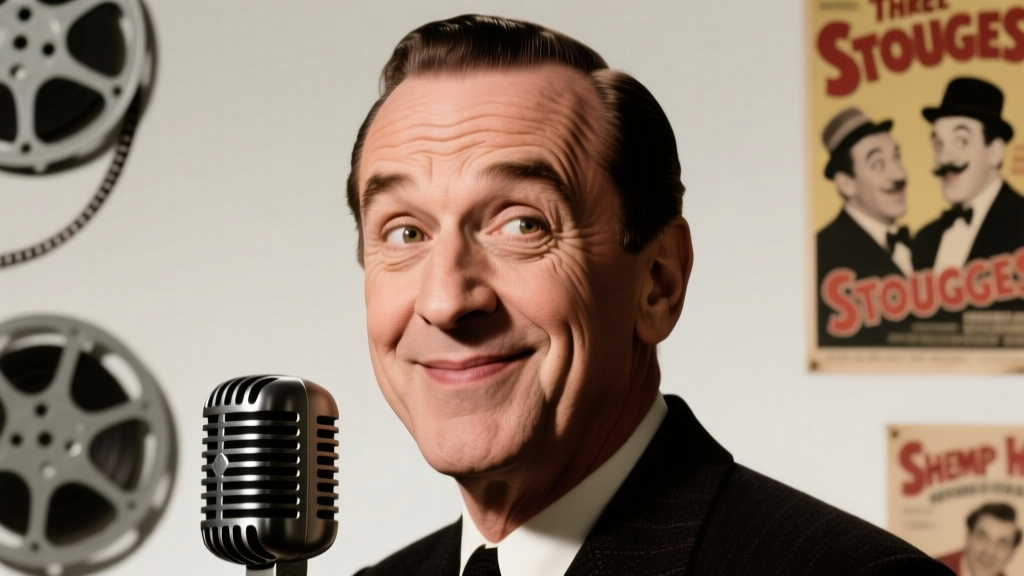
When discussing the pantheon of physical comedy, Shemp Howard remains one of the most misunderstood and fiercely debated figures in Hollywood history. Long before the internet era, Shemp Howard built a vaudeville and cinematic brand defined by improvisational brilliance, signature vocal quirks, and a deeply relatable, everyman persona. Today, his legacy offers fascinating lessons for modern personal branding and digital content creation. Yet, decades after his passing, misinformation still clouds his remarkable career. In this comprehensive FAQ and brand analysis, we separate fact from fiction and explore how a mid-century comedy legend continues to influence the social media algorithm and modern character branding.
The Real Shemp Howard: Quick Facts & Career Highlights
Before we dive into the myths, it is essential to understand the man behind the stammer. Born Samuel Horwitz, he was a pioneer of comedic timing whose influence stretches far beyond the slapstick genre.
| Attribute | Details |
|---|---|
| Full Name | Samuel Horwitz |
| Born | March 11, 1895 (Brooklyn, New York) |
| Died | November 22, 1955 (Hollywood, California) |
| Nationality | American |
| Known For | The Three Stooges, Vaudeville, Universal Pictures solo career |
| Signature Traits | Stammering, 'Heebie-jeebies' dance, improvised vocalizations |
| Digital Presence | Managed via The Three Stooges official estate channels (IG, TikTok, YouTube) |
FAQ & Common Misconceptions About Shemp Howard
Because Shemp's career spanned the chaotic transition from vaudeville to the golden age of television, several myths have taken root in pop culture. Let us debunk the most common misconceptions about Shemp Howard.
Myth 1: Shemp was just a 'fill-in' for Curly.
The Truth: Shemp was actually an original founding member of the act (then known as 'Ted Healy and His Stooges') in the 1920s. He left the group in 1932 to pursue a highly successful solo film career at Warner Bros. and Universal Pictures, appearing in major films like The Bank Dick with W.C. Fields. He only returned to the Stooges in 1946 out of familial loyalty when his younger brother, Curly, suffered a debilitating stroke. Shemp was not a replacement; he was the original blueprint who returned to save the family business.
Myth 2: The 'Fake Shemp' was a studio rumor.
The Truth: The 'Fake Shemp' is a legendary, documented Hollywood reality. When Shemp Howard died suddenly in 1955, the Stooges still owed Columbia Pictures four short films. To fulfill the contract, director Jules White used Joe Palma as a stand-in. Palma was filmed from behind, with his face obscured, or hidden behind props, while old audio clips of Shemp were spliced in. This event literally coined the term 'Fake Shemp' in the film industry, a moniker later adopted by directors like Sam Raimi to describe any stand-in or body double used to finish a film after an actor becomes unavailable.
Myth 3: Shemp died performing a dangerous comedy stunt.
The Truth: While his on-screen persona was defined by chaotic violence, his passing was tragically ordinary. Shemp Howard died of a sudden heart attack in the back of a Hollywood taxi cab on November 22, 1955, while returning home from attending a boxing match with his friend Al Winston. He was 60 years old.
Digital Legacy: How Shemp Howard Lives On Social Media
How does a comedian who passed away in 1955 maintain a social media presence? The answer lies in legacy brand management. The official Three Stooges estate has masterfully adapted Shemp’s physical comedy for the TikTok and Instagram Reels algorithms.
On platforms like Instagram (@thethreestooges) and TikTok, the estate’s social media managers do not just post dusty, black-and-white clips. Instead, they utilize 4K AI upscaling, meticulous colorization, and modern meme-formatting to highlight Shemp’s micro-expressions. Shemp’s iconic double-takes, his terrified stammering, and his surreal vocal sound effects are frequently isolated into 'reaction' GIFs and short-form audio trends.
From a bio and branding perspective, the official channels use a 'Nostalgia + Modern Utility' approach. Their social media bios position the Stooges not just as historical artifacts, but as the 'Godfathers of Comedy.' By packaging Shemp’s reactions as relatable, modern responses to everyday frustrations (e.g., 'Me when the Wi-Fi drops'), the estate ensures his personal brand remains highly engaging to Gen Z and Millennial audiences who may have never watched a full 20-minute theatrical short.
The 'Shemp' Archetype: Personal Branding Takeaways for Creators
At lovemebio.com, we study how historical figures built enduring personal brands. Shemp Howard’s career provides incredible lessons for modern creators, influencers, and entrepreneurs looking to craft a memorable digital identity.
1. Develop an Audio-Visual Signature (The 'Hook')
Shemp didn’t just rely on visual gags; he had a distinct audio brand. His stammering ('I-i-i-i'm a-gonna...'), his high-pitched yelps, and his famous 'Heebie-jeebies' dance made him instantly recognizable even if you were listening from another room. Takeaway: In the era of TikTok and Reels, your personal brand needs an audio hook. Whether it is a specific catchphrase, a unique editing cadence, or a signature sound effect, ensure your audience can identify your content without even looking at the screen.
2. Embrace Your Unique Archetype (The Independent Foil)
While Curly’s brand was built on childlike innocence and surrealism, Shemp’s character was the cynical, sarcastic, independent adult who just wanted to be left alone but kept getting dragged into chaos. He was the ultimate 'relatable foil.' Takeaway: When writing your Instagram bio or defining your niche, do not try to be everything to everyone. Lean into your specific archetype. Are you the chaotic creator, the meticulous educator, or the sarcastic observer? Clearly stating your 'character' in your bio helps attract a fiercely loyal target audience.
3. Loyalty as a Brand Pillar
Shemp left a lucrative solo career to return to a grueling schedule at Columbia Pictures solely to support his brothers and save their family act. This narrative of loyalty is a massive part of his enduring legacy among hardcore fans. Takeaway: Modern personal branding is not just about aesthetics; it is about values. Highlighting your core values (like family, loyalty, or community) in your 'About Me' section or Linktree bio builds deep, parasocial trust with your followers.
Essential Viewing: Shemp’s Defining Filmography
To truly understand the genius of his comedic timing and character work, modern creators and comedy students should study these essential performances:
- The Bank Dick (1940): A masterclass in Shemp’s solo career, starring alongside W.C. Fields. Shemp plays a bartender and showcases his brilliant improvisational stammering.
- Fright Night (1947): Shemp’s first short film back with the Stooges. It perfectly establishes his dynamic as the older, slightly more cautious brother who is still capable of incredible physical feats.
- Brideless Groom (1947): Features one of the most famous and chaotic door-slamming farce sequences in comedy history, heavily studied by modern sitcom directors.
- Punchy Cowpunchers (1950): Highlights Shemp’s incredible ability to ad-lib and react to live animals and unpredictable set conditions.
Conclusion: The Timelessness of Authentic Branding
Shemp Howard was never the polished leading man, nor did he try to be. His brand was built on authenticity, impeccable timing, and the courage to be the anxious, stammering everyman in a world of cartoonish violence. By debunking the myths surrounding his life and studying how his estate manages his digital footprint today, modern creators can learn the immense value of owning a distinct niche. Whether you are optimizing your Instagram bio or launching a YouTube channel, remember the lesson of Shemp Howard: true branding longevity comes from leaning into your unique quirks, not hiding them.
Sources & Further Reading:
1. The Three Stooges Official Fan & Legacy Archives
2. IMDb: Shemp Howard Filmography & Biography
3. Variety Historical Archives: The Origin of the 'Fake Shemp' Hollywood Terminology