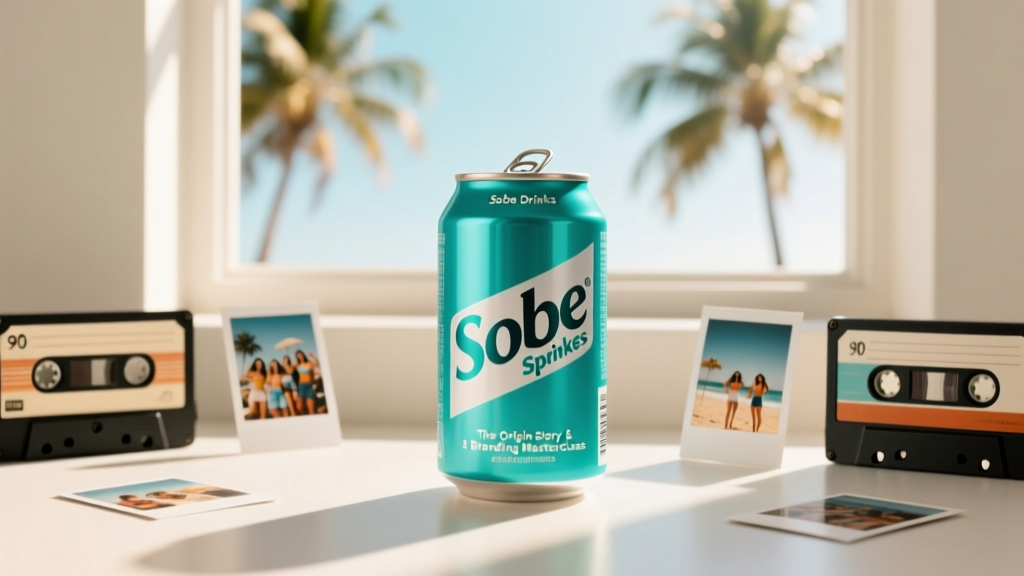
When you think of iconic 1990s and early 2000s pop culture, few entities command the same nostalgic reverence as Sobe Drinks. Originally founded as a premium tea and juice alternative, this brand did not just sell beverages; it sold an attitude, a lifestyle, and a highly distinctive visual identity. For personal branding enthusiasts and social media strategists, looking at the history and origin story of Sobe Drinks provides a masterclass in niche positioning, visual storytelling, and cult-building. Before it was acquired by PepsiCo and became a global staple, it was a rebellious startup out of Connecticut that disrupted a stagnant market. Let us dive into the origin story and branding genius behind this legendary name.
Quick Facts: The Sobe Drinks Profile
| Attribute | Details |
|---|---|
| Full Name | SoBe Beverages (Sobe Drinks) |
| Born | 1996 (Norwalk, Connecticut) |
| Nationality | American |
| Known For | Functional teas, Yumberry, Lizard Mascots, Glass Bottles |
| Social Media | @sobe (Instagram, X, Facebook) |
The Origin Story: How Sobe Drinks Conquered the 90s
The story begins in the mid-1990s with founders John Bello and Don Bello. John Bello had previously worked in the marketing department at Evian and noticed a massive gap in the beverage market. Consumers were becoming increasingly health-conscious, yet the aisle was dominated by either sugary sodas or plain, unexciting bottled waters. The founders wanted to create a functional beverage that offered health benefits without sacrificing flavor or edge. They named the company after South Beach, Florida, a location synonymous with vitality, health, and vibrant culture. Thus, the moniker Sobe Drinks was born, capturing an aspirational lifestyle right from the very first sip.
Their first major launch was Black Tea 3G, a brew fortified with Ginseng, Ginkgo Biloba, and Guarana. At a time when competitors were selling drinks for less than a dollar, the founders made the audacious decision to package their tea in heavy glass bottles and price it at $1.59. This premium pricing strategy was a massive risk, but it immediately positioned the brand as a luxury, high-quality alternative. Consumers were not just buying a tea; they were buying into an exclusive club. The heavy glass bottle felt substantial in the hand, creating a tactile experience that reinforced the premium price point. This origin story is a testament to the power of product packaging as a core pillar of brand identity.
The Visual Identity: Lizards, Tattoos, and Glass Bottles
While the functional ingredients and glass bottles laid the foundation, it was the visual branding that propelled Sobe Drinks into the stratosphere. The brand introduced a series of eccentric, tattoo-covered lizard mascots, each corresponding to a specific flavor profile. The most famous of these was the Yumberry lizard, a vibrant, psychedelic creature that became a cultural phenomenon among teenagers and young adults. The lizards were not just logos; they were characters with distinct personalities, often featured in surreal, edgy television commercials that pushed the boundaries of daytime broadcasting.
Furthermore, the bottle caps featured hidden, witty quotes and fortunes on the inside, encouraging consumers to finish the drink to discover the secret message. This gamification of the drinking experience created immense word-of-mouth marketing. The tribal and tattoo-inspired artwork wrapping the glass bottles made them highly collectible. People would line them up on their desks and shelves, turning the packaging into free billboard space in homes and offices across the country. The visual identity was so strong that it transcended the beverage category, becoming a staple of Y2K fashion, merchandise, and pop culture.
Social Media Presence: Nostalgia and Digital Engagement
Today, the social media presence of Sobe Drinks leans heavily into its rich heritage and the powerful wave of millennial and Gen Z nostalgia. On platforms like Instagram, the brand's bio and content strategy serve as a digital time capsule mixed with modern aesthetic sensibilities. Their Instagram bio is concise, often highlighting their legacy as the original functional beverage and pointing users toward where they can find their classic flavors today.
When analyzing their posting style, you will notice a deliberate mix of high-resolution product photography and retro, archival footage from their 1990s and 2000s marketing campaigns. By showcasing the original glass bottles and the iconic Yumberry lizard, they trigger powerful emotional connections with older demographics who grew up with the brand, while simultaneously introducing the vintage, Y2K aesthetic to a younger audience that views the branding as retro-chic. Follower engagement spikes significantly on posts that ask nostalgic questions, such as asking users to recall their favorite childhood flavor or the hidden message they found under their bottle cap. This strategy proves that a brand's history is one of its most valuable social media assets.
Personal Branding Takeaways from Sobe Drinks
What can creators, entrepreneurs, and professionals learn from the meteoric rise and enduring legacy of Sobe Drinks? Here are the core personal branding takeaways you can apply to your own social media profiles and bios:
- Establish a Visual Hook: Just as the tattooed lizards made the bottles instantly recognizable, your Instagram profile needs a visual hook. This could be a consistent color palette, a specific emoji in your bio, or a signature prop in your photos. Consistency breeds recognition.
- Embrace Premium Positioning: The founders used glass bottles to justify a higher price point. In personal branding, this translates to investing in high-quality headshots, a clean, well-designed link-in-bio page, and polished content. Do not be afraid to position yourself as a premium option in your niche.
- Gamify Your Bio and Content: The hidden quotes under the bottle caps created an interactive experience. You can replicate this by adding an easter egg in your Instagram bio, a hidden link, or a call-to-action that rewards your most engaged followers with exclusive content or inside jokes.
- Leverage Your Origin Story: People connect with struggles and humble beginnings. Do not hide where you started. Use your social media highlights or a pinned post to share your personal origin story, just as the brand frequently celebrates its 1996 Connecticut roots.
Sources and Further Reading
The history and business strategies discussed in this profile are drawn from extensive industry coverage and historical business archives:
- Forbes Archives: John Bello and the Rise of SoBe - Detailed coverage on the premium pricing strategy and the eventual PepsiCo acquisition.
- Beverage Daily: The Functional Beverage Boom - Industry analysis on how herbal ingredients like Guarana and Ginkgo shaped the 90s market.
- PepsiCo Press Releases: SoBe Brand Integration - Official corporate history regarding the integration and modernization of the brand portfolio.