When building a personal brand in the digital art and animation space, standing out requires more than just technical skill; it demands a distinct, recognizable identity. Enter Sophie Rayne, a British 3D artist and animator who has carved out a massive cult following by blending the unsettling with the adorable. Known for her creepy-cute aesthetic, surreal storytelling, and highly stylized digital avatar, she offers a masterclass in niche personal branding. For digital creators, animators, and artists looking to optimize their social media bios and online presence, analyzing her strategy provides incredible real-world value. In this case study, we break down how she leverages her unique visual identity, minimalist bio structures, and cross-platform consistency to turn casual viewers into dedicated patrons.
Quick Facts: Profile Overview
| Full Name | Sophie Rayne |
|---|---|
| Nationality | British |
| Primary Niche | 3D Animation, Digital Art, Surrealism |
| Signature Aesthetic | Creepy-Cute, PS1 Retro, Liminal Spaces |
| YouTube | Sophie (Animation & Tutorials) |
| @sophierayneart | |
| Twitter/X | @sophierayne |
| Monetization | Patreon, Gumroad, ArtStation |
The Evolution of the Digital Avatar
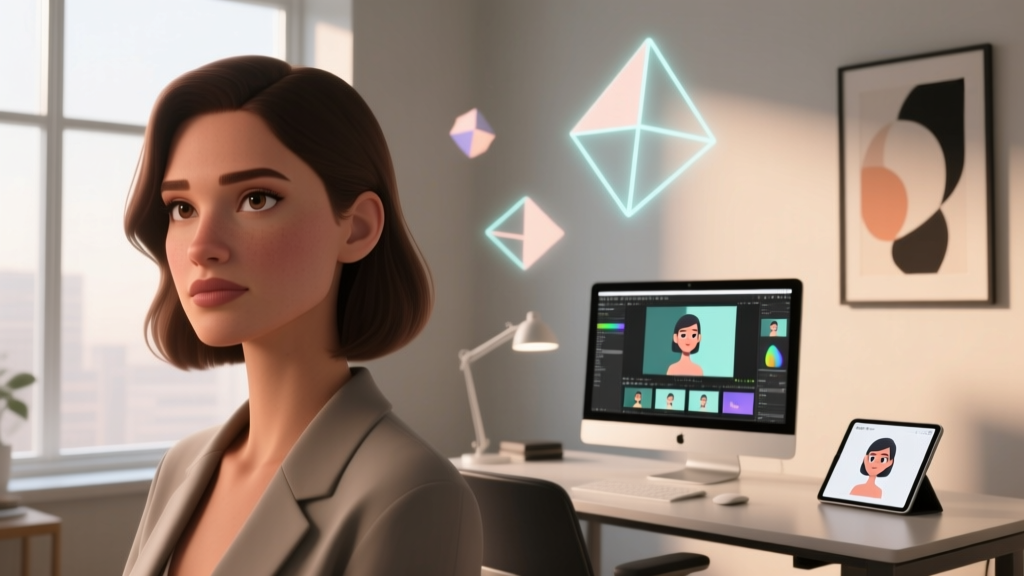
One of the most striking elements of her online presence is the use of a personalized 3D avatar. Unlike traditional influencers who rely on high-fidelity photography or standard headshots, she utilizes a stylized, slightly uncanny 3D model of herself. This avatar is not merely a profile picture; it is the central protagonist of her animations, a recurring motif in her thumbnails, and the face of her merchandise. From a branding perspective, this is a brilliant move. It allows her to maintain a level of privacy while simultaneously creating a highly recognizable mascot. The avatar bridges the gap between the creator and the art, allowing the audience to form a parasocial connection with the character.
For aspiring digital artists, this demonstrates that your profile picture does not have to be a standard selfie. Creating a stylized illustration, a 3D render, or a unique mascot can instantly elevate your brand recognition and set you apart in a crowded feed. The technical execution of her avatar—complete with expressive rigging and custom textures—also serves as a silent portfolio piece, proving her technical competency before a viewer even clicks on her featured reels.
Social Media Presence & Sophie Rayne Bio Analysis
When examining her Instagram and Twitter profiles, the most noticeable trait is the stark minimalism of her bio sections. In an era where many creators clutter their bios with endless emojis, repetitive hashtags, and chaotic call-to-actions, she takes a radically different approach. Her bios typically feature a clean, professional title (such as '3D Artist & Animator'), a subtle nod to her location or studio, and a single, optimized link tree. This minimalist bio strategy serves a very specific psychological purpose. By removing visual clutter, she ensures that the user's eye is immediately drawn to her portfolio link.
Her link-in-bio is a masterclass in conversion optimization, funneling traffic directly to her Patreon for exclusive behind-the-scenes content, her Gumroad store for 3D assets and Blender tutorials, and her ArtStation for professional portfolio viewing. Furthermore, her posting style reflects her brand identity. She does not post daily just to appease an algorithm. Instead, she treats her social media grids as curated digital art galleries. Every post is a high-quality render, a behind-the-scenes wireframe, or a short, looping animation. This commitment to quality over quantity signals to industry professionals and fans alike that her page is a premium destination for top-tier 3D art.
Content Strategy: Mastering the Creepy-Cute Niche
To truly understand her personal brand, one must analyze the content that drives her traffic. She has successfully claimed the 'creepy-cute' micro-niche, blending nostalgic PS1-era graphics, liminal spaces, and surreal humor with adorable, albeit slightly unsettling, character designs. This specific aesthetic is highly shareable, often going viral on platforms like TikTok and Instagram Reels due to its dreamlike and bizarre nature. Her YouTube channel serves as the long-form hub for this content, featuring short animated films, detailed Blender workflow tutorials, and comedic commentary.
By sharing her technical process alongside her narrative animations, she attracts two distinct audiences: fans of surreal storytelling and aspiring 3D artists looking to learn Blender. This dual-appeal strategy exponentially increases her reach and provides multiple avenues for community engagement and monetization. The consistency of this aesthetic across her thumbnails, banners, and bio links creates a cohesive universe that fans want to inhabit and support financially.
Cross-Platform Consistency & Monetization Funnels
A major reason for her sustained growth is cross-platform consistency. Whether a user discovers her through a viral TikTok animation, a YouTube Blender tutorial, or a Twitter render, the visual branding remains identical. The color palettes, typography, and avatar design are uniform across all touchpoints. This consistency builds immediate trust. When a new follower clicks the link in her bio, they are not met with a disjointed landing page; they are greeted with a streamlined funnel that matches the aesthetic of the content they just consumed.
Her monetization strategy is deeply integrated into her brand identity. Rather than relying solely on ad revenue, she uses her social media bios to drive traffic to direct-support platforms. By offering tiered Patreon rewards—such as access to raw Blender files, custom brushes, and early access to animations—she transforms passive scrollers into active community members. Her bio acts as the quiet, professional gateway to this highly engaged, monetized ecosystem.
Personal Branding Takeaways for Creators
Analyzing this real-world case study reveals several actionable strategies that any creator can apply to their own social media bios and personal branding efforts.
1. Develop a Visual Mascot or Avatar
You do not need to show your real face to build a personal brand. Designing a unique avatar, illustrated mascot, or stylized 3D model can become the cornerstone of your visual identity. It provides consistency across platforms and gives your audience a recognizable character to connect with, while also serving as a testament to your creative skills.
2. Optimize Your Bio for Conversions
Strip away the fluff from your social media bios. Use clear, professional titles and ensure your link-in-bio is structured to drive traffic to your most important monetization and portfolio hubs. A clean bio builds trust and reduces friction for potential clients, collaborators, or patrons looking to support your work.
3. Commit to a Micro-Aesthetic
Generalists often struggle to build dedicated fanbases. By committing to a specific micro-aesthetic—whether it is retro-futurism, cozy gaming, or surreal 3D art—you become the go-to creator for that specific vibe. Let your aesthetic dictate your color palettes, thumbnail designs, and even the tone of your bio descriptions.
4. Balance Entertainment with Education
If you are a skilled creator, do not just show the final product. Share your workflow, your failures, and your tutorials. Educational content builds authority and trust, transforming casual scrollers into paying students or Patreon supporters who value your expertise as much as your entertainment value.
Real-World Sources & References
- ArtStation Portfolio - Professional 3D renders, wireframes, and project breakdowns showcasing her technical evolution.
- Patreon Campaign - Analysis of her tiered membership structure, exclusive community offerings, and asset distribution.
- Official Twitter/X Profile - Real-time engagement, industry networking, and minimalist bio structure optimization.