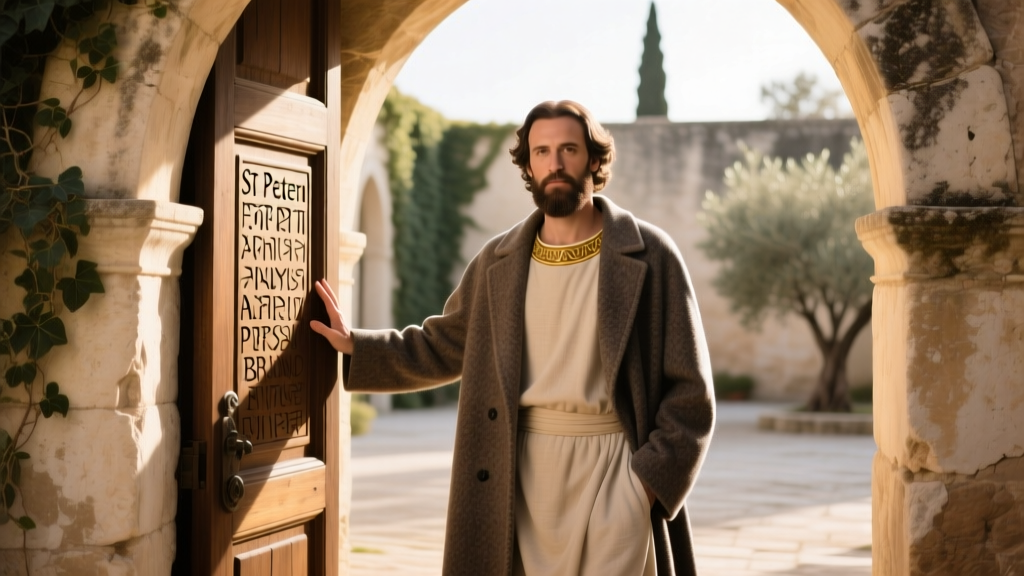
When we study the architecture of enduring influence, few figures offer a masterclass quite like St Peter. Long before the concepts of personal branding, viral messaging, or digital legacy existed, Simon Peter established a narrative framework that has sustained a global institution for two millennia. As a senior branding analyst for lovemebio.com, I often look to historical titans to extract timeless profile strategies. St Peter’s journey from an impulsive, working-class fisherman to the foundational 'Rock' of a worldwide faith provides unparalleled insights into authenticity, visual symbolism, and narrative pivots. Let us break down the ultimate legacy brand and explore how you can apply these ancient principles to your modern social media bios and personal branding efforts.
Quick Facts: The Original Apostle
| Attribute | Details |
|---|---|
| Full Name | Simon bar Jonah (Simon Peter) |
| Born | c. 1 AD, Bethsaida, Galilee |
| Nationality | Jewish (Roman Empire) |
| Known For | Leader of the Twelve Apostles, First Bishop of Rome, Martyrdom |
| Modern Digital Proxies | @Pontifex (X/Twitter), @VaticanNews (Instagram) |
| Brand Symbols | The Keys of Heaven, The Rooster, Fishing Net, Inverted Cross |
Historical Career & Ministry Highlights
To understand St Peter's brand, we must look at his 'career' trajectory. He was not an academic or a member of the religious elite; he was a blue-collar fisherman. This working-class origin became a cornerstone of his relatability and mass appeal. His initial 'call to action'—the famous mandate to become a 'fisher of men'—represents one of the most successful narrative pivots in history. He took an existing skillset and elevated it to a spiritual mandate.
Peter’s defining career moment was his Confession of Faith, where he identified the core mission of his movement before anyone else. This earned him the ultimate brand repositioning: the name change from Simon to Peter (Petros, meaning 'Rock'). In branding terms, he was given a new title that perfectly encapsulated his value proposition to the organization. He was no longer just a follower; he was the foundational infrastructure upon which the entire enterprise would be built.
Crisis Management: The Denial and Brand Recovery
Every enduring personal brand faces a crisis, and Peter’s was public and devastating: his threefold denial of his founder during the Passion. In modern PR terms, this was a catastrophic failure of brand alignment. However, what makes St Peter’s story a masterclass in personal branding is the recovery. The subsequent reinstatement by the Sea of Galilee ('Feed my sheep') demonstrates the power of vulnerability and redemption. Peter did not hide his failure; it was documented in the very texts he helped inspire. This radical transparency transformed him from an untouchable, flawless deity into a deeply relatable, human leader. Modern audiences crave this exact type of authenticity.
St Peter in the Digital Age: Cultural & Social Presence
While the first Pope did not possess an Instagram account, his 'social presence' is meticulously managed today by the Vatican and global dioceses. To analyze his modern digital footprint, we must look at his direct successors and the institutions bearing his name. The @Pontifex accounts across X (formerly Twitter) and Instagram serve as the modern extension of the Petrine ministry.
Bio Analysis of Modern Petrine Accounts: The Vatican’s digital strategy relies on authority combined with pastoral warmth. Bios are multilingual, universally accessible, and stripped of unnecessary clutter. They use high-contrast visual symbols (the Papal tiara, the crossed keys) as profile pictures, ensuring instant recognition even at thumbnail size. The posting style is consistent, focusing on theological reflections, global peace initiatives, and community engagement.
Follower Engagement: With tens of millions of followers across platforms, the engagement on Petrine-branded content is staggering. The Vatican leverages long-form content (Encyclicals and homilies) broken down into highly shareable, bite-sized quotes for social media. This omnichannel approach ensures that the 'Brand of Peter' remains relevant to both traditional demographics and Gen Z seekers looking for spiritual grounding on platforms like TikTok and Instagram.
Visual Identity: The Iconography of the Keys
Long before the invention of the profile picture or the link-in-bio icon, St Peter had a robust visual identity system. In classical art and modern digital representations, he is never depicted without his core brand assets:
- The Keys of Heaven: Based on Matthew 16:19, the crossed keys (one gold, one silver) are the ultimate logo of the Papacy. They represent authority, access, and spiritual security.
- The Rooster: A symbol of his denial, but also of vigilance and the dawn of a new day. It serves as a visual reminder of accountability.
- The Inverted Cross: Representing his martyrdom, as he reportedly felt unworthy to be crucified in the same manner as his founder. It is the ultimate symbol of brand humility.
These symbols transcend language barriers, acting as a universal visual shorthand that communicates his entire biography in a single glance.
Personal Branding Takeaways for Modern Creators
How can you apply the legacy of St Peter to your own Instagram bio, LinkedIn profile, or personal website? Here are expert takeaways for modern creators:
1. Master the Narrative Pivot
Peter went from catching fish to leading a global movement. Your bio should reflect your evolution. Don't just list your past jobs; use your bio to explain your 'why' and how your past experiences inform your current mission. Use a formula like: 'Former [Past Role] turned [Current Passion] | Helping you [Value Proposition].'
2. Embrace Authentic Vulnerability
Peter’s flaws were public, yet they made him the most beloved of the apostles. Stop trying to curate a flawless, sterile digital presence. Use your captions and your 'About Me' sections to share the lessons you've learned from your failures. Audiences connect with the struggle, not just the success.
3. Define Your Core Symbols (The Modern Iconography)
Peter had the Keys. What are your visual anchors? In your Instagram bio, use strategic emojis that act as your personal iconography. If you are a writer, the fountain pen; if you are a builder, the compass. Keep them consistent across all your platforms to build instant visual recall.
4. Build on a Solid Foundation
The 'Rock' metaphor teaches us that a personal brand must be built on core values, not fleeting trends. Ensure your bio clearly states the non-negotiable values you stand for. When the algorithm changes or trends fade, your foundational 'Rock' will keep your audience loyal.
Sources & Further Reading
- Encyclopædia Britannica: Saint Peter - Comprehensive historical overview of his life and ministry.
- The Catholic Encyclopedia: St. Peter - Deep dive into the theological and historical foundations of the Petrine brand.
- Vatican News - Analysis of the modern digital footprint and social media strategy of the Papacy.