When we study personal branding, we usually look at living influencers. But what happens when a personal brand outlives the person? Stanley Ann Dunham, the pioneering American anthropologist and mother of the 44th U.S. President, offers a masterclass in legacy building. Long before Instagram bios and LinkedIn thought-leadership, Stanley Ann Dunham built a reputation rooted in deep, empathetic fieldwork in Indonesia. For modern professionals seeking an alternative to the exhausting social media hamster wheel, analyzing her enduring digital footprint provides a fascinating comparison. How do you build a personal brand that lasts decades without ever posting a selfie? Let us explore the alternatives.
Quick Facts: The Life and Work of an Anthropologist
| Attribute | Details |
|---|---|
| Full Name | Stanley Ann Dunham (later Ann Dunham Sutoro, Ann Soetoro) |
| Born | November 29, 1942, Wichita, Kansas |
| Died | November 7, 1995, Honolulu, Hawaii |
| Nationality | American |
| Known For | Economic anthropology, microfinance advocacy, Javanese village industry research |
| Key Publication | Surviving Against the Odds: Village Industry in Indonesia (Duke University Press, 2009) |
| Digital Presence | Posthumous; curated by the Obama Foundation, Smithsonian, and academic archives |
The Stanley Ann Dunham Legacy: A Different Kind of Personal Brand
To understand the alternative to modern digital branding, we must first understand what Dunham actually built. She was not a public figure seeking fame; she was a relentless researcher focused on the economic realities of rural Indonesia. Her dissertation, Peasant Blacksmithing in Indonesia, challenged prevailing economic assumptions by proving that rural artisans were not trapped in poverty due to a lack of capital, but rather due to systemic barriers to market access.
Her 'brand' was built on three pillars: deep immersion, advocacy for women's economic empowerment, and tangible artifact collection (she amassed a world-renowned collection of Javanese batik textiles). In the context of personal branding, Dunham represents the ultimate 'Substance-First' approach. She did not need to tell the world she was an expert; her fieldwork, her partnerships with the Ford Foundation, and her microcredit initiatives spoke for her. Her personal brand was inextricably linked to her output, not her online persona.
Digital Footprint & Social Media Presence: The Archival Alternative
Because Stanley Ann Dunham passed away in 1995, she has no personal Instagram, Twitter, or LinkedIn accounts. However, her digital footprint is massive, highly engaged, and meticulously curated. This presents a fascinating case study in Archival Branding.
Instead of a personal social media feed, her online presence is managed by prestigious institutions. The Obama Foundation features dedicated pages detailing her impact on microfinance. The Smithsonian Institution and the Fowler Museum have digitized and exhibited her batik collection, complete with extensive digital catalogs and video essays. The University of Hawaii at Manoa maintains her academic archives.
When users search for her today, they do not find fleeting opinions or curated lifestyle photos. They find high-authority institutional endorsements, digitized academic papers, and museum exhibitions. Her 'bio' is effectively written by the institutions that validated her life's work. This is the ultimate alternative to the modern influencer model: achieving a digital presence so authoritative that major organizations act as your permanent PR team.
Comparison: Ephemeral Influencer Branding vs. Archival Legacy Branding
For professionals, academics, and creators looking to refine their personal brand, comparing the modern influencer model with the Dunham archival model reveals distinct strategic alternatives.
1. Content Volume vs. Artifact Permanence
- The Modern Influencer: Relies on high-volume, low-permanence content (daily tweets, weekly reels, ephemeral stories). The brand dies when the posting stops.
- The Dunham Alternative: Relies on 'artifacts'—published books, curated portfolios, physical collections, and documented fieldwork. These artifacts continue to generate interest and citations decades later. The modern equivalent is building a robust digital portfolio, publishing evergreen whitepapers, or creating open-source tools that continue to provide value without daily maintenance.
2. Self-Promotion vs. Institutional Validation
- The Modern Influencer: Spends significant energy self-promoting, claiming expertise, and using SEO buzzwords in their Instagram bio to appear authoritative.
- The Dunham Alternative: Expertise is validated by association and peer review. Dunham’s authority is cemented by her association with the Ford Foundation, USAID, and Duke University Press. The alternative strategy for modern professionals is to shift focus from 'claiming' expertise in their bio to 'displaying' institutional affiliations, client logos, and peer-reviewed endorsements.
3. Trend Surfing vs. Timeless Niche Mastery
- The Modern Influencer: Pivots content to match current algorithmic trends, often diluting their core message.
- The Dunham Alternative: Commits entirely to a highly specific niche (Javanese rural industry and women's microcredit). By going incredibly deep rather than broad, she became the undisputed authority in her space. The lesson is that a highly specific, deeply researched niche creates a more durable personal brand than being a generalist commentator.
Personal Branding Takeaways: Crafting an 'Archival' Instagram Bio
How can you apply the Stanley Ann Dunham approach to your own social media profiles today? If you are tired of the content treadmill, use these takeaways to build an alternative, legacy-focused personal brand.
Let Tangible Artifacts Anchor Your Bio
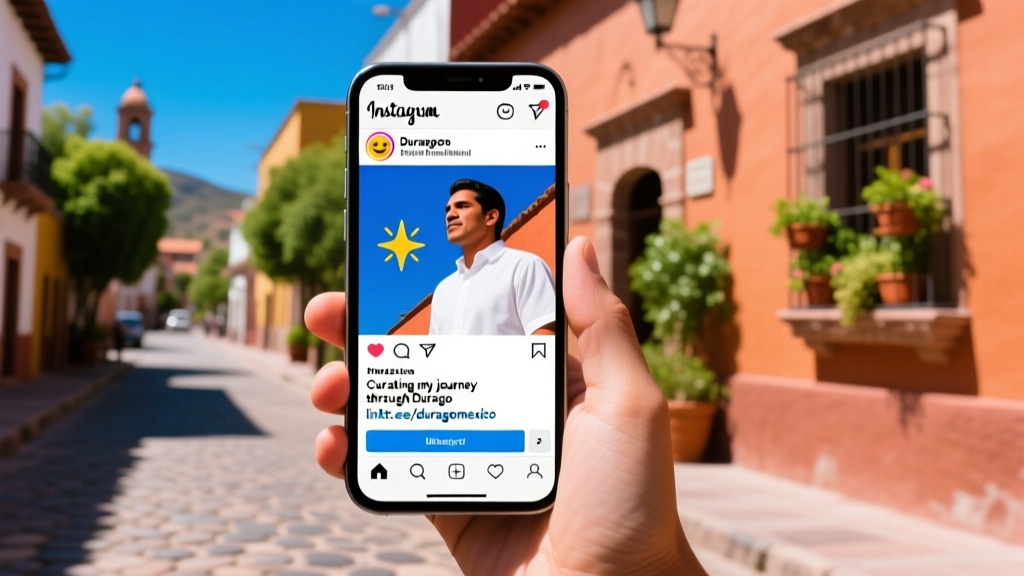
Instead of using your Instagram bio to list adjectives (e.g., 'Visionary | Thinker | Guru'), use it to point to your artifacts. Dunham’s legacy survives because of her physical and written artifacts. Your bio should link directly to a digital portfolio, a published case study, a GitHub repository, or a permanent exhibition of your work. Formula: [Specific Niche] + [Link to Tangible Proof].
Leverage Institutional and Client Proxies
You do not need to be your own sole publicist. Highlight the institutions, notable clients, or prestigious platforms that have validated your work. If a major publication featured your research, or a recognized brand uses your designs, let their authority bolster your bio. Use the 'Tagging' feature on Instagram to pin posts where established organizations have recognized your contributions, effectively turning your profile grid into an institutional archive.
Focus on Empathy and Ground-Level Reality
Dunham’s anthropology was celebrated because it was deeply empathetic; she lived with the artisans she studied and understood their actual struggles, not just theoretical economics. In your personal branding, avoid polished, sterile corporate speak. Share the messy, ground-level reality of your process. Document the failures, the fieldwork, and the actual human impact of your projects. Authenticity rooted in hard work outlasts aesthetic perfection.
Build for the Long Term (The Posthumous Test)
Ask yourself: If I stop posting on social media tomorrow, what remains of my digital footprint? If the answer is 'nothing,' you are building an ephemeral brand. Shift your energy toward creating long-form content, mentoring others, and contributing to your industry's foundational knowledge. Build a body of work that can be archived, cited, and remembered.
Sources and Further Reading
- Duke University Press: Surviving Against the Odds: Village Industry in Indonesia - The posthumous publication of Dunham's seminal anthropological work, showcasing the power of long-term artifact creation.
- The Obama Foundation: Ann Dunham's Legacy - An example of how institutional platforms curate and preserve the personal brands of historical figures.
- University of Hawaii at Manoa: Department of Anthropology Archives - Highlighting the role of academic institutions in maintaining the digital and physical archives of pioneering researchers.
Stanley Ann Dunham never needed a viral hook or a perfectly curated grid. Her personal brand was forged in the villages of Java, validated by global institutions, and preserved through the sheer weight of her contributions. By adopting an archival mindset, modern professionals can build digital identities that prioritize enduring impact over fleeting engagement.