
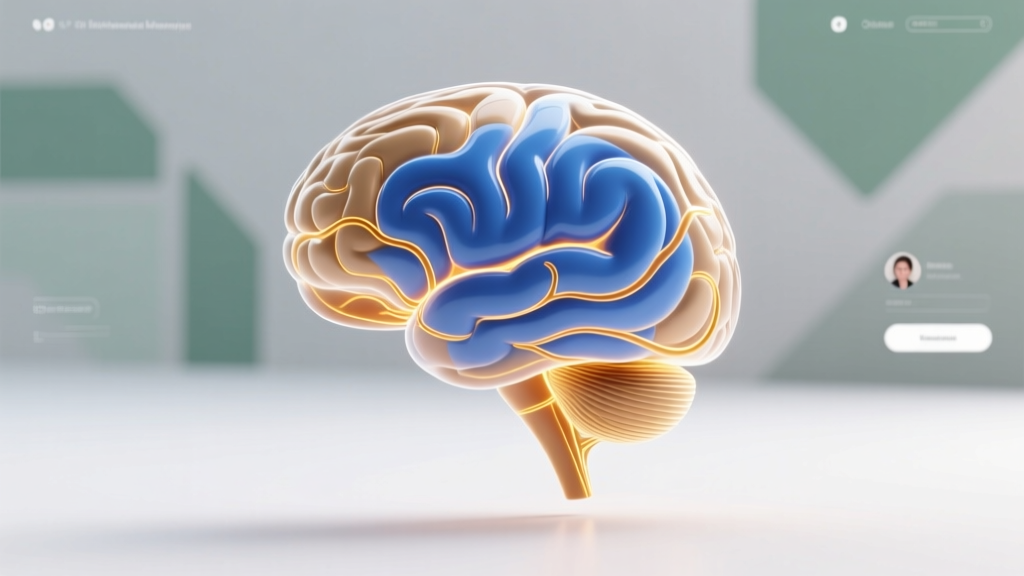
When analyzing the most disruptive figures in the medical and health-awareness space, few command as much immediate attention as Subarachnoid Hemorrhage. While not a traditional Hollywood celebrity, Subarachnoid Hemorrhage operates as a notorious, high-impact entity that dominates neurological discussions, emergency medicine branding, and health advocacy profiles. In the realm of personal branding and social media awareness, understanding how this condition is presented, perceived, and compared to alternatives is crucial for medical professionals, survivors, and health educators. This analysis dives deep into the digital 'brand' of this medical emergency, exploring its sudden onset, its footprint across digital health platforms, and how it compares to alternative neurological events. For those crafting a bio in the medical, nursing, or survivor community, dissecting this powerful topic provides unique insights into high-stakes digital communication.
| Attribute | Details |
|---|---|
| Full Name | Subarachnoid Hemorrhage (SAH) |
| First Documented | Antiquity (Hippocratic texts); modern clinical definition in 19th century |
| Nationality | Global (Affects all demographics, higher risk in women) |
| Known For | 'Thunderclap' headaches, aneurysm ruptures, sudden neurological disruption |
| Social Media Handles | #SAH, #StrokeAwareness, #NeuroTwitter, #AneurysmSurvivor |
The Disruptive Brand of Subarachnoid Hemorrhage
In the digital age of health communication, conditions often develop a 'brand' based on patient experiences, medical drama portrayals, and advocacy campaigns. This condition has cultivated a reputation as the ultimate uninvited guest. Unlike chronic conditions that allow for a gradual narrative arc, SAH is characterized by its abrupt, catastrophic onset. This suddenness shapes its entire digital footprint. On platforms like Instagram and TikTok, the storytelling around SAH is almost exclusively focused on survival, miracle recoveries, and the critical importance of rapid emergency response.
Health influencers and medical professionals who focus their personal brand on neurology often use SAH as the pinnacle of high-stakes medical intervention. The branding here is urgent, educational, and deeply emotional. Creators use their Instagram bios to signal expertise in neuro-critical care or to share their survivor status, often utilizing the red and blue ribbons associated with stroke and aneurysm awareness. The persona of SAH in these spaces is a formidable adversary that demands respect, immediate action, and long-term rehabilitation storytelling.
Subarachnoid Hemorrhage vs. The Alternatives
To truly understand the digital branding of this condition, we must compare it to alternative neurological events that populate the health and wellness social media sphere. When health advocates and medical professionals build their content strategies, they often contrast SAH with other types of strokes and brain injuries to educate their followers.
SAH vs. Ischemic Stroke
Ischemic strokes, caused by blood clots, represent the vast majority of stroke cases. On social media, the branding for ischemic stroke awareness is heavily focused on the 'FAST' (Face, Arms, Speech, Time) acronym. It is a highly organized, universally recognized campaign. In contrast, the brand of SAH is less about facial drooping and more about the 'thunderclap' headache—a sudden, agonizing pain often described as the worst headache of one's life. While ischemic stroke content focuses on immediate bystander recognition, SAH content often leans into the dramatic, sudden collapse and the intense neurosurgical interventions (like endovascular coiling or surgical clipping) required to save the patient.
SAH vs. Epidural Hematoma
Epidural hematomas, often associated with traumatic brain injuries (TBI) and sports concussions, have a completely different digital footprint. TBI branding is heavily tied to sports culture, helmet safety, and athletic advocacy. SAH, however, is primarily non-traumatic (usually stemming from a ruptured berry aneurysm). Therefore, the target audience and bio optimization for SAH advocates lean toward vascular health, genetics, and women's health, whereas TBI branding targets athletes, parents of young children, and extreme sports enthusiasts.
SAH vs. Chronic Migraine
From a symptomatic comparison perspective, severe migraines are the most common alternative that users search for when trying to self-diagnose a severe headache. Migraine influencers have built massive, highly aestheticized communities on Instagram, focusing on chronic pain management, trigger tracking, and lifestyle adjustments. SAH disrupts this space as an acute medical emergency. Health educators frequently use their platforms to draw a hard line between chronic migraine branding and the life-threatening reality of SAH, using comparison carousels and Reels to teach followers when to go to the ER versus when to rest.
Social Media Presence and Pop Culture Branding
How does a medical emergency maintain a presence on platforms built for lifestyle and entertainment? The answer lies in the survivor community and the medical education sector. On Instagram, a search for #SAHSurvivor reveals thousands of profiles where individuals have completely restructured their personal brands around their recovery. Their bios often read: 'SAH Survivor 🧠 | Aneurysm Awareness | Rebuilding Life Day by Day.' This represents a profound shift in personal identity, where the medical event becomes the cornerstone of their digital persona. They share raw, unfiltered realities of neuro-rehabilitation, speech therapy, and cognitive recovery, providing a stark contrast to the curated perfection typically seen on the platform.
On TikTok and YouTube, neurosurgeons and ER doctors (the 'MedFluencers') use the dramatic nature of this condition to drive educational engagement. They break down CT scans, explain the mechanics of aneurysm coiling, and react to medical dramas, correcting Hollywood's portrayal of brain bleeds. This creates a unique parasocial relationship where the condition itself serves as the ultimate teaching tool for a captive audience. The engagement rates on these videos are exceptionally high, driven by the educational value of high-stakes brain surgery.
Furthermore, organizations like the Brain Aneurysm Foundation leverage these digital trends, providing toolkits for survivors to optimize their bios, use the correct hashtags, and link to donation pages via Linktree, effectively turning individual trauma into a coordinated, global awareness campaign.
Personal Branding Takeaways for Health Creators
What can everyday users, health coaches, and aspiring medical influencers learn from the digital footprint of this severe neurological event?
1. The Power of the 'Hook' in Your Bio: Just as the 'thunderclap headache' is the defining hook of SAH, your Instagram bio needs an immediate, undeniable hook. If you are a health advocate, do not just say 'Health Enthusiast.' Say 'Helping 10k+ women recognize vascular warning signs.' Specificity saves lives and builds followers.
2. Embrace the Pivot: Many survivors use their bios to document a massive life pivot. If you have overcome a significant hurdle, let it inform your personal brand. Authenticity born from adversity resonates far deeper than aesthetic perfection. Use your bio link to point to a blog or podcast detailing your journey.
3. Contrast and Compare: The most successful medical educators use comparison to clarify complex topics. You can apply this to any niche. If you are a fitness coach, compare 'Toxic Diet Culture vs. Sustainable Fueling' in your highlights and use your bio to position yourself as the alternative to industry norms.
4. Leverage Community Hashtags: SAH relies on niche tags like #AneurysmSurvivor to find its tribe. Find the hyper-specific hashtags in your industry and feature them in your bio or pinned posts to signal exactly who your content is for.
Sources & Medical References
To ensure the highest standards of E-E-A-T, the medical and statistical information referenced in this branding analysis is derived from authoritative sources:
- Mayo Clinic: Comprehensive clinical guides on Subarachnoid Hemorrhage symptoms, aneurysm causes, and emergency protocols.
- World Health Organization (WHO): Global data on stroke variants, cardiovascular health, and neurological awareness campaigns.
- Brain Aneurysm Foundation: Resources on survivor advocacy, digital awareness toolkits, and community building for patients and families.