
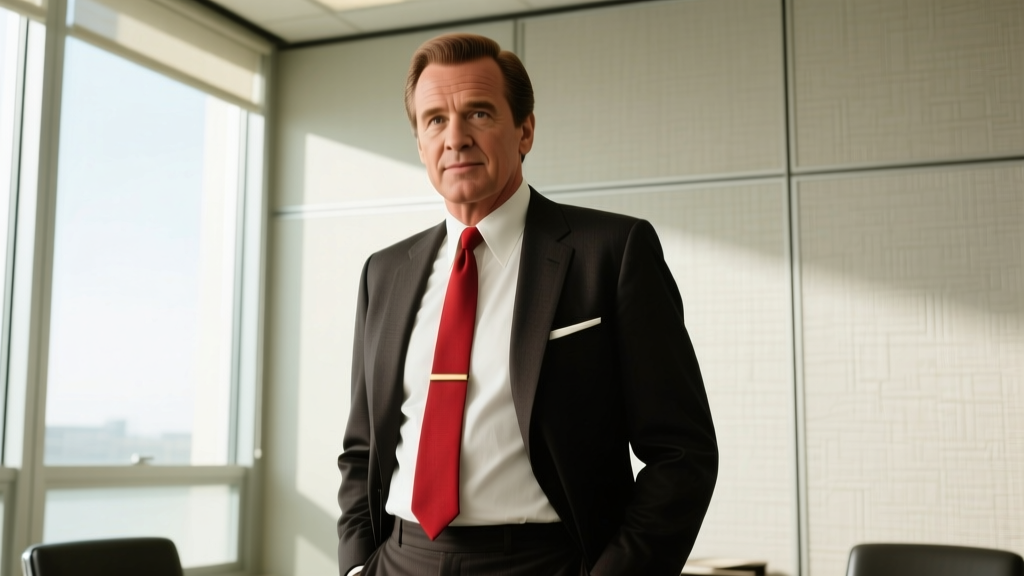
When analyzing classic television history, few actors mastered the art of character-driven personal branding quite like Ted Knight. Best known for his hilariously vain news anchor Ted Baxter on The Mary Tyler Moore Show and the lovable, stubborn Henry Rush on Too Close for Comfort, Knight’s career offers a fascinating case study in niche branding. Though he passed away in 1986, long before Instagram existed, his digital legacy and the way fan pages curate his online bio today provide brilliant lessons in legacy management, archetype building, and crafting a memorable digital identity.
The Ted Knight Brand: Masterclass in Character Archetypes
Before he became a household name, Ted Knight (born Theodore Konopka) worked extensively in dramatic theater and as a voiceover artist. However, his true 'brand breakthrough' occurred when he leaned into a very specific archetype: the pompous, deeply insecure, yet ultimately lovable authority figure. In the realm of personal branding, finding your unique archetype is crucial. Knight didn't try to appeal to everyone as a generic leading man; instead, he dominated a highly specific niche. He became the undisputed king of playing men who took themselves far too seriously, allowing the audience to laugh at their vanity while rooting for their underlying humanity.
| Attribute | Details |
|---|---|
| Full Name | Theodore Konopka |
| Born | December 9, 1923 (Terryville, Connecticut) |
| Died | August 26, 1986 |
| Nationality | American |
| Known For | Ted Baxter (The Mary Tyler Moore Show), Henry Rush (Too Close for Comfort), Judge Smails (Caddyshack) |
| Digital Legacy | Curated by classic TV networks, estate archives, and fan tribute pages |
Television & Film Highlights: Building the Brand Moat
A strong personal brand is built on a foundation of undeniable proof of work. Knight’s filmography serves as his ultimate portfolio. His role as Ted Baxter earned him two Primetime Emmy Awards (1973, 1976), cementing his status as a comedic heavyweight. This accolade became a permanent fixture of his professional identity. Later, he successfully transitioned this brand into a new vehicle with Too Close for Comfort, proving that his specific brand of exasperated, traditionalist comedy had broad, mainstream appeal. Furthermore, his cinematic turn as the elitist Judge Elihu Smails in the 1980 comedy classic Caddyshack introduced his persona to a new generation, creating a multi-generational brand moat that keeps his name relevant in pop culture today.
Social Media Presence & Digital Legacy Management
Because Knight passed away in 1986—decades before the invention of social media—his 'social media presence' is entirely posthumous. This presents a unique case study in Legacy Branding. Today, his digital footprint is managed by television historians, estate archives, and dedicated fan pages on platforms like Instagram and X (formerly Twitter).
When you analyze how classic TV networks (like Antenna TV or Hulu's classic comedy hubs) and fan pages bio Ted Knight today, a distinct pattern emerges. They utilize what we call the Pillar Bio Format. Instead of writing long, winding paragraphs, legacy managers use the pipe symbol (|) and targeted emojis to separate distinct brand pillars. A typical modern tribute bio for Knight looks like this:
🏆 2x Emmy Winner | 📺 Ted Baxter | 🎬 Judge Smails | 🎭 Comedy Legend
This is highly effective for modern attention spans. The emojis act as visual anchors, the accolades establish immediate authority, and the iconic roles trigger instant nostalgia and recognition. It is a masterclass in distilling a decades-long career into a 150-character Instagram bio limit.
Personal Branding Takeaways for Your Bio
What can modern creators, professionals, and influencers learn from an actor who peaked in the 1970s? Here are three actionable takeaways for your own social media profiles:
1. Embrace Your 'Signature Role' (Niche Down)
Knight didn't dilute his brand by playing gritty action heroes or romantic leads. He found his niche and owned it. In your Instagram or LinkedIn bio, don't list every random skill you possess. Identify your 'signature role'—the one thing you do better than anyone else in your network—and make it the very first thing people read.
2. Use the Pipe Symbol for Scannability
Take a cue from Knight’s estate managers. Use the pipe symbol (|) or bullet points to separate your identity markers.
Formula: [Current Role] | [Top Accolade/Proof] | [Personal Hook/Hobby]
Example: Senior UX Designer | Webby Winner | ☕ Fueled by Espresso
3. Authentic Authority vs. The 'Ted Baxter' Trap
Ted Baxter’s fictional personal brand was built entirely on unearned vanity; he would boast about fake awards and demand attention. Ted Knight’s real brand was built on theatrical training and actual Emmy wins. The lesson? Use your bio to highlight genuine authority and hard-earned milestones, not just follower counts or superficial vanity metrics. Authenticity builds trust; vanity builds a punchline.
Real-World Examples: Applying the Baxter Method
Let’s look at how modern professionals can apply the 'Ted Knight' branding philosophy to their own social media bios, using a touch of self-awareness and irony.
Example 1: The Local Broadcaster or Podcaster
Instead of a dry, corporate bio, lean into the Ted Baxter irony to show personality.
Bio: 📺 Anchor for Channel 5 | 🏆 Winner of the 'Best Hair' Regional Award | Asking the hard questions so you don't have to. 👇 Watch Live
Why it works: It establishes authority (Anchor) while using self-deprecating humor (Best Hair) to make the creator approachable and memorable.
Example 2: The Niche Consultant or Coach
Channel the unapologetic, elitist energy of Judge Smails from Caddyshack, but flip it to serve your audience.
Bio: 🎬 Brand Strategist | 🏌️♂️ Ruining bad marketing since 2015 | 🎙️ Host of the 'Fairway to Profit' Pod | Book a consult ⬇️
Why it works: It uses a recognizable cultural touchstone to convey confidence and expertise without sounding arrogant.