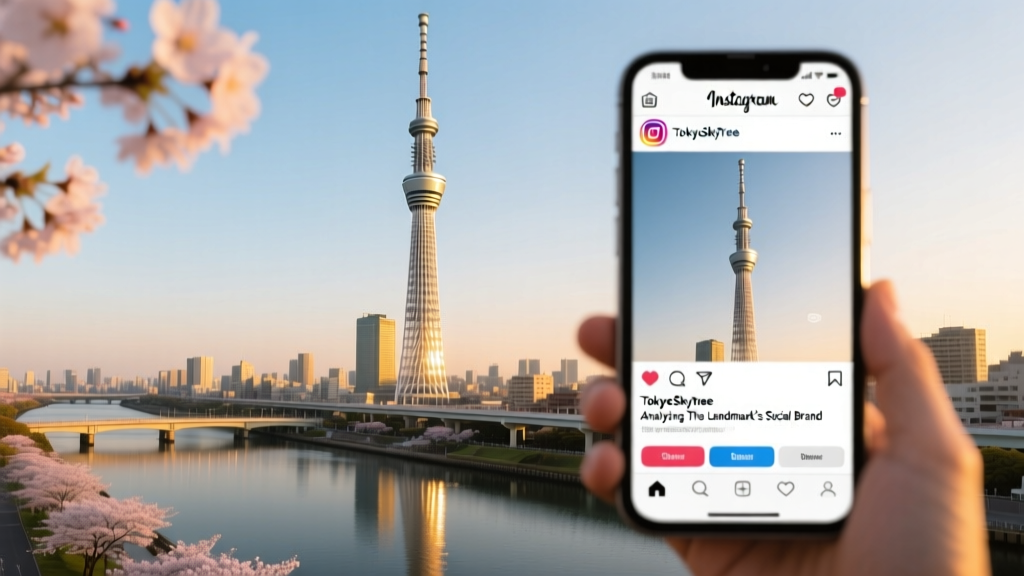
When evaluating the modern landscape of digital influence, human celebrities and lifestyle creators typically dominate the conversation. However, the current trend report on personal branding reveals a fascinating shift: monumental entities and architectural landmarks are operating as non-human celebrities. Standing at an awe-inspiring 634 meters, Tokyo Skytree is not merely a broadcasting tower; it is a global digital icon with a meticulously curated online persona. In this analysis, we explore how Tokyo Skytree leverages seasonal aesthetics, mascot marketing, and atmospheric photography to dominate social media feeds, inspire millions of user-generated posts, and maintain its status as a premier digital influencer in the Asian market.
Quick Facts: The Architectural Celebrity
| Attribute | Details |
|---|---|
| Full Name | Tokyo Skytree (Tokyo Sutokurī) |
| 'Born' (Opened) | May 22, 2012 |
| Nationality / Location | Sumida, Tokyo, Japan |
| Known For | World's tallest tower, LED lighting design, Sorakara-chan mascot |
| Social Handles | @tokyo_skytree (Instagram / X) |
The Digital Footprint and Visual Semiotics of Tokyo Skytree
To understand the social media presence of this towering celebrity, we must first analyze its visual identity. In the current digital landscape, a recognizable silhouette is the equivalent of a celebrity’s signature fashion choice. For Tokyo Skytree, the brand architecture is defined by its neo-futuristic design and, most importantly, its LED illumination system. The tower utilizes two primary lighting patterns: 'Iki' (chic), which features a vibrant indigo blue that represents the spirit of the Edo period, and 'Miyabi' (elegant), which showcases a regal purple. These specific color palettes act as the visual hex codes for the brand.
When users scroll through Instagram or TikTok, the immediate recognition of these lighting schemes triggers instant brand association. Unlike human influencers who must constantly reinvent their aesthetic to stay relevant, the tower relies on the consistency of its architectural semiotics, anchoring its digital footprint in a blend of deep cultural heritage and cutting-edge modernity. This consistency is a masterclass in visual branding, proving that a rigid, well-defined aesthetic can outlast fleeting social media trends.
Mascot Marketing: Breathing Life Into Steel and Glass
A major trend in the current landscape of Japanese branding is the use of 'yuru-chara' (loose characters or mascots) to humanize corporate and municipal entities. Tokyo Skytree adopted this strategy by introducing its official mascot, Sorakara-chan. Born in 2012 alongside the tower's grand opening, Sorakara-chan features a star-shaped head, a bright blue color scheme that mirrors the 'Iki' lighting, and a perpetually cheerful demeanor. From a personal branding perspective, Sorakara-chan serves as the approachable, parasocial avatar for an otherwise imposing 634-meter structure.
On platforms like X (formerly Twitter) and Instagram, the mascot interacts with followers, shares daily weather updates, and engages in playful banter with other regional mascots across Japan. This anthropomorphism allows the brand to participate in trending memes, holiday celebrations, and pop-culture collaborations that a literal building could not. By giving the landmark a 'face' and a distinct voice, the management team transforms a static tourist destination into an active, engaging digital personality. This strategy significantly boosts follower engagement, as audiences feel they are interacting with a friend rather than a corporate tourism board.
Content Strategy: Atmospheric Storytelling and Follower Engagement
The official social media channels of the tower operate less like a traditional promotional feed and more like a daily atmospheric diary. The content strategy heavily features the observation deck's unique vantage point. Because the tower stands above the Kanto plain, its cameras capture breathtaking phenomena that ground-level residents cannot see: sea of clouds (unkai), dramatic sunrise gradients, and the rare sighting of Mount Fuji piercing through the morning smog. This approach to content creation taps into the digital trend of 'slow media' and mindfulness. Followers tune in not just to see the tower, but to see what the tower sees.
Furthermore, the social media managers excel at real-time engagement. When a rare weather event occurs—such as a snowstorm dusting the sprawling metropolis in white—the official accounts immediately deploy high-definition time-lapse reels and atmospheric photography. This reactive content strategy ensures that the brand remains at the center of local digital conversations, frequently earning reposts from major news outlets and travel influencers. The bio of their primary Instagram account is optimized for this, utilizing link-in-bio tools to direct followers to real-time ticket availability, current visibility metrics, and exclusive merchandise drops.
User-Generated Content as the Ultimate PR Engine
No celebrity profile is complete without analyzing their fan base, and the user-generated content (UGC) surrounding this landmark is staggering. The current landscape of travel photography has birthed a niche trend known as 'Skytree spotting.' Locals and tourists alike compete to capture the most creative, framed shots of the tower from unexpected Tokyo neighborhoods—peeking through narrow alleyways in Asakusa, reflecting off the Sumida River, or framed by cherry blossom branches in spring.
The official social media accounts actively curate and repost the best UGC, creating a symbiotic relationship with local photographers. This strategy turns millions of everyday smartphone users into unpaid brand ambassadors. By validating and amplifying user content, the brand fosters a deeply loyal digital community. For personal branding enthusiasts, this highlights a crucial lesson: your audience's perception and documentation of your brand are just as important as the content you produce yourself.
Personal Branding Takeaways for Digital Creators
What can human creators, entrepreneurs, and influencers learn from a 634-meter broadcasting tower? The digital success of this landmark offers several actionable takeaways for crafting your own online persona and Instagram bio.
- Establish a non-negotiable visual signature: Just as the tower relies on its indigo and purple LED lighting, you must define a color palette, editing style, or visual motif that makes your content instantly recognizable in a crowded feed. Your Instagram bio and highlight covers should reflect this signature aesthetic.
- Leverage an alter-ego or mascot: If your primary brand feels too corporate or distant, adopt a specific tone of voice, a recurring inside joke, or a secondary 'finsta' persona to make your brand more approachable and engaging.
- Shift your perspective to provide value: The tower’s social media thrives by showing the world what it sees, rather than just showing itself. Creators should focus their bios and content on the unique perspective they offer their audience. What 'view' do you provide that no one else can?
- Optimize your bio for real-time utility: Include dynamic links to your latest projects, current availability, or trending content, mirroring how the tower updates its bio with daily visibility and ticketing information.
Conclusion
In conclusion, the digital footprint of this iconic structure proves that personal branding is not strictly limited to human beings. By combining cultural heritage with cutting-edge digital strategy, anthropomorphic mascot marketing, and a mastery of atmospheric storytelling, the tower has secured its place as a top-tier digital influencer. As the social media landscape continues to evolve, the principles of visual consistency and community-driven engagement remain timeless. Whether you are a 634-meter architectural marvel or an aspiring digital creator, the foundations of a powerful online presence remain exactly the same.
Sources:
1. Tokyo Skytree Official Website
2. Japan National Tourism Organization (JNTO)