When you hear the name Tommy Mottola, you are hearing the architect of the modern global music industry. As the former Chairman and CEO of Sony Music Entertainment, he didn't just sign artists; he engineered cultural shifts, most notably the late-90s Latin Explosion that brought superstars like Ricky Martin, Shakira, and Jennifer Lopez to the mainstream English-speaking market. Yet, despite his monumental career, public perception is often clouded by tabloid history. In this deep dive, we separate fact from fiction, explore his digital footprint, and extract personal branding lessons from a true industry titan.
Quick Facts: The Man Behind the Music Empire
| Attribute | Details |
|---|---|
| Full Name | Thomas Daniel Mottola |
| Born | July 14, 1949 (The Bronx, New York) |
| Nationality | American |
| Known For | Former CEO of Sony Music, Architect of the Latin Explosion, Founder of Nuyorican Records |
| Notable Artists Managed | Mariah Carey, Celine Dion, Gloria Estefan, Shakira, Ricky Martin, Jennifer Lopez |
| Instagram Handle | @toffmottola |
Tommy Mottola FAQs & Common Misconceptions
To build a personal brand as resilient as Mottola's, one must understand how he navigates public perception. Let's address the most common misconceptions and frequently asked questions about the music mogul.
Misconception 1: He is Only Famous for His High-Profile Marriages
Because Mottola was married to Mariah Carey in the 1990s and is currently married to global Latin icon Thalía, casual observers often reduce his identity to 'the husband of.' This is a massive disservice to his legacy. Long before his marriages dominated tabloids, Mottola was a street-level hustler in the New York music scene. He founded Champion Entertainment Organization in the 1970s, managing acts like Daryl Hall & John Oates and Diana Ross. His branding lesson here is substance over sensationalism. While the tabloids focused on his romances, Mottola was quietly orchestrating the biggest corporate mergers and cultural crossovers in music history. His personal brand remains anchored in his professional output, not his relationship status.
Misconception 2: He Was Just a 'Corporate Suit' at Sony
Many assume that as the CEO of Sony Music, Mottola was merely a numbers guy in a boardroom. In reality, his branding and success were built on an intense, almost obsessive creative involvement. He is famous for his 'hands-on' A&R (Artists and Repertoire) approach. He didn't just approve budgets; he was in the studio at 3 AM, helping select singles, design album covers, and conceptualize music videos. According to his memoir Hitmaker: The Man and His Music, Mottola views himself as a creative protector first and an executive second. For personal branding, this translates to authenticity in your craft. Never let your title distance you from the actual work that built your reputation.
FAQ: What is Tommy Mottola Doing Now?
After stepping down from Sony in 2004, Mottola didn't retire. He founded Nuyorican Records, leaning heavily into his Italian and Puerto Rican heritage. He has also expanded into Broadway and theater production, co-producing hits like Summer: The Donna Summer Musical. His current brand positioning is that of an 'Elder Statesman' and 'Cultural Ambassador,' particularly within the Latin music community, where he is frequently honored for his pioneering crossover work.
Decoding the Social Media Presence of a Music Mogul
Unlike modern influencers who chase viral trends, Tommy Mottola's social media strategy—primarily on Instagram (@toffmottola)—is a masterclass in Legacy Branding. His grid is not designed for Gen Z virality; it is designed for industry respect, nostalgia, and high-net-worth lifestyle curation.
- The 'Insider' Aesthetic: Mottola's posts often feature behind-the-scenes looks at recording studios, vintage cars, and exclusive industry events. This creates a 'velvet rope' effect. Followers feel they are getting a glimpse into a highly exclusive world that money alone cannot buy access to.
- Strategic Nostalgia: He frequently posts archival photos from the 90s and early 2000s—the golden era of the CD boom and the Latin Explosion. By sharing photos with legends like Michael Jackson, Celine Dion, and Gloria Estefan, he continuously reinforces his historical importance in the music business.
- The Family Man Pivot: A significant portion of his digital presence is dedicated to his life with Thalía and their children. This softens the 'ruthless executive' image cultivated by 90s media, rebranding him as a grounded, family-oriented patriarch. It shows a multidimensional personality, which is crucial for modern personal branding.
- Visual Consistency: You won't find chaotic memes or low-quality selfies here. The photography is polished, often professional, and maintains a warm, cinematic color palette. His visual identity screams 'timeless elegance.'
Personal Branding Takeaways from Tommy Mottola
Whether you are an aspiring entrepreneur, a creative director, or a freelancer, Mottola's career offers profound lessons on how to position yourself in a crowded market.
1. Cultivate 'Quiet Authority'
Mottola rarely engages in internet beefs or desperate self-promotion. His bio and online presence rely on the weight of his resume. When crafting your own Instagram or LinkedIn bio, focus on undeniable achievements rather than buzzwords. Instead of calling yourself a 'Visionary Guru,' list the tangible milestones you've achieved. Let your portfolio and your network do the heavy lifting.
2. Bridge the Personal and Professional
Mottola's brand works because it merges his business acumen with his cultural heritage and family life. He champions Latin music not just because it's profitable, but because it's part of his soul and his family's story. Takeaway: Find the intersection between what you are great at and what you deeply care about. That intersection is the foundation of an unbreakable personal brand.
3. Own Your Niche and Champion Others
Mottola's greatest branding triumph was becoming the undisputed 'Godfather of the Latin Crossover.' He didn't just participate in the trend; he owned it by championing artists who were overlooked by mainstream American executives. To elevate your own brand, become the person who elevates others. Curate content that highlights your peers, your clients, and your industry's rising stars. Being known as a 'connector' or a 'champion' is often more valuable than being known as a solo genius.
4. The Power of the Signature Uniform
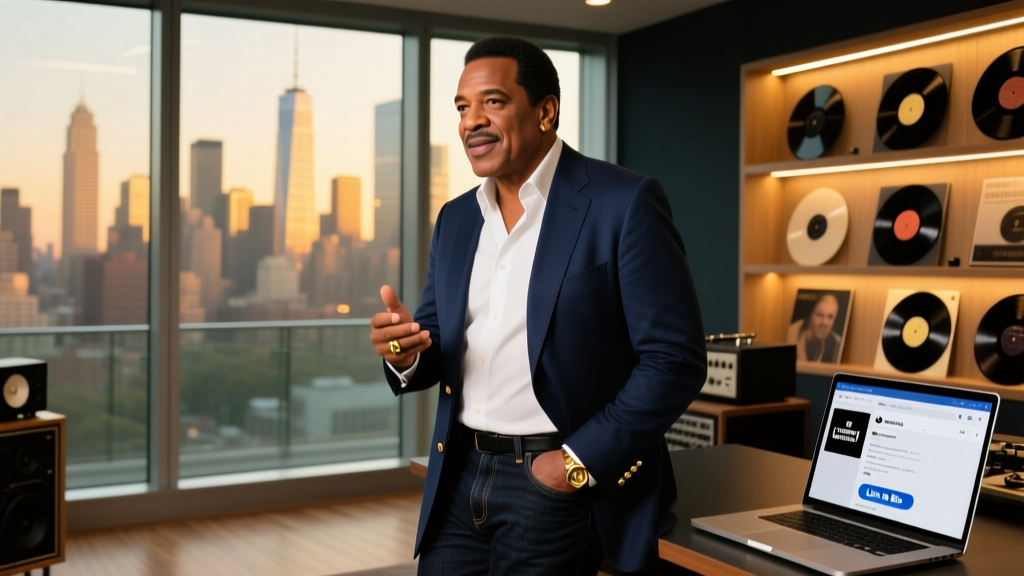
Look at any photo of Mottola from the last thirty years, and you will see a variation of the same uniform: a perfectly tailored dark suit, often without a tie, unbuttoned at the collar. It bridges the gap between Wall Street boardroom and Hollywood studio. Establishing a subtle but consistent visual signature helps people instantly recognize you and associates you with a specific level of professionalism.
Sources & Further Reading
To dive deeper into the business strategies and branding of music executives, we recommend the following verified sources:
- Hitmaker: The Man and His Music - Tommy Mottola's official memoir (Grand Central Publishing), detailing his rise from the Bronx to the head of Sony Music.
- Billboard's Latin Music Coverage - Extensive archives on billboard.com detailing Mottola's receipt of the Latin Grammy Person of the Year award and his impact on the global Latin market.
- Rolling Stone Industry Profiles - Historical interviews and profiles on rollingstone.com covering the 1990s Sony Music era and the mechanics of the Latin Explosion.
Ultimately, Tommy Mottola's brand is a testament to the fact that true influence doesn't require chasing algorithms. It requires building a legacy, protecting your creative vision, and presenting yourself with unwavering, quiet confidence.