When discussing the architecture of celebrity personal branding, few case studies are as fascinating as the manufactured heartthrob era of classic Hollywood. Troy Donahue, born Merle Johnson Jr., represents the absolute pinnacle of the studio-engineered teen idol. Long before Instagram influencers meticulously curated their grids or TikTok stars built parasocial relationships through daily vlogs, Donahue was the undisputed blueprint for the blonde, boy-next-door romantic lead. But how does a legacy brand built in the early 1960s translate to the modern digital landscape? In this comparison and alternatives analysis, we explore the Troy Donahue brand, how his digital legacy is maintained by fans today, and how his studio-crafted persona compares to modern celebrity alternatives. By examining his visual identity and fan-curated social media presence, we can extract timeless personal branding takeaways for your own profiles.
Quick Facts: Troy Donahue at a Glance
| Full Name | Merle Johnson Jr. (Professionally: Troy Donahue) |
|---|---|
| Born | January 27, 1936 (New York City) |
| Died | September 2, 2001 (Santa Monica, California) |
| Nationality | American |
| Known For | Teen Idol, Romantic Lead, 'Surfside 6', 'Parrish' |
| Social Media | Fan-curated archives, Vintage aesthetic pages, Estate tributes |
The Original Blueprint: Troy Donahue's Studio-Crafted Image
To understand the Troy Donahue brand, you have to look at the machinery of 1960s Warner Bros. and the infamous Hollywood talent agent Henry Willson. Willson, who also renamed Rock Hudson and Tab Hunter, saw potential in a young New Yorker named Merle Johnson Jr. and rebranded him as Troy Donahue. This was personal branding in its most aggressive, top-down form. The studio dictated his hair color, his wardrobe (favoring thick knit sweaters and casual surf attire), and his public persona as the wholesome, all-American romantic lead.
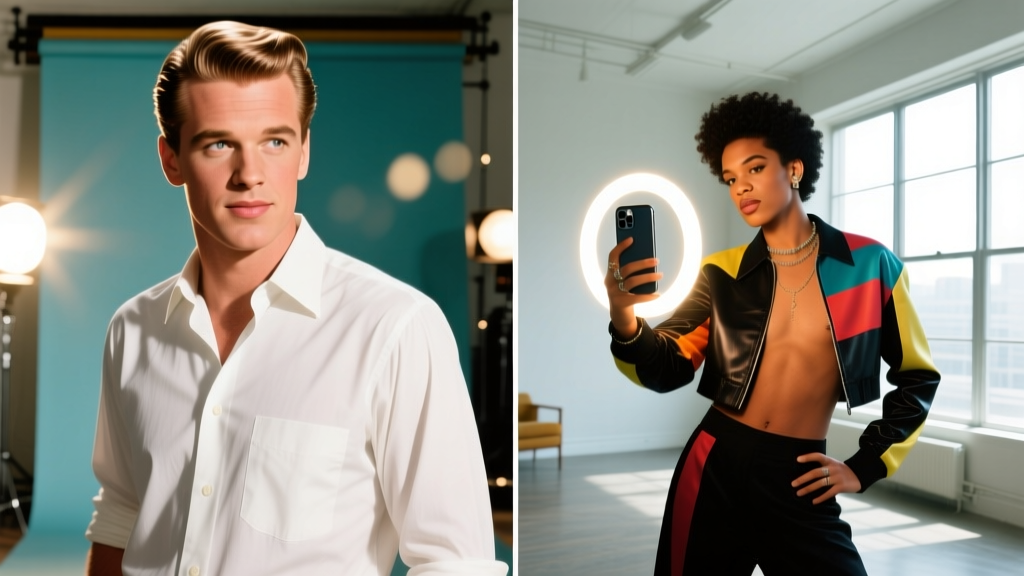
Unlike modern celebrities who often share their messy, unfiltered lives to build authenticity, Donahue's brand was built on mystique and idealized perfection. His promotional photos were heavily controlled, ensuring he was always captured in flattering, sun-drenched lighting that emphasized his blonde hair and striking blue eyes. This visual consistency made him instantly recognizable, turning him into a merchandise-moving powerhouse and a staple on the covers of teen fan magazines.
Digital Legacy: Social Media Presence and Fan Curation
Because Troy Donahue passed away in 2001, long before the advent of Instagram or TikTok, he does not have an official, active personal social media presence. Instead, his digital footprint is a masterclass in posthumous brand management and community curation. Today, his 'social media presence' is entirely driven by fan accounts, classic Hollywood archivists, and vintage aesthetic pages.
On Instagram, fan pages dedicated to 1960s cinema frequently use Donahue as the anchor for 'vintage heartthrob' mood boards. These accounts apply modern color-grading techniques to his classic Warner Bros. stills, pairing them with nostalgic audio tracks on TikTok and Instagram Reels. This fan-led curation has introduced Donahue to Gen Z audiences who appreciate the 'old money' and 'vintage prep' aesthetics. The engagement on these posts is remarkably high, proving that a well-defined visual brand can outlive its creator and be continuously repurposed by a dedicated community.
Comparison: Troy Donahue vs. Modern Teen Idol Alternatives
How does the classic Donahue blueprint compare to modern alternatives? Let us look at two distinct modern equivalents: the Disney/Warner Bros. manufactured star (e.g., Zac Efron in the 2000s) and the organic digital native (e.g., Shawn Mendes or modern TikTok actors).
The Manufactured Successor: Zac Efron
Efron's early career mirrors the Troy Donahue trajectory. Both were heavily managed by studios, placed in romantic beach-adjacent roles (A Summer Place vs. High School Musical), and marketed to a screaming teenage demographic. However, where Donahue was trapped by his studio-mandated wholesome image, modern stars like Efron have the social media tools to pivot. Efron used Instagram and YouTube to deconstruct his teen idol brand, pivoting to fitness and travel, something Donahue's era would never have permitted.
The Digital Native Alternative: Direct-to-Fan Authenticity
Modern alternatives to the studio heartthrob rely on perceived authenticity. Where Donahue's brand was built on distance and unattainable glamour, today's stars build brands on accessibility. They use Instagram Stories to show breakouts, bad hair days, and unscripted thoughts. The lesson here is a shift in consumer psychology: 1960s audiences wanted an idealized fantasy, while modern audiences demand relatable authenticity. If you are building a personal brand today, you must decide which side of the spectrum you fall on. Are you selling an aspirational aesthetic, or a relatable reality?
Classic Filmography: The Roles That Built the Brand
A personal brand is only as strong as the portfolio supporting it. Donahue's filmography was carefully selected to reinforce his specific market positioning:
- A Summer Place (1959): Though a supporting role, his appearance in this massive hit cemented his association with youthful, coastal romance.
- Surfside 6 (1960-1962): This television series was crucial. Playing Sandy Winfield II, Donahue brought the heartthrob brand directly into living rooms weekly, creating habitual audience engagement.
- Parrish (1961): His first major leading role, proving he could carry a feature film and solidifying his status as a bankable romantic lead.
- Rome Adventure (1962): Paired with Suzanne Pleshette, this film expanded his brand from the American coastline to European romance, elevating his sophisticated appeal.
Personal Branding Takeaways for Your Own Profile
What can a modern professional or creator learn from a 1960s studio-manufactured star? Here are actionable takeaways for your Instagram bio and personal branding strategy:
1. The Power of a Signature Name
Merle Johnson Jr. was an ordinary name; Troy Donahue was a brand. Your name or handle is your first impression. If your given name is difficult to spell or remember, consider a professional moniker or a streamlined handle. Your bio should clearly state who you are, but your brand name should be memorable, searchable, and evocative of your niche.
2. Relentless Visual Consistency
Warner Bros. ensured Donahue's visual identity never wavered. When crafting your Instagram grid or LinkedIn banner, establish a strict visual palette. Whether it is a specific color grade, a recurring wardrobe element, or a distinct typography style, visual consistency builds immediate recognition. When users scroll past your content, they should know it is yours before they even read your handle.
3. Let Your Community Amplify Your Brand
The survival of Donahue's legacy relies on fans curating his image. Modern branding is not just about what you post; it is about what your audience shares. Create highly shareable, aesthetic, or valuable content that your followers will want to repost to their own Stories. Design your brand assets so that they look good when curated by others.
4. Niche Positioning is Powerful
Donahue was not trying to be a gritty method actor; he was positioned squarely as the romantic lead. Do not dilute your bio by trying to be everything to everyone. Clearly define your specific lane—whether you are a tech educator, a minimalist designer, or a comedy creator—and optimize every line of your bio to reinforce that specific positioning.