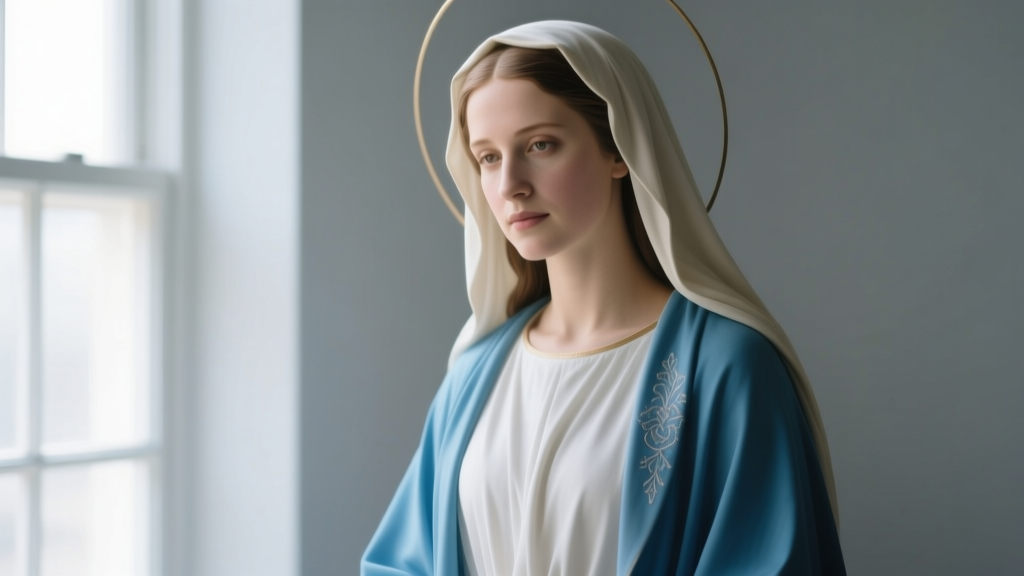
When analyzing the most enduring and universally recognized personal brands in human history, the Virgin Mary stands in a category entirely her own. Long before the concept of social media influencers, modern celebrity culture, or curated Instagram aesthetics, Mary of Nazareth established a visual and cultural identity that has transcended borders, languages, and millennia. For personal branding enthusiasts, digital marketers, and content creators, studying her iconography offers a masterclass in consistent visual storytelling and audience connection. In this deep dive, we explore the FAQs and common misconceptions surrounding the Virgin Mary, analyze her modern social media presence through digital proxies, and extract actionable branding takeaways you can apply to your own Instagram bio and profile aesthetics.
Quick Facts: The Historical and Cultural Icon
| Attribute | Details |
|---|---|
| Full Name | Mary of Nazareth (Miriam) |
| Era / Born | c. 18 BC, 1st-century Judea / Galilee |
| Known For | Central figure in Christianity & Islam, ultimate symbol of maternal devotion, most depicted woman in global art history. |
| Signature Brand Colors | Ultramarine Blue, White, Gold |
| Digital Proxies (Social) | @vaticannews, @franciscus, global diocesan pages, digital rosary apps. |
FAQ & Common Misconceptions About the Virgin Mary
Misconception 1: She Was Always Depicted in Blue
One of the most common misconceptions in art and cultural history is that the Virgin Mary has always been associated with the color blue. In early Byzantine icons and medieval art, she was frequently depicted in deep purples, reds, or dark earth tones. The shift to blue occurred during the Renaissance due to the introduction of ultramarine pigment, which was derived from crushed lapis lazuli. According to the Metropolitan Museum of Art, ultramarine was historically more expensive than gold. By dressing Mary in this exorbitant pigment, patrons and artists were making a profound branding statement: she was the most valuable and revered figure in the visual narrative. Today, blue remains her undisputed brand color, signaling serenity, truth, and heavenly grace.
Misconception 2: Her Brand is Strictly Confined to Religion
While her origins are deeply theological, the Virgin Mary's cultural footprint extends far beyond the church. She is a pervasive archetype in secular art, high fashion, and pop music. Designers like Dolce & Gabbana and Jean Paul Gaultier have frequently utilized Marian imagery in their runway collections to evoke themes of sacred femininity and Italian heritage. In music, artists from Madonna to Beyoncé have borrowed her visual anchors—such as the halo, the veil, and the motif of the grieving or empowered mother—to elevate their own stage personas. Her brand has evolved into a universal shorthand for complex femininity, making her a cultural icon that resonates even with non-religious audiences.
FAQ: How Did Her Imagery Become So Standardized?
How did a 1st-century woman from Galilee end up with a globally recognized set of visual props? The standardization of her image was largely driven by early church councils, such as the Council of Ephesus in 431 AD, which officially declared her the Theotokos (God-bearer). Following this, artists needed a visual vocabulary to communicate her status to largely illiterate populations. Thus, specific symbols were assigned to her: the white lily for purity, the rose for mysticism, the crescent moon to denote her supremacy over earthly cycles, and the stars on her mantle to represent her celestial nature. This was essentially the world's first comprehensive brand guideline manual.
Social Media Presence: Digital Devotion & Modern Proxies
Because the Virgin Mary does not have a literal Instagram account, her social media presence is managed through a vast network of digital proxies, institutional accounts, and user-generated aesthetic pages. The Vatican's official channels, such as @vaticannews and Pope Francis's @franciscus, frequently feature high-quality, emotionally resonant imagery of Mary, particularly during the month of May (traditionally dedicated to her). These posts consistently generate some of the highest engagement rates on their feeds, driven by shares and saves from a deeply devoted global audience.
Engagement metrics on Marian content often skew heavily toward saves and shares rather than simple likes. This indicates that the content provides deep emotional utility or spiritual comfort to the user, prompting them to return to it later or send it to a friend in need. For social media strategists, this highlights the importance of creating saveable content that serves a distinct emotional or practical purpose for the follower.
Beyond institutional accounts, the Virgin Mary is a cornerstone of the Catholic Trad and Soft Living aesthetics on TikTok and Instagram. Young creators and lifestyle influencers use classical statues of Mary, soft-focus lighting, and veiling traditions to curate mood boards centered on traditional femininity, mindfulness, and slow living. Furthermore, digital devotion apps like Hallow and Click To Pray have gamified and modernized her traditional prayers, bringing her brand into the daily push-notification habits of millions of Gen Z and Millennial users. As noted by Pew Research Center, the intersection of digital media and religious practice has allowed ancient icons to maintain intense relevance in the modern attention economy.
Deconstructing the Visual Identity & Symbols
If we treat the Virgin Mary's iconography as a masterclass in visual identity, every element serves a distinct psychological purpose. Her downcast eyes and serene expression communicate humility and approachability, making her a deeply empathetic figure rather than an intimidating deity. The halo establishes immediate authority and divine status, functioning much like a modern verification badge. Her flowing mantle is often depicted as large enough to shelter others, visually reinforcing her brand promise of protection, maternal care, and intercession. For anyone building a personal brand, this level of intentionality in visual props is staggering. There is no wasted space in a classical Marian painting; every flower, color, and gesture communicates a core pillar of her identity.
Consider how modern influencers use props to signal their niche—a coffee cup for the productivity guru, a specific sneaker for the streetwear enthusiast. Mary's iconography pioneered this concept. The inclusion of a book in her lap (often seen in Annunciation scenes) signals wisdom and devotion. The crushed serpent under her foot signals triumph over adversity. These visual shortcuts allow her brand to be understood instantly across language barriers, a crucial lesson for anyone looking to build a global digital presence today.
Personal Branding Takeaways for Your Own Profile
What can modern content creators, entrepreneurs, and professionals learn from a 2,000-year-old cultural icon? Here are the top personal branding takeaways you can apply to your own Instagram bio and visual grid:
- Claim a Signature Color: Just as ultramarine blue became synonymous with Mary, choose a signature color for your profile aesthetic, website, and packaging. Consistency in color builds instant subconscious recognition in a crowded digital feed.
- Use Consistent Visual Anchors: You don't need a halo or a lily, but you do need recurring visual motifs. Whether it is a specific style of typography, a recurring prop in your Reels, or a distinct photo filter, visual anchors help your audience instantly identify your content before they even read your handle.
- Master Emotional Resonance: Mary's brand endures because it speaks to universal human experiences: grief, hope, maternal love, and peace. When crafting your Instagram bio and captions, focus on the emotional transformation you provide for your audience, rather than just listing your credentials.
- Let Your Community Co-Create: The Virgin Mary's brand was not built by a single PR team; it was amplified by millions of artists, writers, and everyday people who reinterpreted her image across different cultures and centuries. Encourage user-generated content, create templates your followers can share, and let your community become active participants in spreading your personal brand.
By studying the historical and digital footprint of the Virgin Mary, we learn that true personal branding is not about chasing fleeting trends. It is about establishing a core set of values, wrapping them in a consistent visual identity, and allowing your message to resonate deeply across different mediums and generations.