The sports broadcasting landscape has shifted dramatically from traditional television to multi-platform digital engagement. At the center of this evolution is Chris Fowler, a veteran ESPN broadcaster who has successfully bridged the gap between legacy television authority and modern social media engagement. As athlete-led media and personality-driven shows dominate the current trend report of sports entertainment, Fowler’s digital footprint offers a masterclass in maintaining journalistic integrity while building a robust personal brand.
In an era where sports media is increasingly defined by hot takes, viral moments, and creator-led platforms, understanding how legacy figures adapt to the digital ecosystem is crucial for anyone building a personal brand. This trend report analyzes how top-tier professionals leverage their profiles to maintain relevance, command audience trust, and create a distinctive online identity without sacrificing their core credibility.
The Evolution of Chris Fowler in the Digital Sports Landscape
The current landscape of sports media is defined by the 'second screen' experience. Fans no longer just watch the game; they watch the game while simultaneously scrolling through X (formerly Twitter), Instagram, and TikTok for real-time reactions, behind-the-scenes content, and alternative commentary. While newer platforms like Pat McAfee's show or Barstool Sports thrive on unfiltered, chaotic energy, legacy broadcasters must find a different lane. Fowler has carved out a niche as the 'authoritative insider.' His transition from the iconic College GameDay desk to the digital space was not about changing his personality to fit an algorithm, but rather extending his broadcast authority into the digital realm.
By treating his social media profiles as an extension of the television broadcast, Fowler provides a companion experience. He doesn't need to manufacture drama; instead, he leverages his unparalleled access to coaches, athletes, and production crews to give fans a perspective they cannot get from amateur creators. For personal branding enthusiasts, this highlights a vital trend: authenticity and unique access will always outperform manufactured viral stunts.
Quick Facts: The Voice of Saturday Night Football
| Attribute | Details |
|---|---|
| Full Name | Chris Fowler |
| Born | September 8, 1962 (Denver, Colorado) |
| Nationality | American |
| Known For | College GameDay, Saturday Night Football, US Open Tennis |
| Primary Network | ESPN (since 1986) |
| Social Handles | X: @ChrisFowler | IG: @chrisfowlerespn |
Social Media Presence: Authenticity Over Algorithms
Analyzing Fowler's social media presence reveals a strategic, disciplined approach to digital branding. Unlike influencers who post highly curated lifestyle content or rely on clickbait threads, Fowler’s profiles are strictly tied to his professional passions: college football and tennis. His bio is a textbook example of legacy branding—concise, credential-heavy, and updated to reflect his current broadcasting assignments. This ensures that any new follower immediately understands his authority and current relevance.
On X, Fowler is a master of the 'live-tweet' format. During high-stakes college football matchups or Grand Slam tennis finals, his feed becomes a curated stream of high-level analysis, statistical insights, and respectful interactions with fans and peers. He frequently quote-tweets to add context rather than controversy, a branding choice that reinforces his image as the 'adult in the room.' This is a critical trend in the current social landscape: as platforms become increasingly saturated with noise, users actively seek out verified, calm, and highly knowledgeable voices to curate their feeds.
Furthermore, Fowler uses Instagram to showcase the 'glamour' of sports broadcasting without seeming out of touch. Photos from the broadcast booth, candid moments with tennis legends, and scenic views from stadiums around the world build a parasocial relationship with his audience. He invites fans into his workspace, fostering a sense of exclusivity and appreciation for the craft of live television production.
Broadcasting Milestones & Career Highlights
To understand the weight of Fowler's personal brand, one must look at the career milestones that serve as the foundation of his digital authority. His brand is not built on a single viral moment, but on decades of consistent excellence.
- College GameDay (1990–2014): Fowler transformed from a studio host into the cultural ambassador of college football, traveling to campuses nationwide and becoming synonymous with the sport's biggest rivalries.
- Saturday Night Football (2014–Present): Transitioning to the premier play-by-play role for ESPN's top-tier college football broadcasts, cementing his status as the voice of the sport's most critical matchups.
- Grand Slam Tennis Coverage: Serving as the lead host for ESPN's US Open and Wimbledon coverage, showcasing his versatility and deep passion for a completely different sporting demographic.
- College Football Playoff & National Championships: Calling the biggest games in the sport, further solidifying his resume as a premier live-event broadcaster.
Personal Branding Takeaways for Your Own Profile
Whether you are a sports journalist, a corporate executive, or a freelance creator, the current landscape demands a cohesive digital identity. Here are the core personal branding takeaways you can extract from Fowler's social media strategy and apply to your own Instagram or X bio:
1. The 'Credential + Passion' Bio Formula
Fowler’s bios typically combine his official title (e.g., ESPN Broadcaster) with a personal passion (e.g., Tennis Fanatic, Dog Dad). This formula is highly effective. Your bio should immediately establish your professional authority while offering a humanizing hook that invites conversation. Structure your bio as: [Current Role/Title] + [Niche Expertise] + [Personal Interest].
2. Leverage the 'Second Screen' Strategy
Use your social media as a companion to your primary work. If you are hosting a webinar, launching a podcast, or leading a live event, your social feed should provide the 'behind-the-scenes' context that your main platform cannot. Pin a post or update your bio link to direct traffic to your live projects, turning passive followers into active participants.
3. Professionalism as a Unique Selling Proposition (USP)
In a digital landscape dominated by outrage and hot takes, being a measured, respectful, and deeply knowledgeable voice is a massive competitive advantage. You do not need to participate in internet drama to grow your audience. Curating a feed that focuses on high-value insights, industry analysis, and respectful networking will attract a higher-quality audience and premium brand partnerships.
4. Visual Consistency Across Platforms
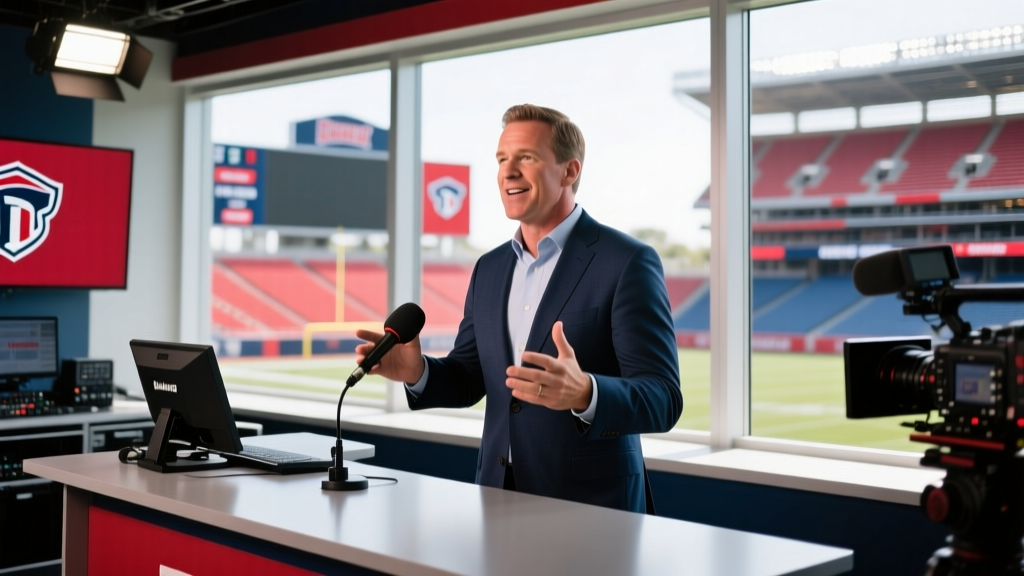
Fowler’s profile pictures across platforms almost always feature him in a professional broadcasting environment—wearing a headset, a suit, or standing on a stadium sideline. This visual consistency immediately signals 'I am at work, and I am an expert.' Audit your own profile pictures: do they visually communicate the industry and level of professionalism you want to be associated with?
Sources and Further Reading
- ESPN Press Room: Official biographies and career milestone archives detailing Fowler's transition from GameDay to Saturday Night Football and his ongoing tennis coverage (espnpressroom.com).
- Sports Business Journal: Trend reports on the 'second screen' experience, the rise of athlete-led media, and how legacy broadcasters maintain market share in the creator economy (sportsbusinessjournal.com).
- The Athletic: Features and interviews regarding the evolution of college football broadcasting and the shifting dynamics of sports media personalities (theathletic.com).