The David Morse Origin Story: From Boston to Hollywood
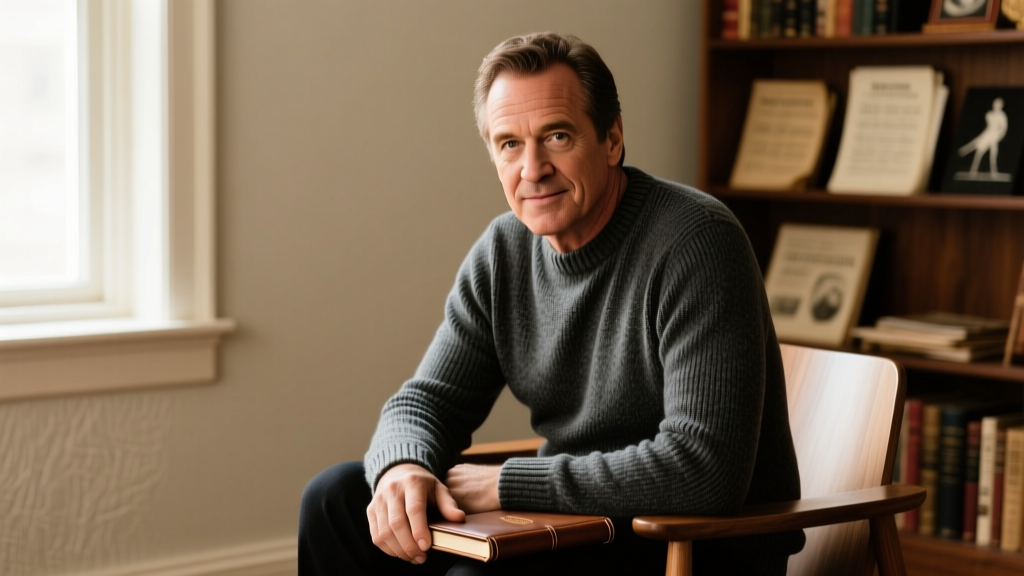
When we think of personal branding today, we often picture curated Instagram feeds, viral TikTok moments, and constant digital engagement. But for veteran Hollywood actors, the ultimate brand is built on a foundation of undeniable craft and decades of consistent work. Few embody this 'craft-first' philosophy better than David Morse. From his early days in Boston theater to becoming one of Hollywood’s most reliable and intense character actors, the David Morse origin story is a masterclass in building a legacy without chasing digital fame. His journey offers unique lessons for anyone looking to build a professional bio that commands respect.
Born David Bowditch Morse on October 11, 1953, in Hamilton, Massachusetts, his entry into the arts was not fueled by a desire for celebrity, but by a deep passion for the theatrical craft. Unlike many modern actors who move to Los Angeles immediately to chase pilot season, Morse cut his teeth in the rigorous, unglamorous world of regional theater. He was a founding member of the American Repertory Theater (A.R.T.) in Cambridge, Massachusetts. This origin story is crucial to understanding his personal brand: he was forged in an environment where the ensemble mattered more than the individual, and where memorizing lines and hitting marks was a blue-collar job rather than a glamorous lifestyle.
His transition to screen acting was catalyzed by the groundbreaking medical drama St. Elsewhere (1982–1988). Cast as Dr. Jack Morrison, Morse spent six years portraying a dedicated, often overworked physician in a crumbling urban hospital. This role established his foundational public persona: grounded, empathetic, serious, and capable of carrying heavy emotional weight. For a young actor, spending six years in a single, demanding television role instilled a work ethic that would define the next four decades of his career. He wasn't a flashy leading man; he was the bedrock of the ensemble.
Career Milestones: Building a Legacy on Screen and Stage
Following his television breakthrough, Morse strategically navigated Hollywood by taking on complex, often morally ambiguous supporting roles in major films. His filmography reads like a masterclass in character acting, proving that a strong personal brand doesn't require playing the hero—it requires being unforgettable.
- The Rock (1996): As Major Tom Baxter, Morse held his own alongside Nicolas Cage and Sean Connery, showcasing his ability to project military authority and internal conflict.
- Contact (1997): Playing Ted Arroway, the supportive father to Jodie Foster’s character, he delivered a quiet, emotionally resonant performance that grounded the film's high-concept sci-fi themes.
- The Green Mile (1999): Perhaps his most iconic film role, Morse played Brutus 'Brutal' Howell. His portrayal of a compassionate death row guard opposite Michael Clarke Duncan and Tom Hanks remains a fan favorite, cementing his reputation as an actor who brings profound humanity to intense environments.
- Tremors (2003 TV Series): Showing his versatility and willingness to embrace genre television, he took on a lead role in this cult-favorite sci-fi horror adaptation.
Crucially, Morse never abandoned his origin story in theater. He returned to his roots on Broadway, earning a Tony Award nomination for his role in The Seagull (2008) and receiving critical acclaim for How to Learn to Drive. This dual-threat capability—shutting down major film sets and commanding Broadway stages—fortified his brand as a serious, uncompromising artist.
Quick Facts: The Man Behind the Characters
| Attribute | Details |
|---|---|
| Full Name | David Bowditch Morse |
| Born | October 11, 1953 (Hamilton, Massachusetts) |
| Nationality | American |
| Known For | Character Acting, St. Elsewhere, The Green Mile, Theater |
| Digital Hub | IMDb, Internet Broadway Database (IBDB), Press Archives |
Social Media Presence: The Power of Digital Restraint
In an era where actors are often expected to be full-time influencers, David Morse’s social media presence is defined by its deliberate absence. You will not find a verified, hyper-active Instagram account filled with behind-the-scenes selfies, nor a Twitter feed engaging in daily pop-culture discourse. For lovemebio.com readers analyzing personal branding, Morse represents the 'anti-influencer' approach, which is highly effective for established professionals.
Instead of traditional social media, Morse’s digital footprint is entirely portfolio-driven. His 'bio' is effectively his IMDb page and his Internet Broadway Database profile. When fans engage with him online, they do so through secondary channels: Reddit threads analyzing his best scenes, YouTube video essays breaking down his subtle acting choices in The Green Mile, and Rotten Tomatoes reviews.
This digital restraint is not a mistake; it is a powerful branding choice. By withholding his personal life from the public feed, Morse preserves a sense of mystique. When audiences see him on screen, they see the character, not the actor who just posted a sponsored coffee ad on their Instagram story. For professionals in serious industries—be it law, medicine, academia, or the dramatic arts—Morse’s digital strategy proves that you do not need to overshare to maintain a highly respected public profile. Your digital footprint can simply be a curated archive of your best work.
Personal Branding Takeaways: Letting Your Work Speak
What can professionals, creatives, and introverts learn from the David Morse origin story and his approach to public perception? Here are three actionable personal branding takeaways you can apply to your own bio and online presence:
1. The Portfolio-First Bio Strategy
If you are uncomfortable with the performative nature of social media, pivot your bio strategy to a 'portfolio-first' model. Instead of linking to a personal Instagram, use your Instagram bio, LinkedIn headline, or personal website to link directly to your body of work. For a writer, link to your published articles; for a developer, link to your GitHub; for a designer, link to your Behance. Let the quality of your output serve as your primary introduction.
2. Mystique as a Brand Asset
Accessibility is often mistaken for likability. However, as Morse demonstrates, maintaining boundaries and keeping your private life offline can actually elevate your professional brand. It signals to clients and employers that you are focused on the work, not the fame. In your bio, you can adopt a tone that is professional, concise, and slightly enigmatic, drawing people in through your expertise rather than your personal anecdotes.
3. Consistency in Your Niche
Morse didn't try to be an action star or a romantic lead; he leaned into his strengths as a grounded, intense character actor. When crafting your social media bio, clearly define your niche and stick to it. Use keywords that accurately reflect your specific expertise. If you are a specialized data analyst, your bio shouldn't be cluttered with unrelated lifestyle content. Own your niche with the same dedication Morse brings to every supporting role.