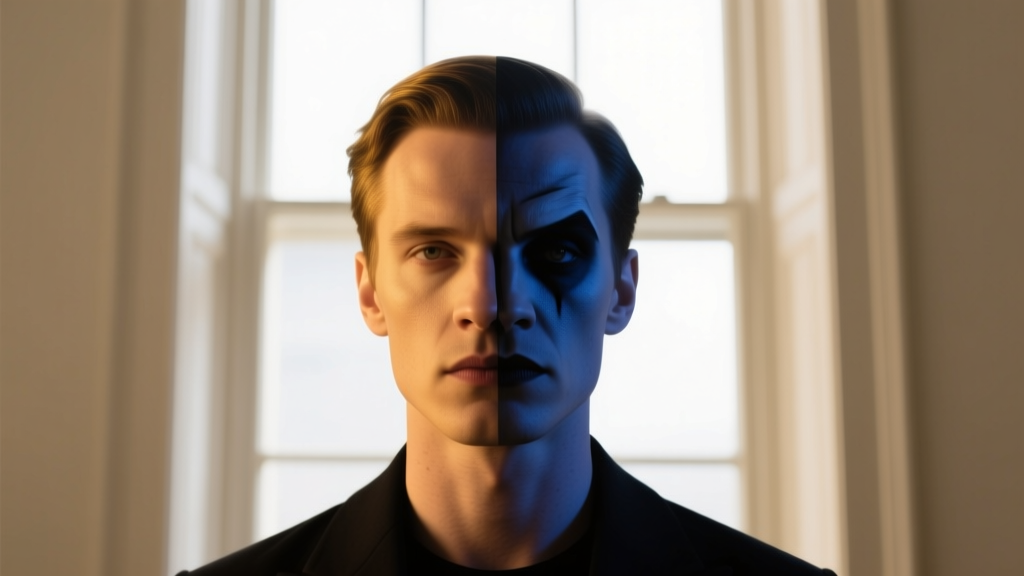
When searching for the ultimate masterclass in dark, mysterious personal branding, one name consistently haunts the internet: Edward Mordrake. Though he was never a real historical figure, the legend of the "two-faced man" has become a cornerstone of online horror culture, true crime communities, and macabre storytelling niches. Originating from an 1895 fictional newspaper hoax, the Mordrake archetype has outlived its creator, evolving into a viral phenomenon on TikTok, Reddit, and YouTube. For modern creators in the mystery and horror space, analyzing the Edward Mordrake myth offers a unique comparison between historical hoaxes and modern digital branding strategies.
By exploring the real-world medical alternatives to his myth and comparing his legacy to modern influencers, we can uncover powerful lessons for crafting a captivating digital persona. Whether you are building a niche horror page, a storytelling brand, or simply want to inject a sense of dark mystery into your own social media bio, the Mordrake phenomenon provides a fascinating blueprint for viral engagement.
| Attribute | Details |
|---|---|
| Full Name | Edward Mordrake (Fictional/Hoax) |
| Origin | 1895, The Boston Post |
| Creator | Charles Lotin Hildreth |
| Known For | The "Two-Faced Man" urban legend |
| Pop Culture | American Horror Story: Freak Show |
| Digital Footprint | TikTok horror storytelling, Reddit r/nosleep, YouTube video essays |
The Edward Mordrake Legend vs. Real Medical Alternatives
To understand the branding power of the Mordrake myth, we must first compare it to the real-world medical conditions that likely inspired it. The 1895 Boston Post article described Mordrake as a brilliant, melancholic poet with a second, demonic face on the back of his head that whispered terrible things to him at night. This narrative of the "tortured artist" is a powerful branding hook, but how does it compare to reality?
In the medical field, the closest alternatives to the Mordrake myth are Craniopagus parasiticus and Diprosopus. Craniopagus parasiticus is an extremely rare form of conjoined twinning where a parasitic twin head is attached to the dominant twin. The most famous modern case was Manar Maged, an Egyptian girl born in 2003 with a second head that could smile and blink. Unlike the demonic whispers of the Mordrake legend, these real-world cases are rooted in complex embryonic development, not supernatural curses.
Another alternative comparison is Diprosopus (craniofacial duplication), a rare disorder where parts of the face are duplicated. By comparing the romanticized, gothic tragedy of Mordrake to the stark, clinical reality of these medical conditions, we see why the myth thrives online. The Mordrake story replaces medical science with gothic horror, offering a narrative of internal duality and psychological torment that resonates deeply with modern audiences exploring themes of mental health, hidden identities, and the "shadow self."
Social Media Presence: How the Mordrake Archetype Dominates Horror Niches
While Edward Mordrake does not have his own Instagram or TikTok accounts, his "brand" is heavily leveraged by digital creators. On TikTok, the hashtag #EdwardMordrake has amassed tens of millions of views. Creators use the 1895 woodcut illustrations of Mordrake as green-screen backgrounds, narrating his tragic tale with eerie, ambient soundscapes. The visual hook of the two-faced man is inherently scroll-stopping, proving that striking, slightly unsettling imagery is a cornerstone of viral social media presence.
On Reddit, particularly in communities like r/nosleep and r/creepy, Mordrake is frequently referenced as the grandfather of the modern "creepypasta." His story established a formula that modern horror writers still use: the blending of historical documentation (citing fake medical journals) with supernatural dread. YouTube essayists also frequently analyze Mordrake, comparing his accidental inclusion in the 1896 medical text Anomalies and Curiosities of Medicine by George M. Gould and Walter L. Pyle to modern internet hoaxes and AI-generated misinformation.
The engagement on Mordrake-related content is exceptionally high because it invites audience participation. Comment sections are filled with debates about whether he was real, alternative theories about his "curse," and recommendations for similar historical mysteries. This high-engagement loop is a vital metric for any social media manager or personal brand looking to build a dedicated, interactive community.
Comparing the Mordrake Brand to Modern Horror Influencers
When analyzing personal branding in the macabre niche, comparing the Mordrake archetype to modern horror influencers reveals striking similarities. Consider the branding of Corpse Husband or anonymous YouTube narrators like Mr. Nightmare. These creators rely on the "unseen" or "cursed" aesthetic. Much like Mordrake, whose second face was a source of shame and hidden torment, modern horror influencers often hide their faces or use avatars, allowing their voice and their lore to become the primary brand identifiers.
Another alternative comparison is the branding of Snarled (the network behind The Last Podcast on the Left and various true crime/horror channels). They utilize a brand voice that balances deep historical research with dark, cynical humor. The Mordrake legend is a staple in their content ecosystem because it perfectly bridges the gap between historical curiosity and outright horror. For creators looking to build a brand in this space, the lesson is clear: audiences crave the intersection of education and entertainment (edutainment), especially when it involves the bizarre or the unexplained.
Furthermore, the FX television series American Horror Story: Freak Show adapted Mordrake into a tragic, weeping ghost played by Wes Bentley. This pop-culture iteration softened the "demon" aspect and emphasized the tragedy of isolation. Modern influencers who successfully build parasocial relationships with their audiences often employ this same "tragic flaw" narrative, presenting themselves as misunderstood outsiders to foster deep audience loyalty.
Personal Branding Takeaways: Crafting a Mysterious Bio
What can everyday users, creators, and entrepreneurs learn from a 19th-century fictional hoax? The Edward Mordrake legend offers several actionable takeaways for crafting a compelling, mysterious, and engaging social media bio and personal brand.
1. Leverage the Power of the "Tragic Flaw" or Duality
Mordrake was not just a monster; he was a brilliant poet cursed by his own biology. In your own bio, hinting at duality or a contrasting personality trait makes you instantly more interesting. Instead of a generic bio like "Marketing Guru & Coffee Lover," try introducing a compelling contrast: "Data Scientist by day, Gothic Horror Archivist by night." This duality invites curiosity and gives followers multiple facets of your personality to engage with.
2. Use Visual Motifs and Strategic Anonymity
The Mordrake myth thrives on a single, haunting woodcut illustration. On platforms like Instagram or TikTok, your profile picture and visual motifs are your digital face. If you are in a creative, niche, or storytelling space, consider using a stylized avatar, a high-contrast silhouette, or a recurring visual motif rather than a standard headshot. Strategic anonymity or stylized branding can create a sense of mystique that encourages users to click through to your content to learn more.
3. Build Lore Into Your Bio Links
The Mordrake story spread because it was presented as a documented medical anomaly. You can apply this "lore-building" to your bio links. Instead of a standard Linktree, use your link-in-bio to host an "Origin Story" page, a digital archive, or a hidden easter egg for your most dedicated followers. Creating a sense of exclusive, documented lore around your personal brand transforms casual scrollers into dedicated community members who feel like they are uncovering a secret.
4. Master the Art of the Narrative Hook
The hook of the Mordrake story is immediate: a man with a second face that whispers to him. When writing your Instagram or TikTok bio, your first line must act as a narrative hook. Use strong, evocative language that immediately establishes your niche and your unique angle. For example: "Documenting the internet's darkest forgotten histories" or "Exploring the psychology behind the world's greatest hoaxes."
Sources and Further Reading
- Smithsonian Magazine: Analysis of Charles Lotin Hildreth's 1895 Boston Post article and the origins of the Mordrake hoax.
- Gould, G. M., & Pyle, W. L. (1896): Anomalies and Curiosities of Medicine - The historical medical text that accidentally codified the fictional Mordrake story as scientific fact.
- FX Networks: Character analysis and thematic adaptation of Edward Mordrake in American Horror Story: Freak Show (Season 4).
Ultimately, the enduring legacy of Edward Mordrake proves that a compelling narrative, striking imagery, and a touch of mystery are the ultimate tools for capturing human attention. Whether you are analyzing historical hoaxes or building your own digital empire, the lessons of the two-faced man remain remarkably relevant in the modern social media landscape.