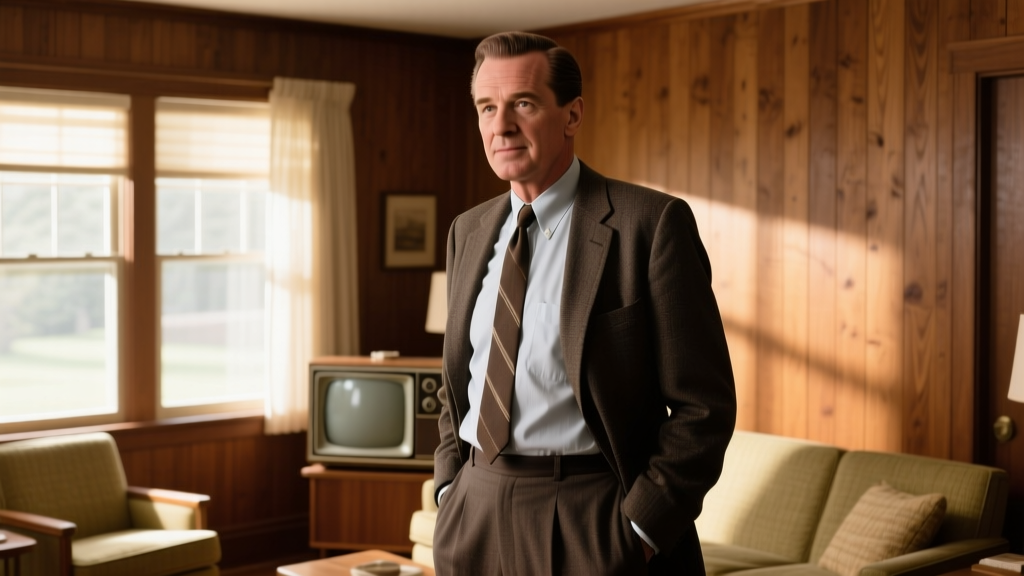
When you picture the quintessential 1950s television father, the name Hugh Beaumont immediately comes to mind. As the patriarch of the Cleaver family on the beloved sitcom Leave It to Beaver, Beaumont established a personal brand rooted in warmth, moral authority, and mid-century Americana. However, the man behind the iconic cardigan was far more complex than his television persona suggests. At lovemebio.com, we believe that understanding the full spectrum of a public figure's identity provides invaluable lessons for modern personal branding. In this deep dive, we explore the most frequently asked questions and common misconceptions about Hugh Beaumont, analyze how his digital legacy is managed today, and extract actionable bio and branding takeaways for your own social media profiles.
Quick Facts: The Man Behind Ward Cleaver
| Full Name | Eugene Hugh Beaumont |
| Born | February 16, 1909 (Lawrence, Kansas) |
| Died | May 14, 1982 (Munich, West Germany) |
| Nationality | American |
| Known For | Playing Ward Cleaver on Leave It to Beaver (1957-1963) |
| Other Professions | Methodist Minister, Christmas Tree Farmer, Film Noir Actor |
| Social Media Presence | Managed posthumously via Estate pages, MeTV, and fan-curated nostalgia hubs |
FAQ & Common Misconceptions About Hugh Beaumont
Misconception 1: He was exactly like his character, Ward Cleaver
One of the most persistent myths about classic television actors is that their off-screen personalities perfectly mirrored their on-screen roles. While Hugh Beaumont shared Ward Cleaver's strong moral compass, he was a much more multifaceted and intellectually rigorous individual. Beaumont was an ordained Methodist minister who actually considered leaving Hollywood to focus entirely on the church. Furthermore, his early life was far grittier than the pristine suburbs of Mayfield; to pay for his college education at the University of Tennessee, Beaumont worked as a carnival boxer and a wrestling barker. When crafting your own personal brand, remember that a polished public persona should be a focused pillar of your identity, not a mask that hides your diverse life experiences.
Misconception 2: He was just a one-note sitcom actor
Because Leave It to Beaver was such a monumental cultural touchstone, many assume Beaumont's career was limited to wholesome family comedies. In reality, Beaumont had a robust career in film noir and B-movies throughout the 1940s and early 1950s. He starred in gritty thrillers like The Blue Dahlia and Shoot to Kill, often playing hard-boiled detectives and complex anti-heroes. He also stepped behind the camera, directing three episodes of Leave It to Beaver and writing several scripts. This misconception highlights a vital branding lesson: do not let your most famous 'hit' define your entire portfolio. Use your bio to highlight your versatility and behind-the-scenes expertise.
Misconception 3: He remained in Hollywood for his entire life
Unlike many actors who cling to the Hollywood spotlight, Beaumont actively retreated from the entertainment industry's superficiality. After Leave It to Beaver ended its original run, he largely retired from acting. He moved to Brainerd, Minnesota, where he purchased a farm and became a successful Christmas tree farmer, exporting trees globally. He also continued his ministry and pursued graduate studies in theology at Vanderbilt University. This radical pivot from Hollywood elite to Midwestern farmer and theologian is a masterclass in authenticity. Beaumont proved that a strong personal brand does not require you to stay in one industry forever; it requires you to stay true to your core values.
The Digital Legacy: Hugh Beaumont on Social Media
Because Hugh Beaumont passed away in 1982, he does not maintain personal Instagram, TikTok, or X (formerly Twitter) accounts. However, his brand is highly active in the digital space. The digital preservation of Beaumont's legacy offers a fascinating case study in 'posthumous personal branding' and estate management. Today, his online presence is primarily curated through three distinct channels:
- Classic Television Networks: Networks like MeTV and Antenna TV heavily promote Beaumont's work. Their social media bios and posts utilize nostalgia-triggering copy, using phrases like 'Relive the golden age of TV' and pairing his image with timeless quotes about fatherhood and integrity.
- Official Estate and Fan Pages: Unofficial but highly dedicated fan pages on Instagram and Facebook maintain his digital footprint. The most successful of these pages use bios that clearly state their archival purpose, such as 'Dedicated to the legacy of Hugh Beaumont & the Cleaver Family 📺 | Nostalgia & Rare Photos.' This transparency builds trust with followers looking for authentic historical content.
- Meme and Pop Culture Hubs: Beaumont's image as Ward Cleaver is frequently used in modern internet culture to represent 'boomer wisdom' or 'wholesome parenting.' While these accounts do not represent him personally, they keep his visual brand relevant to Gen Z and Millennial audiences who may never have watched the original series.
For modern users, the takeaway from Beaumont's digital afterlife is the importance of archival consistency. When setting up a brand page, an estate account, or even a professional portfolio, your bio must clearly articulate the era, tone, and purpose of the content. Using clear identifiers (like 'Official Archive' or 'Fan-Curated Nostalgia') in your social media bio prevents audience confusion and builds a dedicated community around your niche.
Personal Branding Takeaways from a Classic TV Icon
What can a modern professional, influencer, or creative learn from a 1950s television star and Christmas tree farmer? Here are three actionable personal branding and bio takeaways inspired by Hugh Beaumont:
1. Highlight Your 'Hidden Dimensions' in Your Bio
If Beaumont had a modern Instagram bio, it shouldn't just read 'Actor on Leave It to Beaver.' It should read: 'Actor | Ordained Minister | Christmas Tree Farmer 🌲'. Modern audiences connect with multi-dimensional people. If you have a side hustle, a unique volunteer role, or an unexpected hobby, include it in your bio. It serves as an excellent conversation starter and separates you from one-dimensional competitors in your industry.
2. Anchor Your Brand in Core Values, Not Just Job Titles
Beaumont's enduring appeal wasn't just that he played a father; it was that he represented integrity, patience, and guidance. When writing your own bio, focus on the value you provide rather than just your job title. Instead of 'Marketing Manager,' try 'Helping brands tell stories with integrity and clarity.' Value-driven bios attract aligned followers and clients.
3. Embrace the Power of Visual Consistency
Ward Cleaver's visual brand—the cardigan, the pipe, the calm demeanor—was incredibly consistent, making him instantly recognizable. On your own social media profiles, ensure your profile picture, color palette, and tone of voice align seamlessly. A cohesive visual identity makes your digital presence memorable, even if your audience only scrolls past your content for a few seconds.
Sources and Further Reading
To ensure the highest level of accuracy regarding Hugh Beaumont's life and career, the following authoritative sources were consulted:
- Turner Classic Movies (TCM): Comprehensive biographical data on Beaumont's early life, film noir career, and theological studies. (tcm.com)
- IMDb (Internet Movie Database): Complete filmography and directorial credits, including his work behind the camera on Leave It to Beaver. (imdb.com/name/nm0064755)
- MeTV Network: Archival broadcasts and digital legacy management of classic television properties and star estates. (metv.com)
By looking past the myths and embracing the full, complex reality of Hugh Beaumont's life, we can all learn to craft more authentic, engaging, and multi-dimensional personal brands in our own digital lives.